





Updated on 25 October 2026
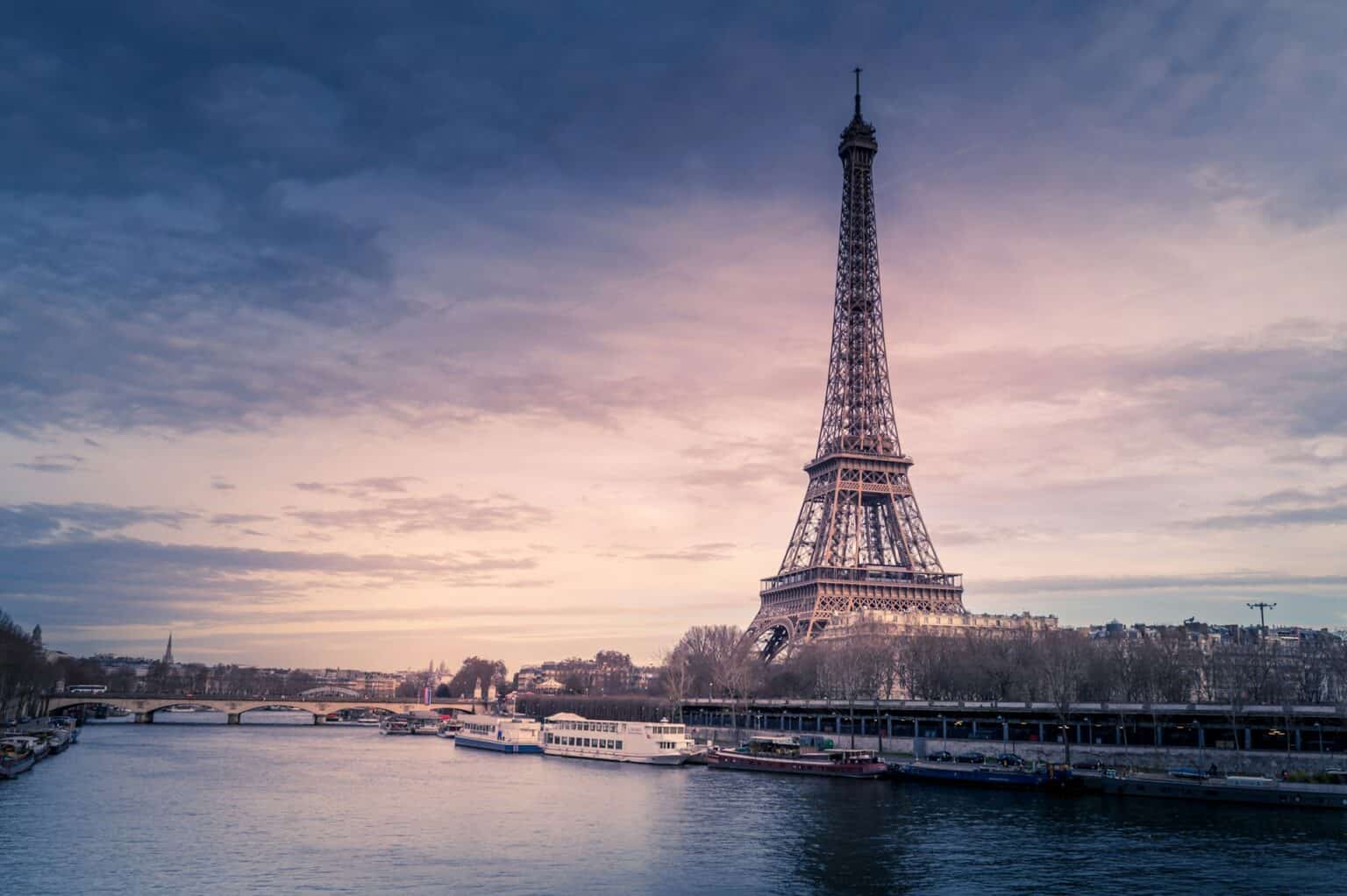
If Metro Line 6 gives you elevated Eiffel Tower views, Bus 69 delivers the street-level panorama—façades, bridges, café life, and a chain of big-name sights you can hop off to explore. It’s a regular city bus, not a tour, and that’s the appeal: you glide through real neighborhoods for about the price of a single ride.
Routes and stop names can change with works or events. Always check the live map and service notices on the day you ride.
Ticket update: paper tickets are no longer sold. Use a Navigo Easy card or a phone ticket in the official Île-de-France Mobilités or Bonjour RATP app, or tap a contactless bank card on board. Check current fares before you go.
At a glance

- Endpoints & direction: bus 69 runs between Champ de Mars (Eiffel area) and Gambetta (Mairie du 20e/Japon), crossing the city west ↔ east (and back).
- End to end: around an hour, depending on traffic.
- Frequency: regular through the day, less frequent in the evening and at weekends. Check live times in the app.
What you’ll pass near (west to east, or the reverse): Champ de Mars and the Eiffel Tower, Les Invalides, the Musée d’Orsay, a river crossing on the Pont du Carrousel straight through the Louvre courtyard, Rue de Rivoli, Châtelet and the Hôtel de Ville, Saint-Paul in the Marais, Bastille, and the Père-Lachaise / Gambetta area.
For neighborhood context before you go, skim our Paris Arrondissements Guide.
Why Bus 69 is worth a seat
- City life at eye level. You see more than monuments: bakeries mid-delivery, market streets setting up, and that unmistakable café rhythm.
- Easy hop-offs. Short 5–15 minute detours turn a bus ride into a mini-walk: a square, a bridge, a museum forecourt.
- Great orientation. In a single ride, you’ll feel the difference between the Right Bank and Left Bank without puzzling out transfers.
Prefer to stay beside the river the whole way? Bus 72 follows the Right Bank of the Seine from Concorde to Radio France. More bus ideas in our getting around guide.
Where to sit & which way to ride
Both sides have something to see, so any window seat works. Heading towards Champ de Mars, the river along the Quai Voltaire is on the right. The front seats give the widest view when they are free.
Pro tip: if a window is reflective or dusty, just change seats at the next stop—Bus 69 runs often.
Key segments with quick hop-offs

1) Champ de Mars → Les Invalides → Left Bank bridges
Start at Champ de Mars for a green-space warm-up, then roll toward the Esplanade des Invalides. If time allows, hop off and explore the courtyards or dome area—our guide helps you prioritize: Les Invalides: History, Highlights, and How to Visit.
2) Musée d’Orsay and the Left Bank
This stretch runs through the 7th past the Musée d’Orsay, then briefly along the Quai Voltaire before crossing the river. If bridges are your thing, plan a later detour to Pont Alexandre III for golden-hour photos.
3) Across the river and through the Louvre
This is the moment most people remember. The bus crosses the Seine on the Pont du Carrousel and drives straight through the arches into the Louvre courtyard, past the glass pyramid, before turning onto the Rue de Rivoli. Hop off at the Musée du Louvre stop for the pyramid and the Tuileries, or stay on past Châtelet to the Hôtel de Ville. Planning a visit inside? See our Louvre guide for tickets and time slots.
4) Hôtel de Ville / Marais area
You’re in the historic center. A 10-minute hop-off near Hôtel de Ville leads to pocket squares, galleries, and lanes in the Marais. Our Paris Arrondissements Guide can help you pick a micro-route.
5) Bastille
Once the site of the fortress that sparked the Revolution; today a busy square and transport hub. Visiting mid-July? For context, read Bastille Day: What It Is and Why It’s Celebrated.
6) Père-Lachaise / Gambetta (east end)
Finish in the leafy streets above the famed cemetery or start here when westbound buses are less crowded. If you end at Gambetta, consider a quiet local lunch before heading back.
When to ride

- Mid-morning or early afternoon usually offers a calmer pace and softer light.
- Sundays can feel leisurely; weekday rush hours slow things down but are fine if you’re not in a hurry.
- Autumn & spring are especially photogenic—here’s why fall works so well: Paris in Autumn: Why Fall is a Great Time to Visit.
Photo tips (through glass, fast & polite)
- Hold your phone close to the window at a slight angle to reduce reflections; shade the lens with your hand if needed.
- Don’t overshoot from the seat—five minutes on foot often beats five minutes through glass.
- If you’re filming, think short clips at key moments (Invalides lawns, river approaches, Bastille).
Safety & etiquette
- Keep bags zipped and in front of you, especially near doors.
- Let people exit before you board; move along the aisle to free space.
- Offer priority seats when needed; fold strollers at busy times.
- Late rides are generally fine on this line; if you’re solo, prefer busier times and well-lit stops. For a citywide sense of “where to be cautious,” see our Paris Arrondissements Guide.
Tickets: quick start

- Single ride: Bus 69 takes the Bus–Tram ticket, loaded on a Navigo Easy card or bought as a phone ticket in the official Île-de-France Mobilités or Bonjour RATP apps. The Metro–Train–RER ticket is a separate product and does not work on the bus.
- Pass options: if you will ride a lot in one day, a Navigo Jour day pass on Navigo Easy or your phone covers buses, metro and RER. A weekly Navigo pass goes on a Navigo Découverte card or a phone, not on Navigo Easy.
- Validation: Validate on boarding (tap your phone or scan your card). Keep your proof of payment until the end of the trip.
- Transfers: Bus↔bus transfers are time-limited and require re-validation; check the current window in the app.
- Tip: Buy or load before you reach a busy stop to avoid delaying boarding.
- Bank card: you can tap a contactless bank card on board for a single bus ride, with no transfers and at a slightly different price. Metro and RER gates are being switched over in stages from 2027, so for now use Navigo Easy or a phone ticket underground. Details in our metro and bus tickets guide.
A ready-to-copy mini-route (90–120 minutes with stops)
- Start: Gambetta / Père-Lachaise area (quieter boarding).
- Ride: to Bastille; hop off for a quick square loop.
- Continue: toward the center; pause near Hôtel de Ville for a Marais side street.
- Reboard: continue along the Rue de Rivoli and through the Louvre courtyard, then across the river to the Musée d’Orsay.
- Hop off: at Les Invalides (courtyards, dome views) or stay on to Champ de Mars and end under the Eiffel Tower.
- Optional bridge add-on: Walk or connect to Pont Alexandre III for golden-hour photos.
Practical notes & live info
- Service changes happen. Check the RATP line page or the official apps before you go (parades, works, diversions).
- Build buffer time. The ride is under an hour end-to-end, but you’ll likely want to hop off more than once.
Enjoyed Paris at street level? See it from the water next. An evening Seine cruise passes many of the same sights, lit up after dark.
More ways to be on the river in our guide to Seine river cruises.
Plan it with Paris For You
The Paris For You app helps you find curated routes, quizzes, and offline maps—all in 26 languages—so you can discover Paris without stress. You’ll also find themed maps such as Paris Top Insta Spots, Paris For FREE, and Paris Top 15 Must-See Places.