





Updated on 26 July 2026
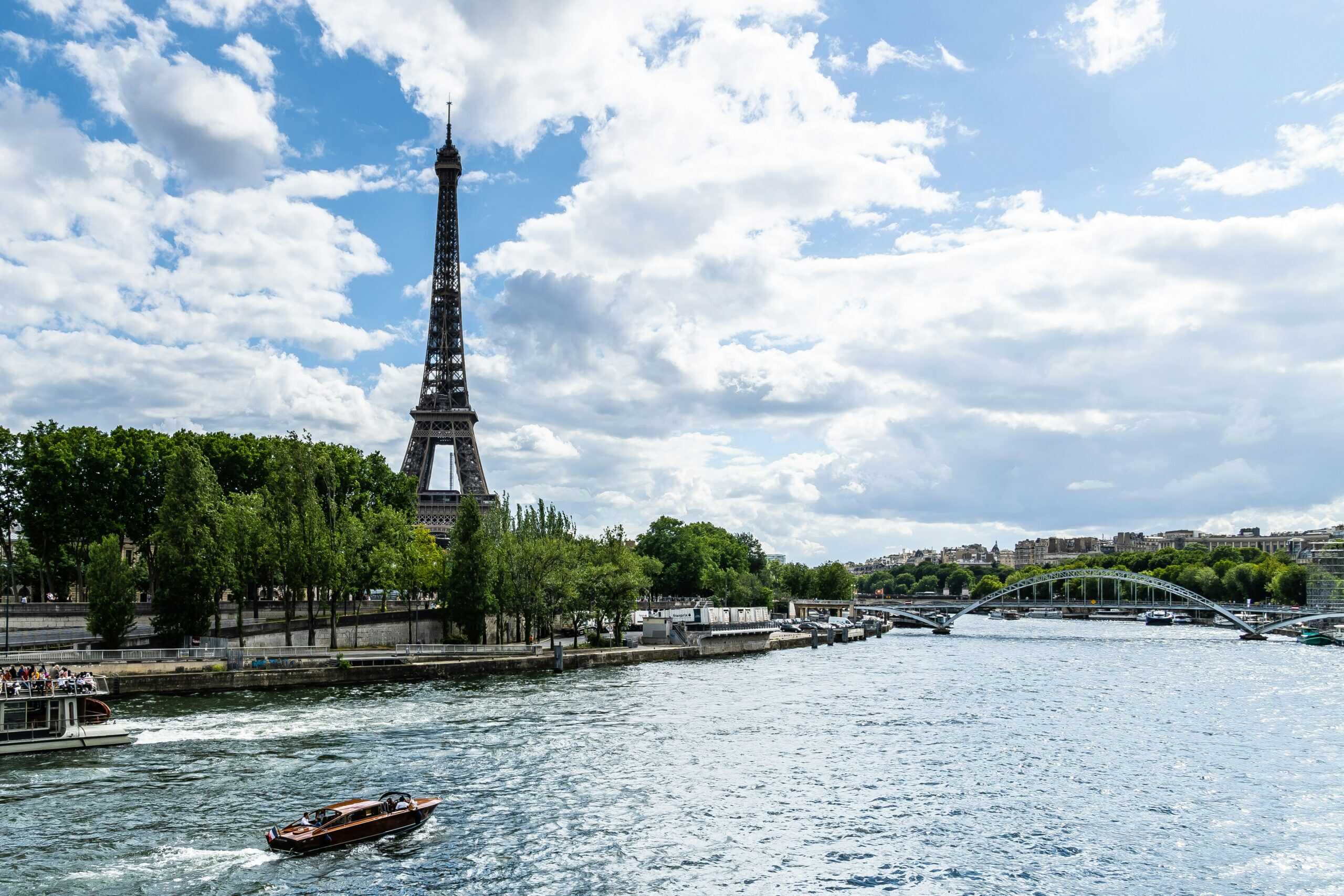
Five days in Paris is a good amount of time. Not so short that you’re sprinting between monuments, and not so long that you run out of things that genuinely matter. With five days, you can cover the main sights, spend proper time in a few neighborhoods, fit in a day trip if you want one, and still have evenings that don’t end in exhaustion.
- Quick Answers
- The Five Days at a Glance
- Day 1: The Eiffel Tower and the Left Bank
- Day 2: Île de la Cité and the Marais
- Day 3: The Louvre and Montmartre
- Day 4: Versailles or a Different Paris
- Day 5: Your Own Terms
- What to Leave Out
- Common Problems on a Five-Day Paris Trip
- Adjusting the Plan
- Five Days Is Enough to Get Paris Right
- Download the Paris For You App
The itinerary below is built to be used, not just read. It organizes the five days geographically, so you’re not crossing the city more than necessary, builds in breathing room, and is flexible enough to adjust around what actually interests you. The goal isn’t to see everything Paris has to offer. It’s to come home feeling like you spent five days in the city rather than five days moving through it.
Quick Answers
Yes — five days is a genuinely good amount of time for Paris. You can cover the major landmarks, explore a few distinct neighborhoods, and fit in a day trip to Versailles or Giverny if that’s a priority. You won’t see everything. Nobody does.
At minimum: the Eiffel Tower, Sainte-Chapelle, and the Louvre. All three have significant walk-up queues. If you’re going to Versailles, book those tickets well in advance, too. Notre-Dame entry is free, but booking a time slot saves queuing time, especially in summer.
Arrondissements 1–6 put you within walking or short Métro distance of most sights. The Marais (4th) works well for a first visit — central, walkable, and a good neighborhood to come back to in the evenings. Saint-Germain (6th–7th) is quieter and well-placed for the Left Bank sights.
If it’s a genuine priority, yes — five days gives you room for it. Versailles is a full-day commitment: the RER C from central Paris takes roughly 40–50 minutes each way, and the palace and gardens together easily fill 5–6 hours. This itinerary puts it on Day 4 as an optional swap, so you can make the call based on what the week feels like.
One major sight per morning is a practical ceiling for most people. Two large museums in a single day leaves you too tired to enjoy either. The days below are structured around that rhythm — one anchor, then a neighborhood, then an evening. Adjust freely.
The Five Days at a Glance
Times are approximate. The structure matters more than the exact schedule — and the best Paris trips always leave room for the unplanned parts.
| Day | Morning / Anchor Sight | Afternoon & Evening |
| Day 1 | Eiffel Tower + Champ de Mars | Musée d’Orsay or Invalides, dinner in Saint-Germain |
| Day 2 | Île de la Cité — Sainte-Chapelle + Notre-Dame | The Marais — Place des Vosges, Rue des Rosiers |
| Day 3 | The Louvre | Tuileries + Montmartre |
| Day 4 | Versailles (full day) or Canal Saint-Martin | Belleville or Marais in the evening |
| Day 5 | Your own terms — slow morning, one last neighborhood | Final walk along the Seine |
Day 1: The Eiffel Tower and the Left Bank
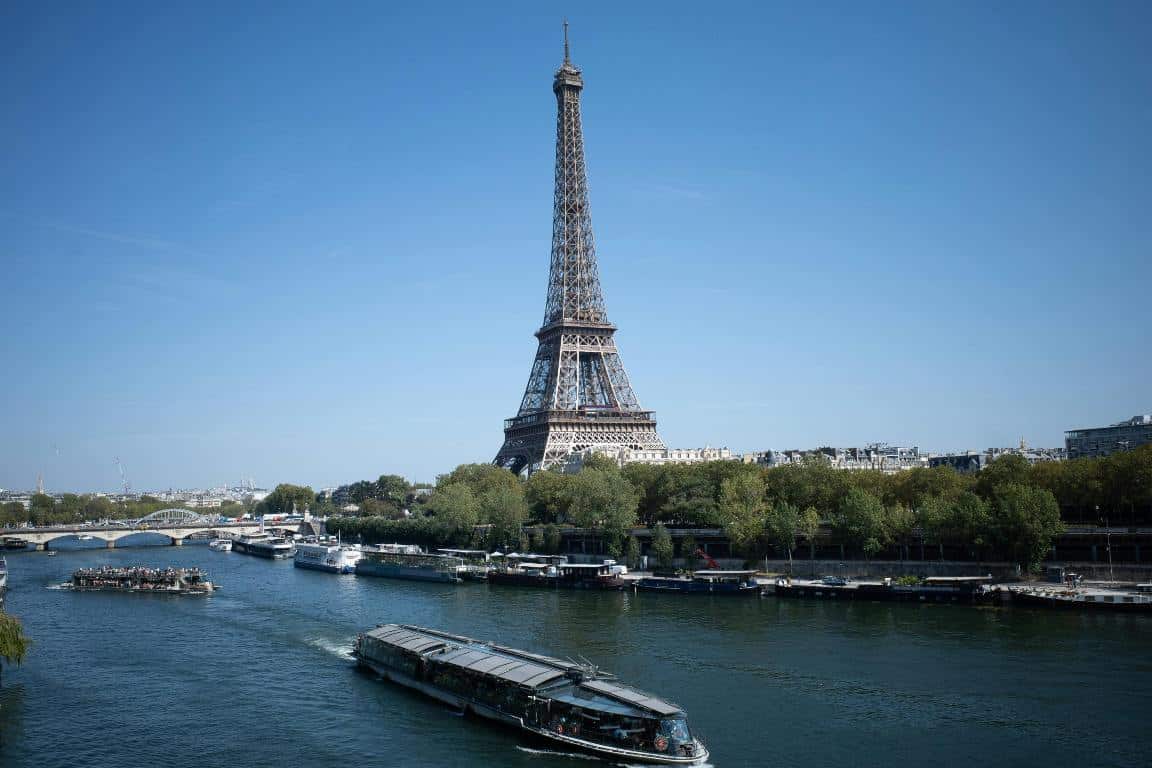
Start with the tower. It’s the right first morning — not because it’s the most interesting thing in Paris, but because getting it done early, before the crowds, sets the tone for the rest of the trip.
Eiffel Tower — morning
Book tickets online before you arrive. The tower generally opens at 9:30, with earlier slots available in peak summer — check the official website for current times when you book. Early morning is a genuinely different experience from midday: quieter, cooler, and with a quality of light that the middle of the day doesn’t have.
Decide in advance how high you want to go. The second floor gives an excellent view and shorter queues than the summit; on a clear morning, the top is worth it. Allow 1.5 hours. After the tower, walk south into the Champ de Mars, find a spot on the grass, and sit for ten minutes. It’s one of those small Paris things that turns out to matter.
Afternoon: Musée d’Orsay or Hôtel des Invalides
Both are within 15–20 minutes on foot from the tower and pull in opposite directions:
- Musée d’Orsay is the Impressionist museum — Monet, Renoir, Van Gogh, Cézanne — housed in a converted 1900 railway station that’s as worth seeing as the art. Budget 2 hours; check current prices on the official website.
- Hôtel des Invalides is French military history and Napoleon’s tomb. Better suited if art museums aren’t your priority. Budget 1.5 hours; check current prices.
Don’t try to fit both in the same afternoon.
Evening
Dinner in Saint-Germain-des-Prés. This is a good area for a classic Paris bistro dinner — handwritten menus, decent house wine, steak frites that actually taste of something. Book in advance if you have somewhere specific in mind.
Day 2: Île de la Cité and the Marais
The second day follows a natural east–west line through the oldest part of Paris — from the islands in the middle of the Seine into the Marais on the Right Bank.
Suggested schedule
| Time | Where & What |
| from 9:00 | Sainte-Chapelle — book in advance, arrive early |
| 10:15—11:15 | Notre-Dame — exterior and interior |
| 11:15—11:45 | Square Jean XXIII + Île Saint-Louis |
| 12:00—13:30 | Lunch on Île Saint-Louis or in the Marais |
| 14:00—17:30 | The Marais — Place des Vosges, Rue des Rosiers, streets |
| 19:30+ | Dinner in the Marais |
Sainte-Chapelle
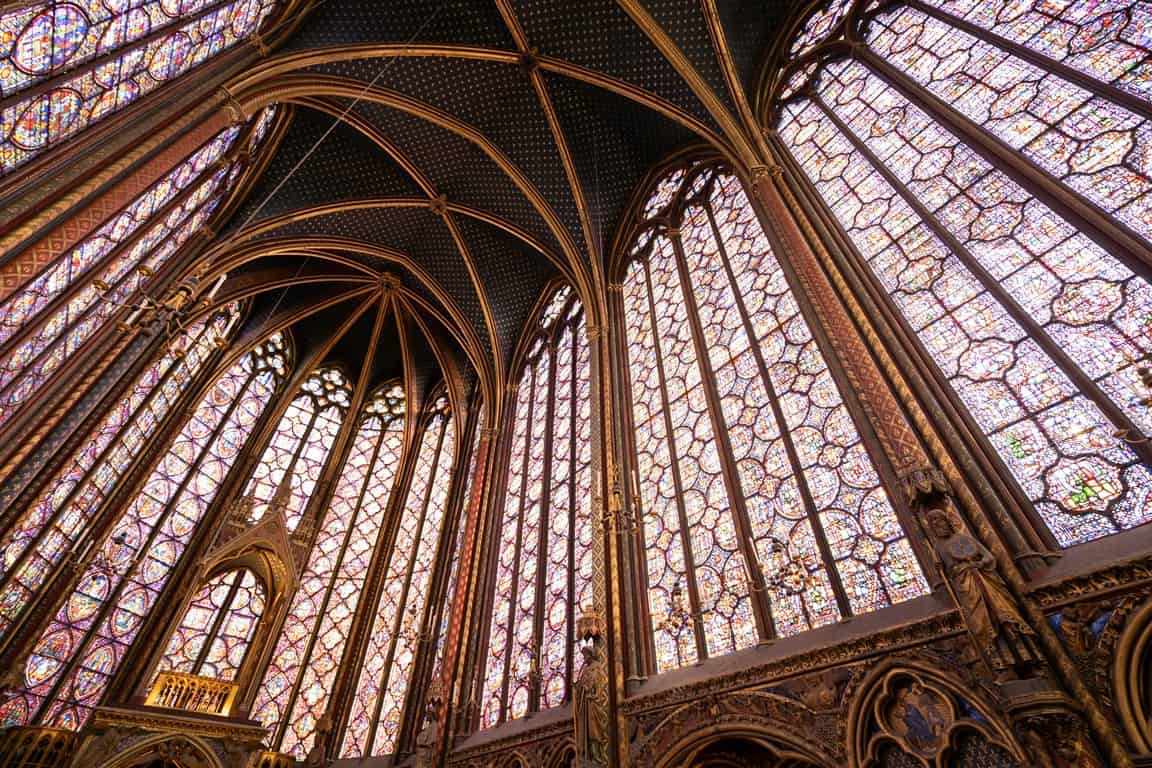
Book tickets online and arrive at opening. This small royal chapel is consistently underrated: the upper chapel is almost entirely stained glass, and when the light comes through those 15 floor-to-ceiling windows, the effect is unlike anything else in Paris. The walk-up queue is longer than it looks. Budget 45 minutes inside; note that the chapel is inside the Palais de Justice and requires security, so add a few extra minutes.
Notre-Dame
Notre-Dame has fully reopened after its restoration. Allow an hour — enough to take in both the exterior and the interior properly. The Gothic façade, the flying buttresses from Square Jean XXIII behind the cathedral, and the scale and light inside the nave all hold up. Entry is free; booking a time slot in advance saves queuing time, particularly in summer and around midday.
The Marais
Cross the river into the Marais (4th arrondissement) — one of Paris’s best-preserved medieval neighborhoods, now layered with galleries, independent shops, and some of the city’s best street food. It’s compact enough to explore without a fixed plan.
A few places worth stopping at:
- Place des Vosges — Paris’s oldest planned square. Walk the red-brick arcades, sit in the garden, have a coffee under the arches. Allow 20–30 minutes.
- Rue des Rosiers — the heart of the old Jewish quarter. L’As du Fallafel is the best-known stop here, and for good reason.
- Musée Picasso — if you want a museum stop, this one is manageable in 1.5 hours and has a collection that rewards attention without overwhelming it. Check current prices and hours.
The streets between these points are worth an hour of wandering. The Marais has a particular energy — medieval bones, modern energy — that most tourist areas in Paris don’t.
Day 3: The Louvre and Montmartre
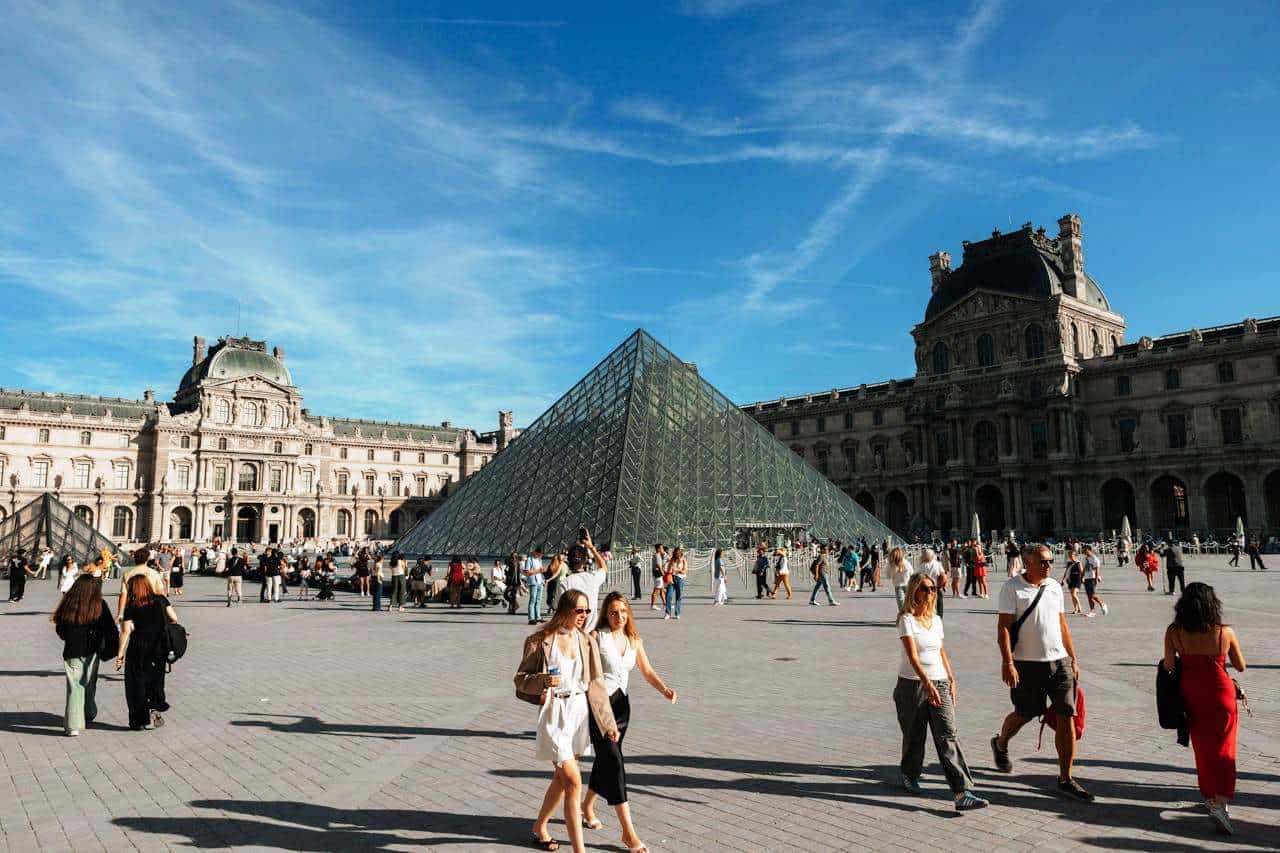
These two sit at opposite ends of the Paris experience: the world’s largest art museum, then a hilltop village neighborhood that feels like it operates at a completely different pace. The contrast is part of the point.
The Louvre — morning
Book tickets in advance and arrive at opening (9:00 on most days — check current hours on the official website). The Louvre is the world’s largest art museum, and there is no version of seeing all of it in one visit. Before you arrive, pick two or three areas and stick to them:
- Egyptian antiquities (lower ground floor, Sully wing)
- Greek and Roman sculpture
- The Mona Lisa and French paintings (Denon wing, first floor)
Spend 2–3 hours and leave while you still feel good about it. The Louvre is physically exhausting if you push past your limit. Walking out into the Tuileries Garden afterward is one of those quiet Paris moments — a long, formal park that feels like relief after all that marble.
Afternoon: Tuileries and Montmartre
Take your time in the Tuileries before lunch. The garden connects the Louvre to Place de la Concorde and has cafés inside if you want to eat without going far. After lunch, take the Métro north (lines 2 or 12) to Montmartre.
Montmartre feels fundamentally different from central Paris — quieter streets, village-scale buildings, and the white dome of Sacré-Cœur at the top. The funicular from the base costs one Métro ticket if you’d rather skip the climb. Spend time on the terrace of Sacré-Cœur before going inside — the view over Paris from up here is one of the best in the city. Afterward, walk down through Place du Tertre into the quieter streets around Rue Lepic, where Montmartre starts to feel less like an attraction and more like a place where people actually live.
Dinner in Montmartre tends to be slightly less expensive than central Paris. If you’d rather head back toward Saint-Germain, that works too.
Time matters when you travel. Paris For You app brings essential Paris information together in one simple app.
Day 4: Versailles or a Different Paris
By Day 4 you’ll have a sense of what the trip has been and what you personally want from the remaining time. This day is intentionally left open to one of two very different options.
Option A: Versailles
The Palace of Versailles is about 40–50 minutes from central Paris by RER C. Book tickets well in advance and go early — the crowds build significantly through the morning. The palace, the Hall of Mirrors, and the gardens together easily fill a full day.
A few practical notes:
- The gardens are vast. Comfortable shoes matter more here than anywhere else on the trip.
- The Grand Trianon and Petit Trianon are worth visiting if you have time after the main palace — quieter and often overlooked.
- Check current prices on the official Versailles website before you book. Combination tickets covering the palace and gardens tend to offer better value.
Return to Paris for dinner. After a day at Versailles, the Marais or a quiet Saint-Germain bistro is the right antidote.
Option B: Canal Saint-Martin and Belleville
If you’d rather stay in the city, these two neighborhoods offer a completely different side of Paris from the first three days.
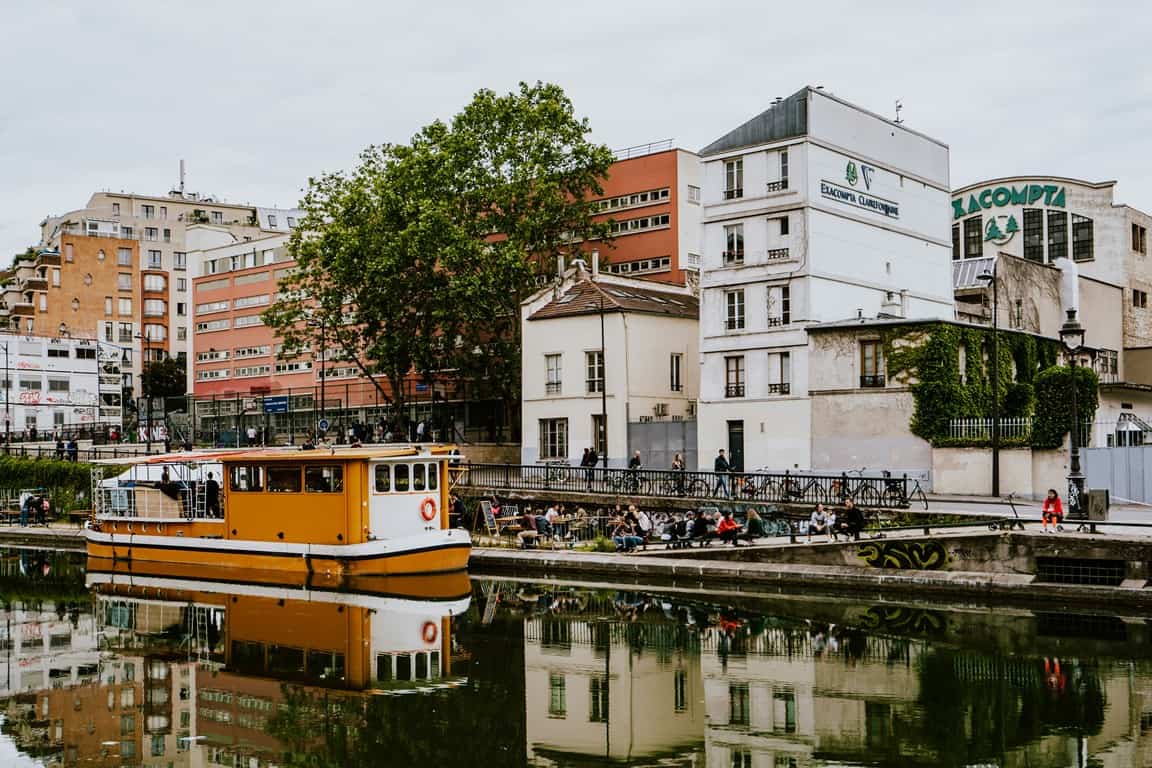
Canal Saint-Martin (10th arrondissement) is a tree-lined waterway where boats navigate working locks and locals sit along the banks on weekends. The streets around it — Rue Beaurepaire, Rue de Marseille — have some of the city’s best independent cafés and a distinctly local feel. It’s one of the best places in Paris to understand how the city operates when it’s not performing for visitors.
Belleville, further north and east, is multicultural and artsy, with street art, cheap restaurants from across the world, and a hilltop park — Parc de Belleville — with one of the better views over the city. It requires more effort to get to than central Paris but rewards it.
A Day 4 spent between these two neighborhoods, at a slower pace, often turns out to be the one people remember most.

Day 5: Your Own Terms
The last day works best with no fixed structure. You’ve seen the major sights; this is the day to fill in whatever feels unfinished or to simply enjoy the city at a different pace.
A few ways Day 5 tends to go well:
- A slow morning in a café with a croissant and nowhere to be. This sounds unremarkable. In practice it’s one of the better things you can do in Paris.
- A neighborhood you haven’t been to yet — the 11th around Oberkampf has good restaurants and a genuine local feel; the 13th has street art and the Butte-aux-Cailles quarter; Passy in the 16th is quiet, bourgeois, and completely different from the tourist center.
- The Musée de l’Orangerie, if you haven’t been — Monet’s Water Lilies in the oval rooms are best experienced unhurriedly, and Day 5 is the right time for it. It’s compact enough to visit in under two hours.
- One last walk along the Seine. Paris at a walking pace, without a specific destination, is a different city from the one you’ve been moving through all week.
If your flight or train is in the afternoon, use the morning for whichever of the above appeals and leave by noon. Paris airport and station transfers take longer than they look on a map.
Want more than just the must-sees? The full Paris For You map helps you explore Paris by category, not by chaos.
What to Leave Out
The Catacombs. Genuinely interesting, but the queue is long and the visit takes half a day. Worth it on a longer trip; better left for a return visit on a five-day itinerary that’s already full.
Two museums in one day. One major museum per day is the practical limit. Two leaves you too tired to enjoy either, and the afternoon neighborhood time is what makes the days feel complete rather than rushed.
The Champs-Élysées as a destination. Walk it once for the scale and the view toward the Arc de Triomphe. Don’t build time around it — the street is more impressive to look at than to be on.
Eating near the main sights. Restaurants within 200 meters of the Eiffel Tower, Notre-Dame, or the Louvre charge significantly more for noticeably worse food. One street away makes a consistent difference.
Common Problems on a Five-Day Paris Trip
No tickets booked in advance. The Eiffel Tower, Sainte-Chapelle, and the Louvre all have substantial walk-up queues in high season. Book all three before you arrive. It’s the most reliable way to save hours across the week.
Over-planning the itinerary. Five days feels like a lot of time until you’re in it. A day with three fixed museum visits and two restaurant bookings at specific times leaves no room for the detour that turns out to be the best part of the trip. Keep one or two slots each day genuinely open.
Underestimating distances. Paris looks compact on a map. It isn’t. The Louvre to Montmartre is a 5 km walk or a 20-minute Métro ride. Use the Métro between neighborhoods — it’s faster than walking when you’re covering distance and much cheaper than taxis in traffic.
Missing the evening. Paris in the evening — the light on the Seine, the lit bridges, the neighborhood restaurants filling up — is a significant part of the city. Don’t spend every evening in the hotel recovering from the day. Plan for dinners that last, and walk back rather than taking the Métro when you can.
Adjusting the Plan
The five days above work well as a first visit. But they’re a starting point, not a fixed route.
If art is the main priority, swap Day 1’s afternoon for the Musée d’Orsay and keep the Louvre for Day 3. Add the Centre Pompidou on Day 4 instead of Versailles — it’s modern and contemporary art, completely different in feel from the other two, and manageable in 2 hours.
If you’re traveling with children, front-load the tower and the bigger sights in the first two days when energy is highest. The Marais is good for kids — compact, with food options everywhere. Versailles works well with children who like outdoor space; the gardens are enormous and not purely a museum experience.
If this is a return visit, skip the standard landmarks entirely. The itinerary above is built for first-timers. On a second trip, the Marais, Canal Saint-Martin, Belleville, and a day at Versailles or Giverny (Monet’s garden, 80 minutes by train) make a more interesting week.
With 5 days, planning gets more complex. Use our FREE PARIS TRIP PLANNER to structure your days around what actually interests you.
If you’d rather keep your route, ticket info, and attraction details in one place instead of switching between tabs mid-trip, the Paris For You app helps you navigate with offline maps, attraction info, audio guides, and 26 language options.
Five Days Is Enough to Get Paris Right
Five days in Paris is long enough to stop rushing and short enough that every day still feels deliberate. The itinerary above gives you a framework — something to build from, adjust, and deviate from when the city offers something better than what you planned.
The monuments are worth seeing. But the best parts of a Paris trip are usually the smaller ones: a square you stumbled into, a café where the coffee was unexpectedly good, a walk along the river that went on longer than planned because there was no reason to stop. Leave room for those, and the five days will take care of themselves.
Download the Paris For You App
Keep your five days in Paris organized in one place. Offline maps, attraction info, audio guides, and 26 language options — everything you need without switching between browser tabs.
Paris For You app brings together must-see places, themed maps and practical tips in one app. Ideal for first-time visitors and for those who want to explore beyond the obvious.
Download on iPhone
Download on Android


