




Updated on 13 January 2026
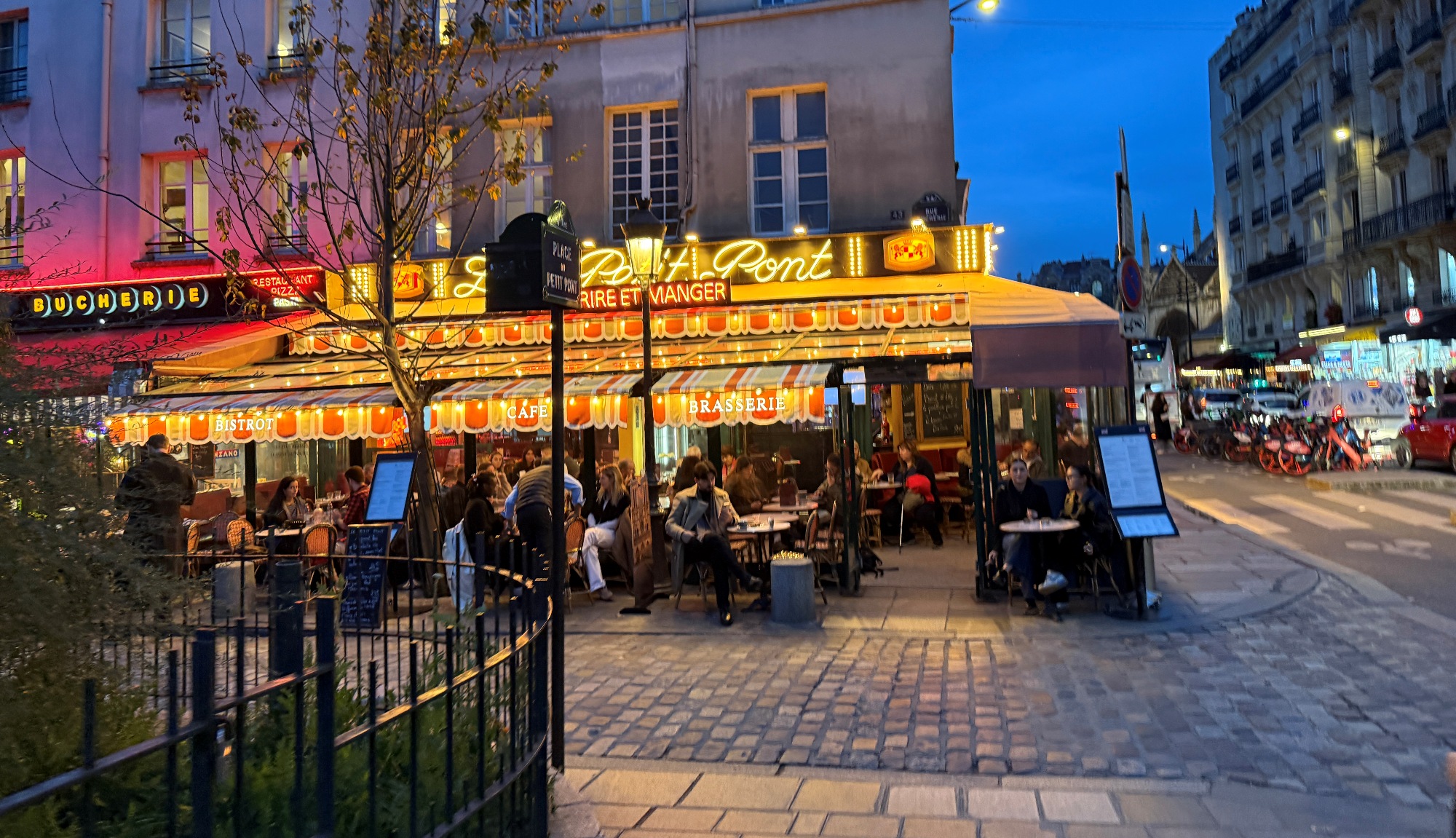
There’s something about Paris in winter that the guidebooks don’t quite capture. Maybe it’s the way the bare branches of plane trees frame the Eiffel Tower against a pearl-grey sky, or how the warm glow from café windows feels more inviting when there’s a chill in the air. While most travelers dream of springtime strolls along the Seine, those who visit Paris between November and March discover a different city entirely—one that’s somehow more intimate, more authentic, and surprisingly more accessible.
The Case for Cold Weather
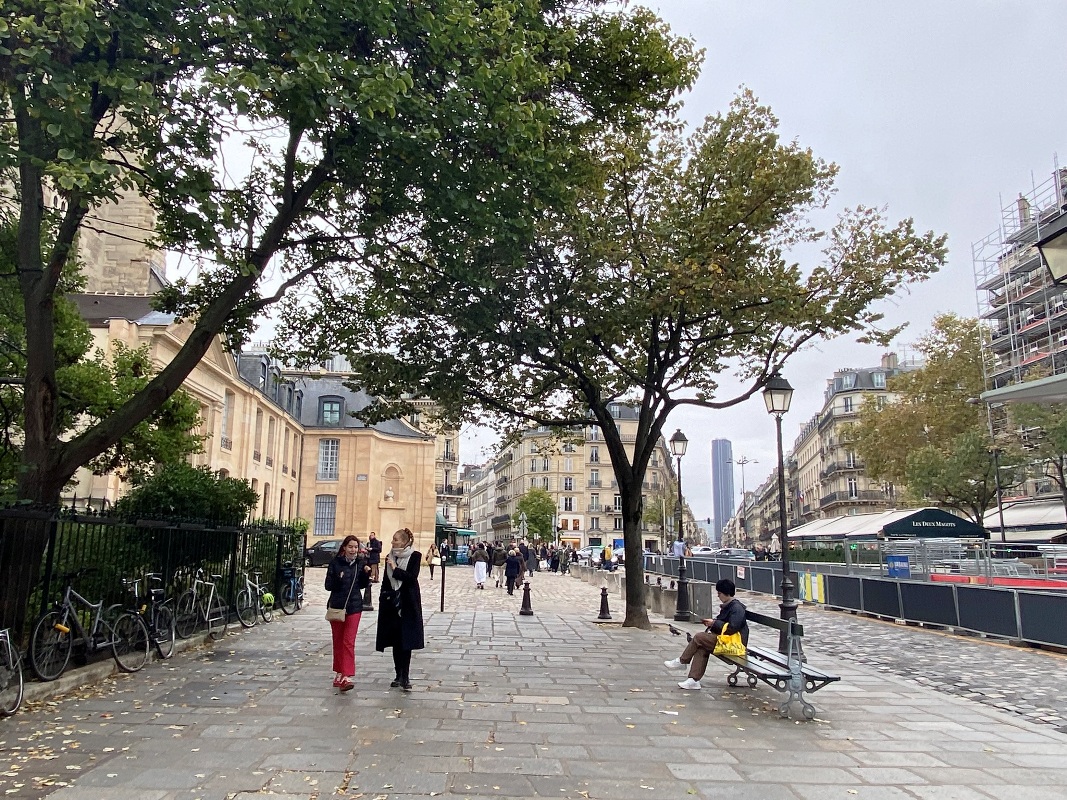
Let’s address the elephant in the room: Paris in winter is cold. Temperatures hover between 3°C and 8°C (37°F to 46°F), and yes, it rains. On rare occasions, snow does fall—and when it does, Paris transforms into something almost magical, blanketed in white for a few fleeting hours before it melts away. But here’s what the weather reports don’t tell you: winter is when Paris shakes off its tourist-season persona and returns to being a city where people actually live. The queues at the Louvre shrink from hours to minutes. You can walk into most restaurants without a reservation. And the locals? They’re noticeably more patient with visitors when they’re not navigating through shoulder-to-shoulder crowds on the Champs-Élysées.
The city’s famous monuments take on a different character in winter light. The soft, diffused sunlight that photographers call “the golden hour” seems to last all day when the sun hangs low in the sky. The Seine reflects the clouds in shades of silver and slate, and suddenly you understand why Monet was so obsessed with painting the same scene over and over.
Markets, Lights, and Festive Traditions
From late November through early January, Paris transforms into something resembling a particularly elegant snow globe. Christmas markets pop up across the city, each with its own personality. The market at La Défense sprawls beneath the Grande Arche with over 350 chalets, while the one along the Champs-Élysées offers traditional mulled wine and roasted chestnuts against the backdrop of the avenue’s famous illuminations.
But the real discovery is in the smaller neighborhood markets. The Marché de Noël at Saint-Germain-des-Prés feels like a village celebration that happens to be in the middle of a world capital. Here you’ll find artisan chocolatiers, hand-carved wooden toys, and that particular French talent for making even a simple crêpe stand look effortlessly chic.
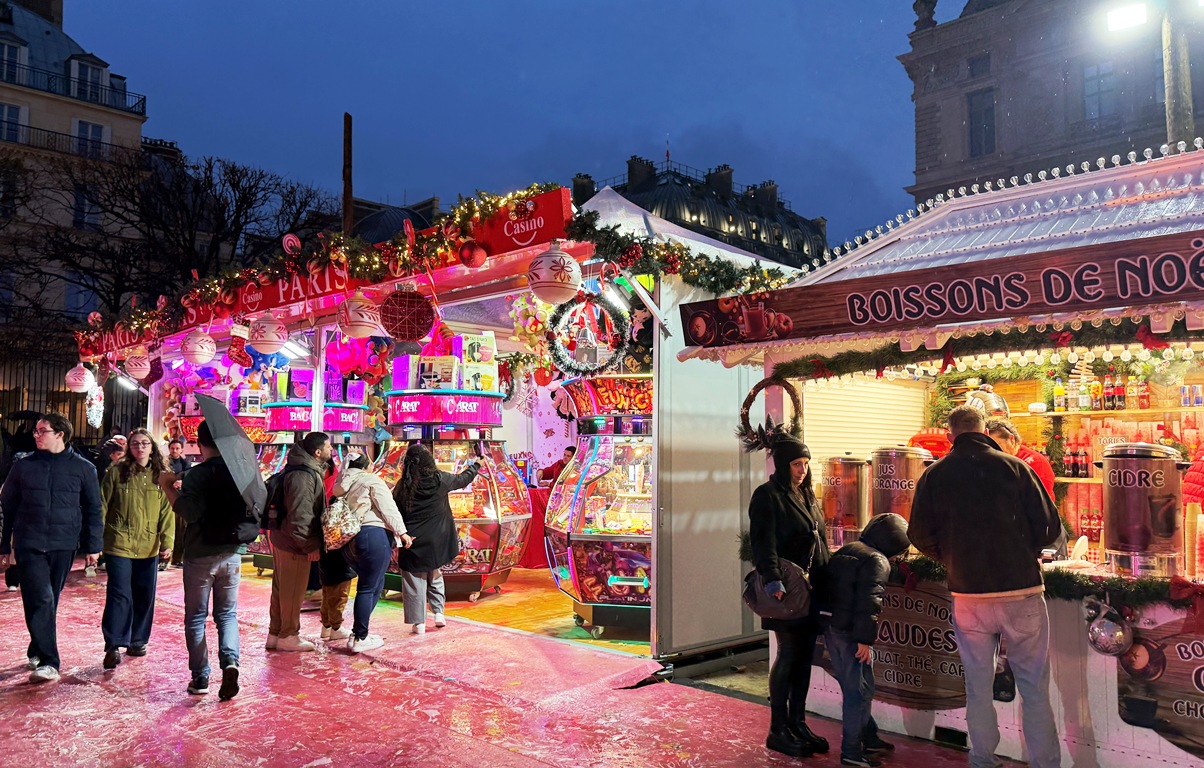
The city’s holiday lights deserve their own paragraph. While cities worldwide hang festive decorations, Paris approaches its illuminations with the seriousness of an art installation. Each year brings new designs—recent displays have included golden wings along Rue du Faubourg Saint-Honoré and cascading lights on Avenue Montaigne. The Eiffel Tower sparkles for five minutes every hour after dark, a phenomenon that never gets old no matter how many times you witness it.
Indoor Treasures
Winter weather is practically an invitation to explore Paris’s extraordinary museum collections without guilt. The Musée d’Orsay, housed in a former railway station, becomes especially appealing when rain patters against its grand glass ceiling. With smaller crowds, you can actually spend time with the Impressionist masterpieces instead of jockeying for position.
The smaller museums reveal themselves as perfect winter destinations. The Musée Rodin’s indoor galleries showcase “The Thinker” and “The Kiss” in intimate rooms that feel almost like visiting someone’s (very impressive) home. The Musée de l’Orangerie offers Monet’s panoramic Water Lilies in oval rooms designed specifically for these paintings—an immersive experience best appreciated without distraction.
If this is your first trip to Paris, Paris For You app helps you avoid confusion and overplanning. Everything you need is already on the map.
And then there are the passages couverts, Paris’s 19th-century covered shopping arcades. Galerie Vivienne and Passage des Panoramas aren’t just shelter from the weather; they’re architectural time capsules with mosaic floors, glass ceilings, and quirky boutiques. These passages were the shopping malls of their era, and wandering through them on a grey afternoon feels like stumbling into a parallel Paris.
The Art of the Winter Café
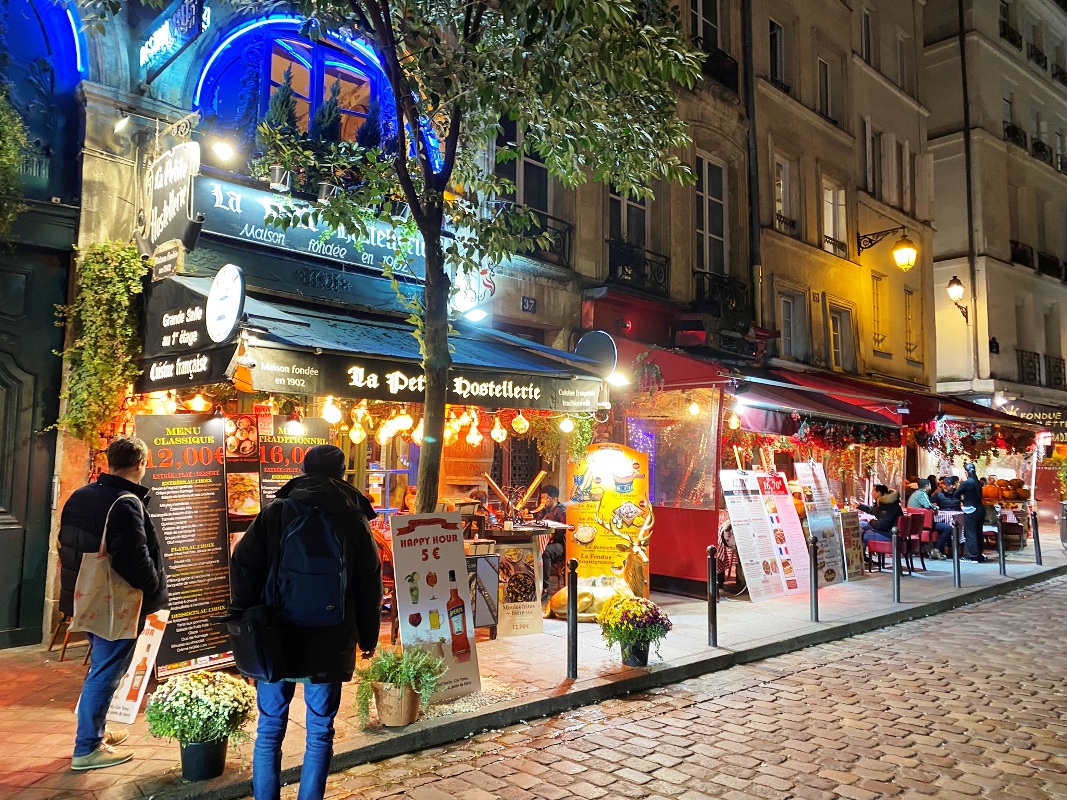
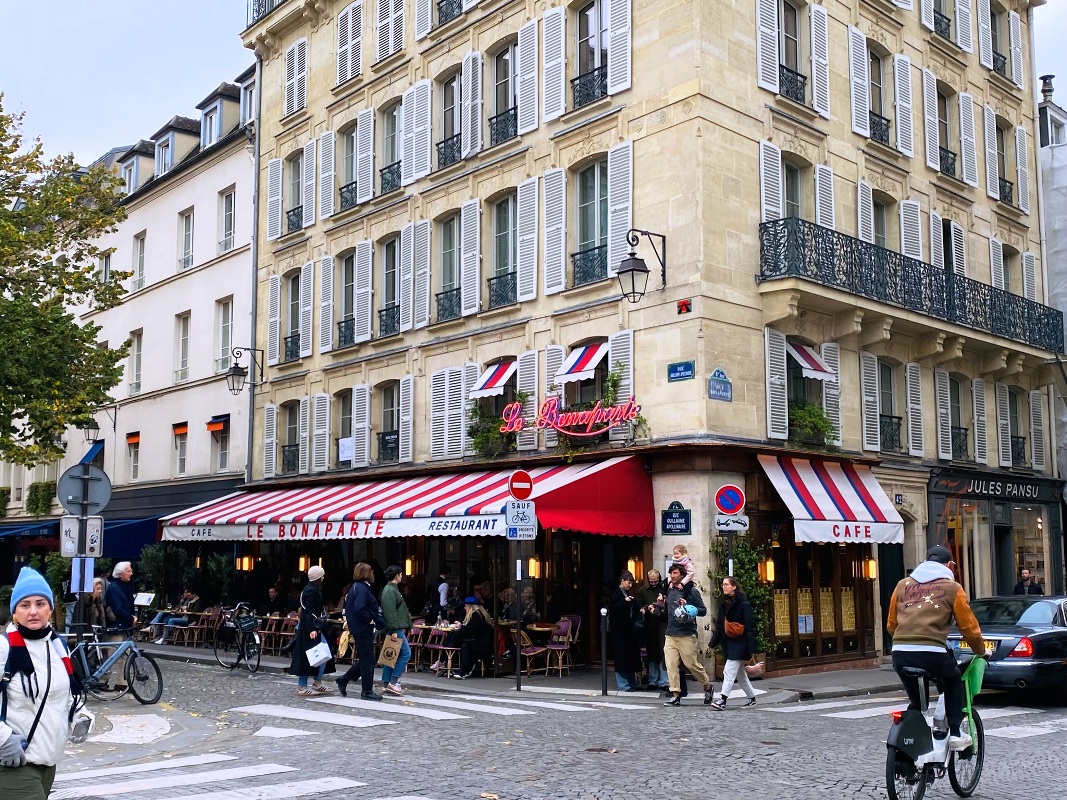
French café culture reaches its peak in winter. When it’s cold outside, the simple act of sitting with a café crème and watching the world go by becomes genuinely restorative rather than just pleasantly photogenic. Parisians have perfected the art of lingering, and winter is when you finally understand why.
The city’s traditional brasseries shine in the colder months. Places like Bouillon Chartier, with its 1896 Art Nouveau interior, serve hearty French classics—think boeuf bourguignon, blanquette de veau, and soupe à l’oignon gratinée—at surprisingly reasonable prices. These aren’t tourist traps; they’re institutions where locals come for comfort food that tastes like someone’s grandmother made it (assuming that grandmother was an excellent cook).
Hot chocolate in Paris deserves its reputation. Angelina’s famously thick chocolat chaud africain is so rich it practically requires a spoon, while Jacques Genin’s hot chocolate manages to be both intense and delicate. Even simple neighborhood cafés serve hot chocolate that makes you wonder what you’ve been drinking all these years.
Practical Advantages
Here’s the unglamorous truth that makes winter travel appealing: Paris is significantly cheaper from November through March (excluding the holidays). Hotels that charge €300 per night in June might go for €150 in February. Many museums offer free admission on the first Sunday of the month year-round, but actually being able to move through the galleries makes this deal worthwhile in winter. But did you know that many of the best free things to do in Paris are also some of the city’s most inspiring?
The Paris Museum Pass becomes genuinely useful when lines are short. You can realistically visit the Louvre, Musée d’Orsay, and Sainte-Chapelle in a single day without feeling like you’ve spent most of it queuing. Speaking of Sainte-Chapelle, those medieval stained-glass windows look spectacular on a grey day, the colors somehow more vivid against the darker sky.
Transportation is easier too. The Métro is crowded year-round, but winter means you’re less likely to be sardined into a car during your commute to Montmartre. Even the staircases at Sacré-Cœur, usually thick with tourists, become manageable.
Winter Walks Worth Taking
Cold weather actually improves certain Paris experiences. A walk through Père Lachaise Cemetery on a misty winter morning is atmospheric rather than merely interesting. The weathered stones and ivy-covered monuments feel properly gothic, and you’ll likely have Oscar Wilde’s grave to yourself.
Canal Saint-Martin, popular with locals year-round, becomes especially appealing in winter. The bare trees along the canal banks create natural frames for the iron footbridges, and the cafés lining the water offer steamed-up windows and warm refuges. This is where you see Parisians actually living their lives—walking dogs, buying bread, arguing about politics over coffee.
The Luxembourg Gardens take on a stark beauty in winter. The chairs are stacked, the fountain is still, and the formal gardens are reduced to their geometric bones—but that’s precisely the point. Without the distraction of blooms and sunbathers, you notice the proportions, the sight lines, the way the palace grounds were designed to impress.
What to Pack
A few practical notes: layering matters more than a heavy coat. Parisians don’t dress like they’re on an Arctic expedition, and you’ll be going in and out of heated buildings constantly. A good scarf does real work—both practically and aesthetically. Waterproof shoes with decent traction are non-negotiable; those charming cobblestones get slippery.
The sun sets around 5 PM in December and January, which sounds depressing but actually gives you two cities in one. Plan museums and indoor activities for afternoon, then embrace the early evening. Paris looks its best after dark anyway, and you’ll have more energy if you’re not trying to cram everything into short daylight hours.
The Real Reason to Come
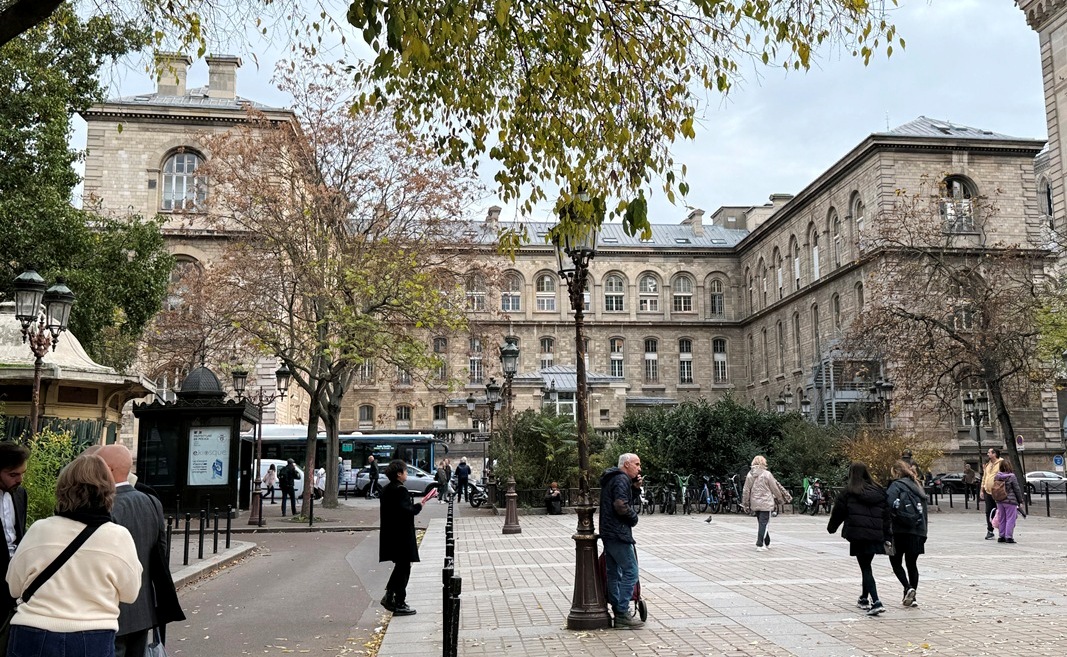
Here’s what winter in Paris really offers: the chance to visit one of the world’s most famous cities and actually see it. Not the Instagram version, not the tourist-brochure fantasy, but the real place where people catch the Métro to work, buy cheese that smells too strong at the market, and complain about the weather.
You’ll get lost in the Marais without thirty other people following the same Google Maps route. You’ll find your own favorite café, not because a blog recommended it, but because you ducked in from the rain and the waiter made you laugh. You’ll stand in front of a Van Gogh without someone’s iPad blocking your view.
The Eiffel Tower will still be there, obviously. The croissants will still be perfect. But winter strips away the performance of Paris and lets you see the city that Parisians love—moody, magnificent, and entirely itself.
Getting There
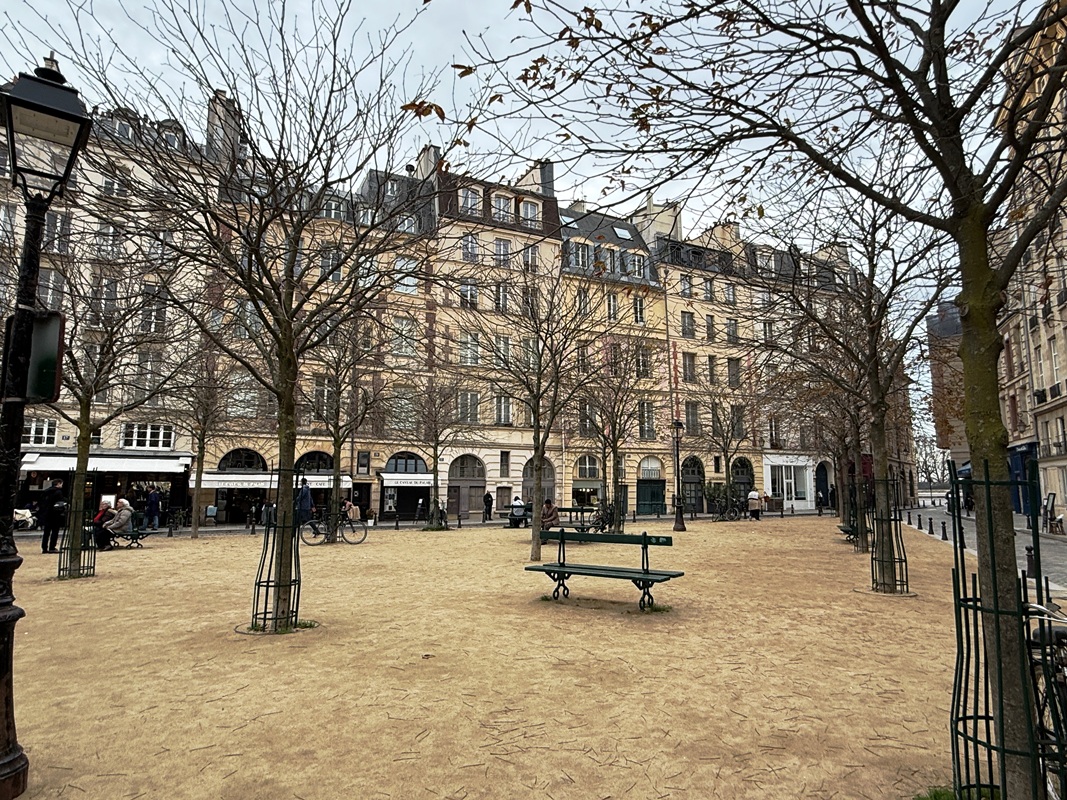
Paris is easily accessible year-round via two major airports: Charles de Gaulle (CDG) and Orly. Winter often brings lower airfares, particularly if you avoid the Christmas and New Year period. The RER B train connects Charles de Gaulle to central Paris in about 30 minutes, while Orly links via the Orlyval and RER B combination. Once in the city, getting around is straightforward with a Navigo Easy card or the Bonjour RATP app—Paris phased out paper tickets in November 2025, making digital options the only way to travel on the Métro and buses.
Winter in Paris isn’t about experiencing a different city—it’s about experiencing the real one. Pack a good coat, bring an open mind, and prepare to understand why people fall in love with Paris even when the trees are bare and the sky is grey. Sometimes, that’s exactly when it matters most.
Download the Paris For You app
Explore Paris with offline maps, themed routes, and hidden gems—all in 26 languages. Whether you’re navigating winter markets, discovering cozy cafés, or finding the best covered passages, the app helps you explore like a local.
Make your Paris trip simpler.
Download Paris For You and explore the city like a local.
Download on Android
Download on iPhone


