




Ask for Paris travel advice and someone will inevitably tell you to avoid summer. Too hot, too crowded, too expensive, too touristy. The warnings are so consistent you’d think June through August transforms Paris into some hellscape of overheated, overpriced misery.
Here’s the reality: summer in Paris is crowded and hot. It’s also when the city fully commits to outdoor living, when parks become evening gathering places, when festivals fill every weekend, when you can sit at a café until 10 PM and still have daylight, and when the energy feels more international and open than any other season. Yes, you’ll encounter tour groups. Yes, popular sites require advance planning. But you’ll also experience Paris at its most alive, most social, and arguably most fun.
Summer isn’t Paris’s “best” season—that depends entirely on what you want. But it offers experiences unavailable any other time of year, and dismissing it entirely means missing something genuinely special.
Quick Guide: Summer in Paris
June offers the best balance—pleasant weather, long days, fewer crowds than July-August, and major festivals beginning. Late June specifically combines spring-like temperatures with full summer programming.
Mid-July through mid-August typically sees the highest temperatures, with occasional heat waves pushing above 30°C (86°F). Early morning and late evening offer the most comfortable conditions.
Yes, if you can handle crowds and heat. Summer offers unique experiences (Bastille Day, Paris Plages, swimming in the Seine, outdoor festivals) unavailable other seasons, plus the longest days and most outdoor living.
Lightweight, breathable clothing in natural fabrics, comfortable walking shoes, sunglasses, sunscreen, a hat, refillable water bottle, and a light rain jacket. Most buildings lack AC, so layers that work both indoors and outdoors matter.
Visit major sites very early morning or late afternoon, book all tickets weeks in advance, explore lesser-known neighborhoods (10th, 11th, 19th, 20th arrondissements), and consider visiting in June or late August rather than peak July.
The Truth About Summer Weather
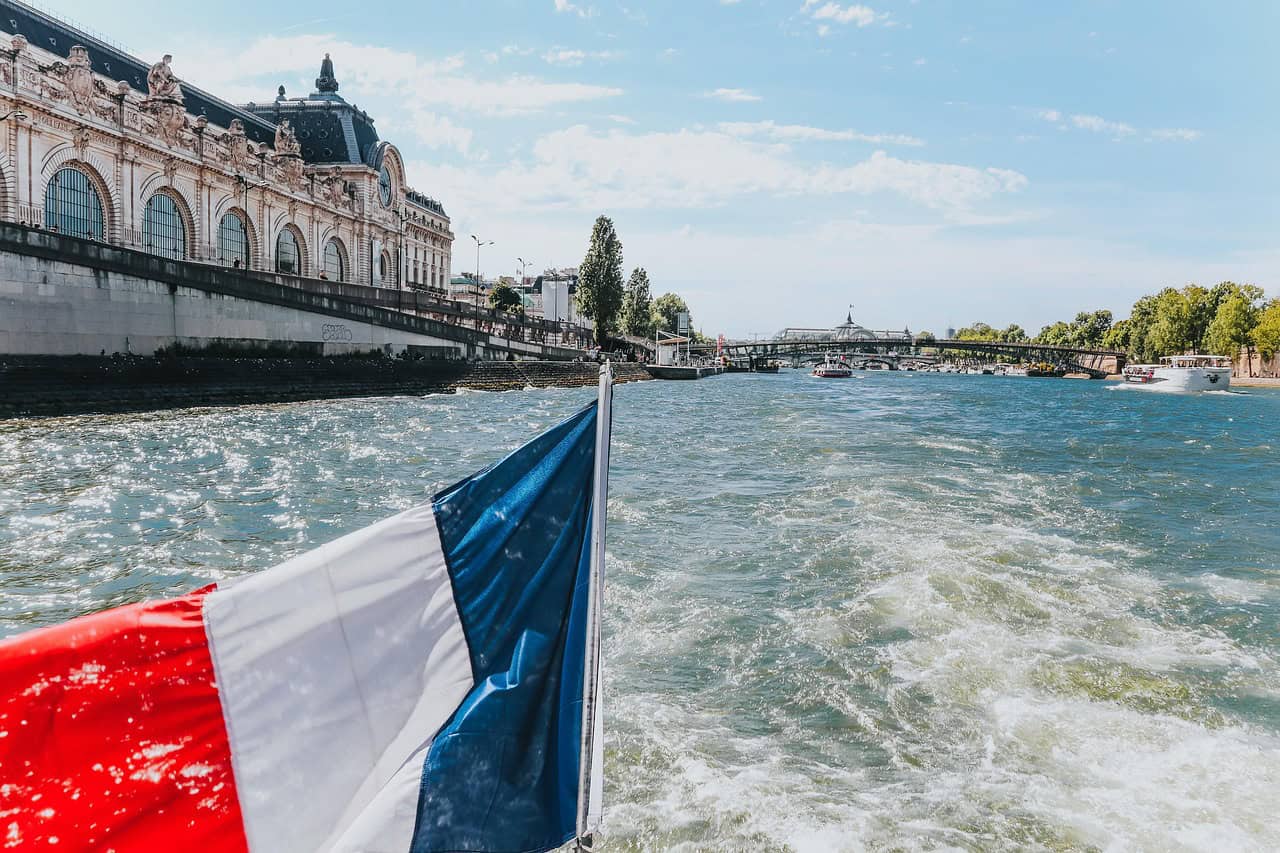
Paris in summer averages 20-25°C (68-77°F), which sounds perfectly pleasant. And often it is—warm days, occasional rain, comfortable evenings. But Paris also experiences periodic heat waves when temperatures spike above 30°C (86°F) or even 35°C (95°F), and the city struggles.
Most buildings lack air conditioning. Older Métro lines become mobile saunas. Asphalt radiates heat. Parks fill with people seeking shade. The city wasn’t designed for extreme heat, and Parisians aren’t particularly accustomed to it. When heat waves hit, the entire city slows down—shops close for afternoon breaks, people move in slow motion, and even the famously brisk Parisian pace softens.
But between heat waves, summer weather is genuinely lovely. Long days stretch until 10 PM after the late June solstice. Evenings cool down enough for comfortable outdoor dining. Rain comes in brief showers rather than day-long affairs. And when temperatures stay reasonable, Paris’s outdoor spaces become extensions of living rooms in ways winter or even spring never quite achieves.
Interestingly, August often feels less intensely hot than July despite having higher average temperatures. By August, Parisians have largely left for vacation, taking their body heat with them, and the city feels spacious and calm.
What to Pack for Summer in Paris
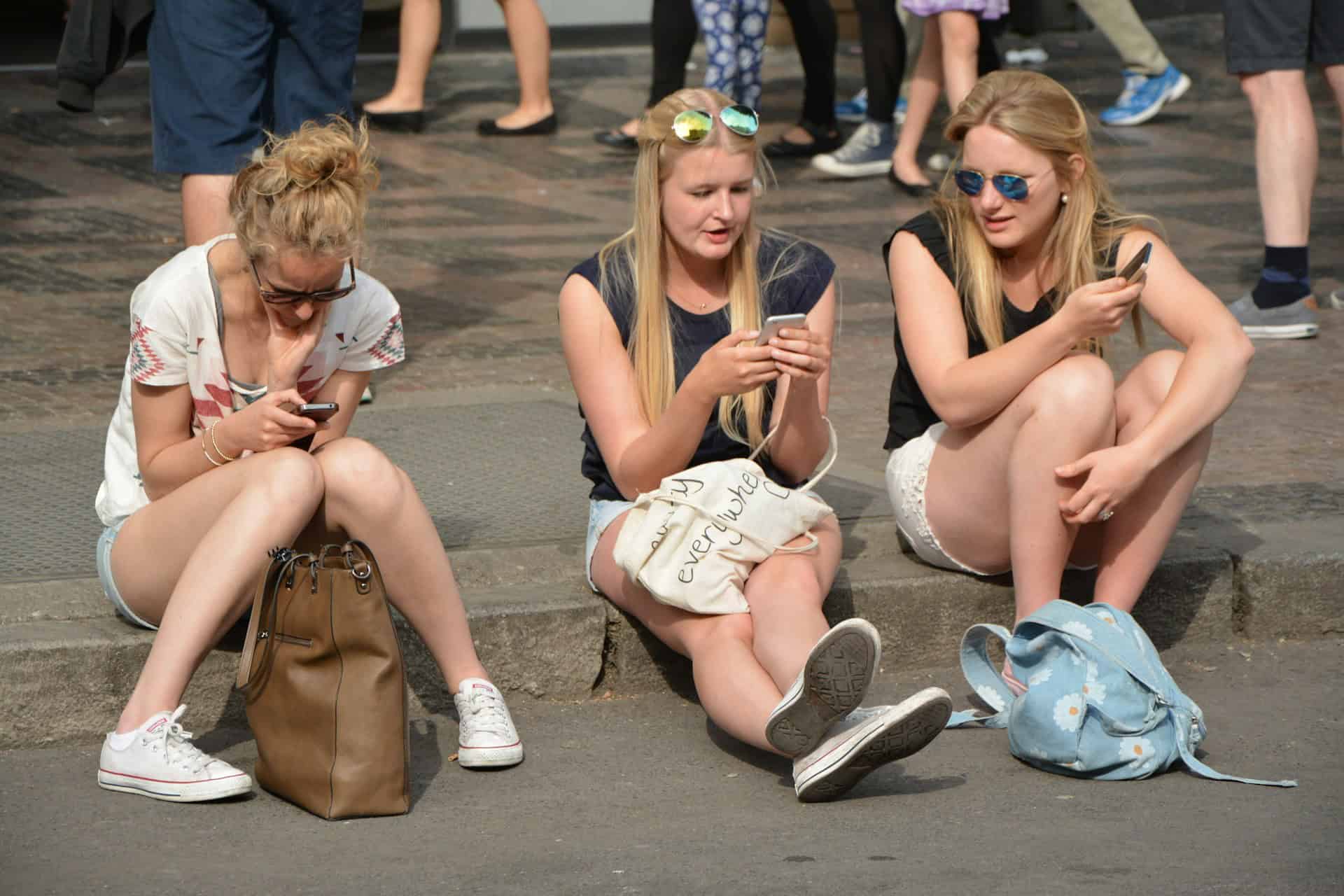
Packing for Paris summer requires thinking beyond typical warm-weather vacation clothes. Most Parisian buildings—including many hotels, restaurants, and shops—lack air conditioning. You’ll move constantly between hot streets and warm interiors, with occasional blessed relief in air-conditioned museums and department stores.
Clothing strategy: Choose lightweight, breathable fabrics like linen, cotton, and merino wool that work both indoors and outdoors. Parisians don’t dress in shorts and tank tops even in heat—think light dresses, breathable trousers, short-sleeve button-downs. Pack layers because mornings and evenings can be surprisingly cool even when midday blazes.
Essential items: Comfortable walking shoes with good support (you’ll walk miles daily), sunglasses, wide-brimmed hat or cap, high-SPF sunscreen (French pharmacies sell excellent options if you forget), and a refillable water bottle. Public fountains throughout Paris offer free drinking water—locals use them constantly during summer.
Rain preparation: Summer brings occasional thunderstorms. Pack a lightweight, packable rain jacket or small umbrella. The rain rarely lasts all day but can arrive suddenly and intensely.
Evening additions: Bring something slightly warmer for evenings—a light cardigan or jacket. Even after hot days, sitting at outdoor cafés late evening can feel cool, especially if there’s a breeze.
What to skip: Heavy jeans, dark colors that absorb heat, fancy shoes that can’t handle cobblestones and long walks, and excessive layers. Paris summer is warm enough that you won’t need much beyond lightweight basics.
Summer in Paris by the Month
June: The Sweet Spot
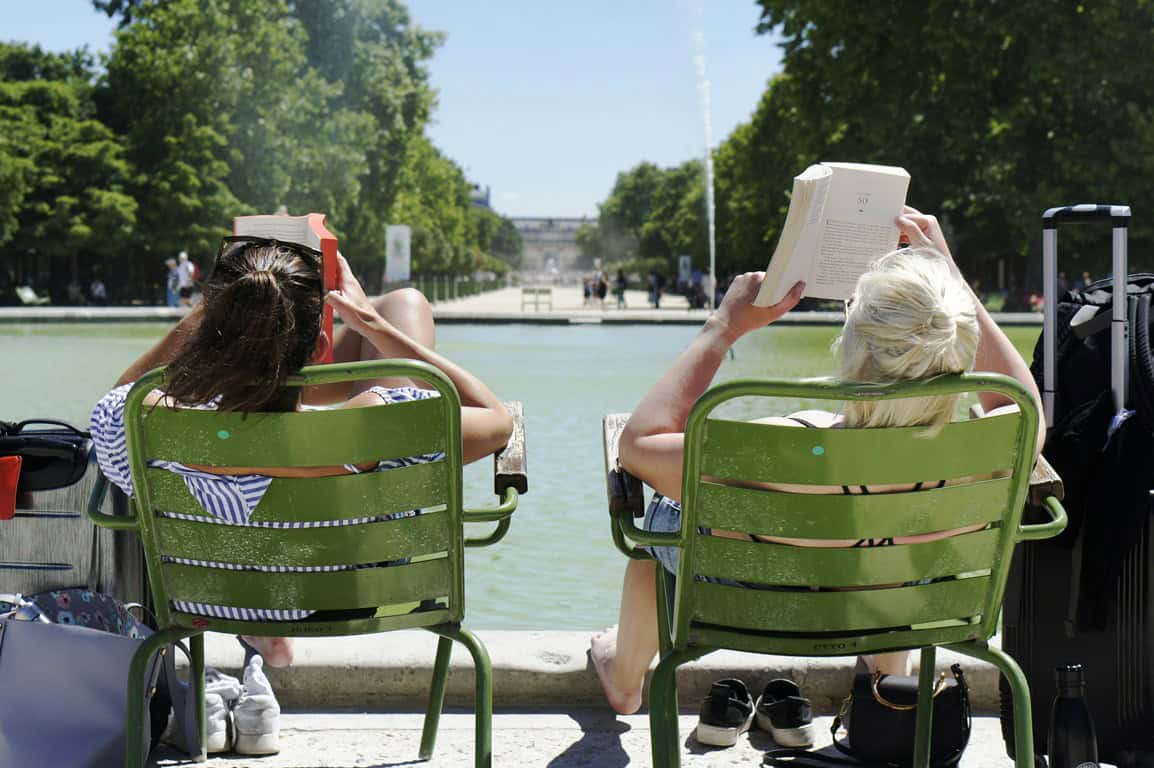
June bridges spring and summer without fully committing to either. Early in the month, temperatures remain spring-like, and major tourist crowds haven’t fully arrived. By late June, you’re into full summer mode—long days, warm evenings, festival season beginning.
The 21st brings Fête de la Musique, a citywide celebration when musicians of all skill levels perform free concerts on streets, in parks, in Métro stations, and on café terraces. The entire city becomes a stage, from classical quartets in courtyards to rock bands on street corners to impromptu jam sessions. It’s chaotic, sometimes overwhelming, and thoroughly Parisian in its democratic approach to music.
Music festivals intensify: We Love Green combines eco-consciousness with top-tier artists in Bois de Vincennes. Solidays at Longchamp racecourse mixes major acts with AIDS awareness. Days Off at the Philharmonie presents cutting-edge contemporary music. The Paris Jazz Festival begins its summer residency at Parc Floral, offering free Sunday afternoon concerts through September.
June also marks school holiday season across Europe, bringing increased family travel but still feeling manageable compared to peak July-August crowds.
July: Peak Summer
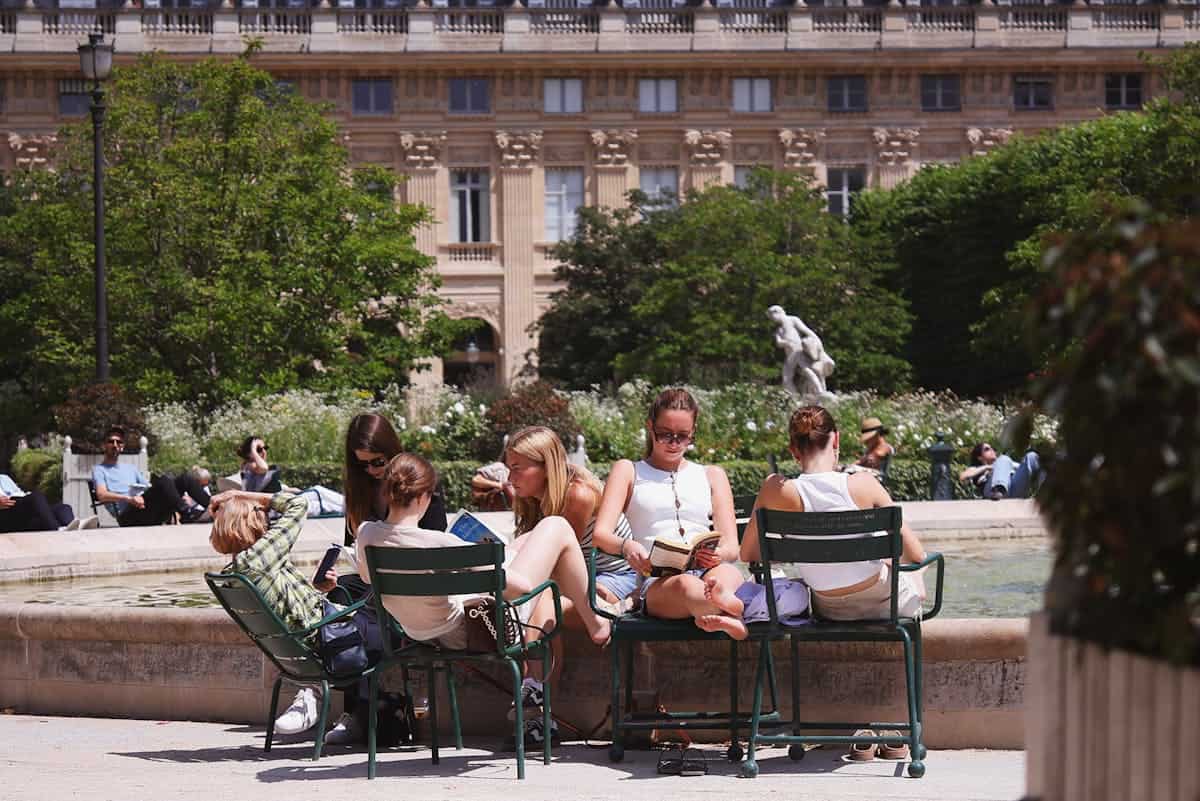
July is Paris in full summer mode: hot, crowded, energetic, and unmistakably festive. The 14th dominates the month—Bastille Day brings military parades down the Champs-Élysées, fireworks at the Eiffel Tower (spectacular and massively attended), and Firemen’s Balls where fire stations host all-night dance parties open to the public.
The Tour de France finishes in Paris on July 26, 2026, with the traditional sprint up the Champs-Élysées. Even non-cyclists find the atmosphere electric—the entire city celebrates, cafés blast coverage, and locals claim prime viewing spots hours early.
Paris Plages transforms sections of the Seine riverbanks, Canal Saint-Martin, and Bassin de la Villette into temporary beaches from early July through early September. Real sand, palm trees, deckchairs, activities, and—crucially in 2026—designated swimming areas in the Seine itself, making the longtime Parisian dream of swimming in the river a reality again. In 2026, Paris Plages takes on an East and West Coast American theme to celebrate 250 years of Franco-American friendship.
Open-air cinema begins at Parc de la Villette, showing films under stars on Europe’s largest inflatable screen. Pack a picnic, bring wine, watch movies from blankets on grass—it’s summer in Paris distilled to pure pleasure.
Cultural programming intensifies rather than stops: Festival Paris l’Été scatters theater, dance, circus, and performance art across parks and unexpected venues throughout the city. Museums mount major summer exhibitions. Classical concerts fill churches and outdoor venues.
By mid-July, many Parisians leave for August vacations, creating a curious dynamic where tourist numbers peak just as local population decreases.
August: The Parisian Exodus
August occupies a strange space in the Paris calendar. Traditionally, the city emptied as Parisians fled for beaches, countryside, or foreign destinations. Shops closed, neighborhoods went quiet, and Paris became a peculiarly international city run largely by and for visitors.
This is changing—younger Parisians often can’t afford August vacations, and many businesses stay open year-round—but August still feels different. Some restaurants and shops close, particularly small family businesses. The pace slows. Traffic eases (relatively speaking). And paradoxically, this creates pleasant conditions for visitors who don’t mind the heat.
August offers everything July does minus some intensity: Paris Plages continues, outdoor cinema runs, concerts fill parks, festivals operate. The European Swimming Championships (August 1-16, 2026) bring world-class aquatic sports to the city. Rock en Seine closes out the month (August 26-30) with a massive music festival in Saint-Cloud.
The city also offers surprising quiet in certain neighborhoods, creating opportunities to experience Paris without fighting crowds at every monument. Museums maintain full schedules with fewer visitors. Restaurants have tables available. Parks offer space to actually sit.
For those seeking comprehensive seasonal guides, check our spring in Paris guide for cherry blossoms and perfect weather, or our winter in Paris article for holiday markets and fewer tourists. And if you’re planning an autumn visit, our fall in Paris guide covers foliage, harvest season, and arguably the most beautiful light of the year.
Time matters when you travel. Paris For You app brings essential Paris information together in one simple app.
What Makes Summer Special
Beyond specific events, summer in Paris offers atmospheric pleasures unavailable other seasons:
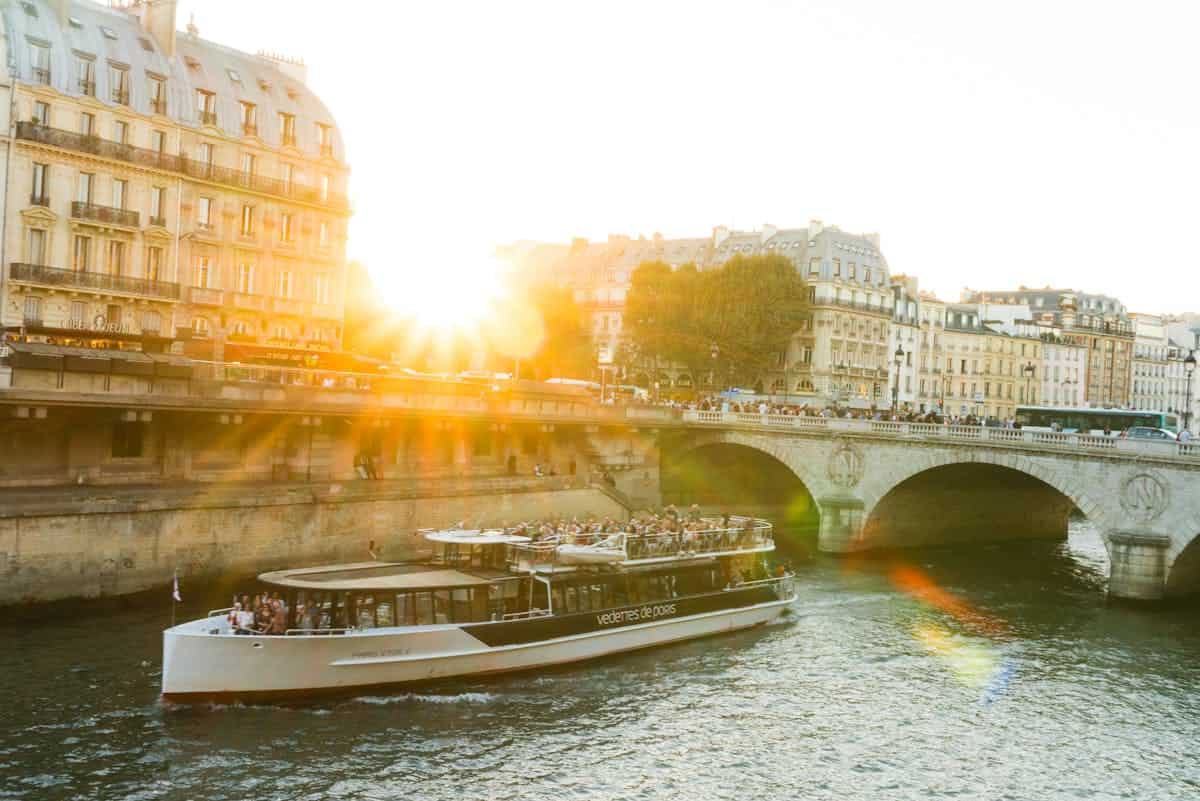
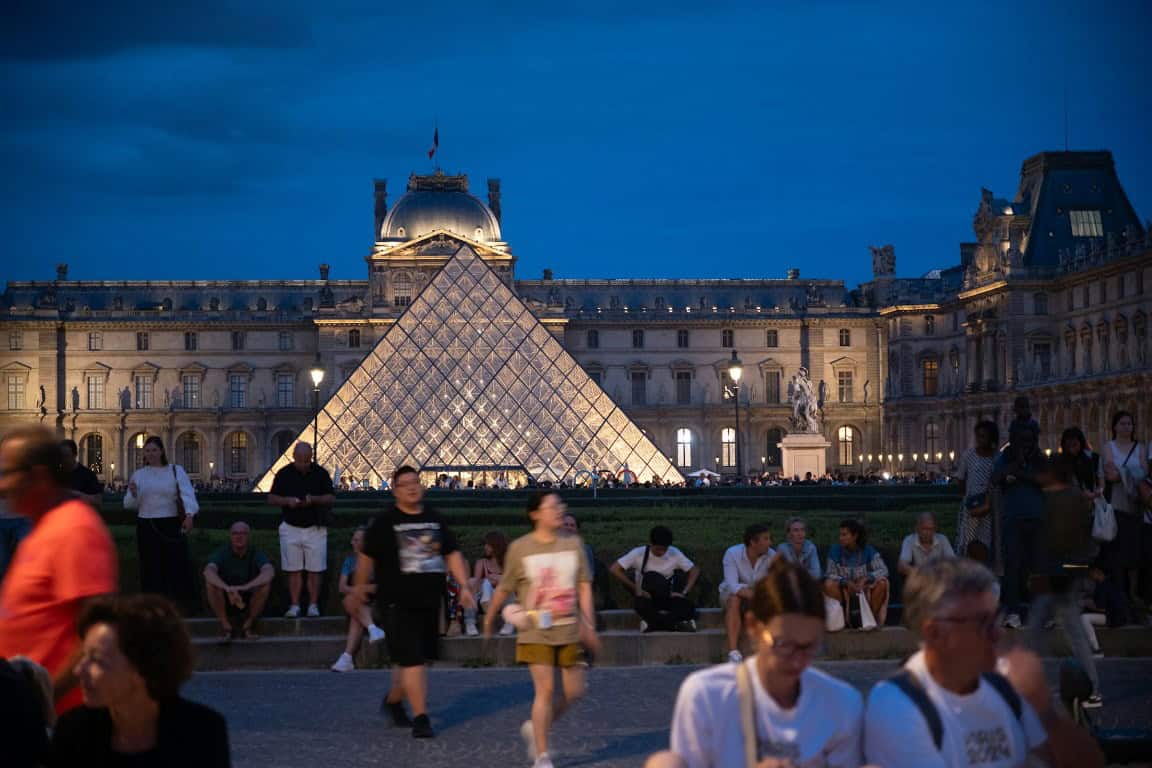
Long evenings change everything. When sunset comes at 9:30 or 10 PM, you’re not racing against darkness. Dinner at 8 PM still has full daylight. Post-dinner walks along the Seine happen in twilight that lasts for hours. The golden hour—that perfect photography light—seems to extend indefinitely.
Outdoor living becomes central rather than occasional. Café terraces that feel like nice extras in spring become essential in summer. Parks transform into full-time social spaces. River banks host joggers, picnickers, dancers, and people simply sitting by water. The entire city shifts outdoors in ways that fundamentally change daily rhythms.
International energy peaks in summer. Yes, this means crowds, but it also creates a particular cosmopolitan atmosphere. You hear dozens of languages, encounter people from everywhere, and experience Paris as a truly global city rather than primarily French one. This internationalism isn’t everyone’s preference, but it has its own appeal.
Festival culture dominates weekends. Between music festivals, outdoor cinema, street performances, and neighborhood celebrations, summer weekends offer constant entertainment options. The challenge isn’t finding something to do—it’s choosing among too many options.
Navigating Summer Challenges
Summer’s drawbacks are real, but they’re manageable with planning:
Heat management matters. Start days early when temperatures are coolest. Take afternoon breaks in air-conditioned museums, churches, or department stores. Carry water (public fountains throughout Paris offer free refills). Seek shade in parks and gardens. Evening activities become more appealing than midday sightseeing when temperatures peak.
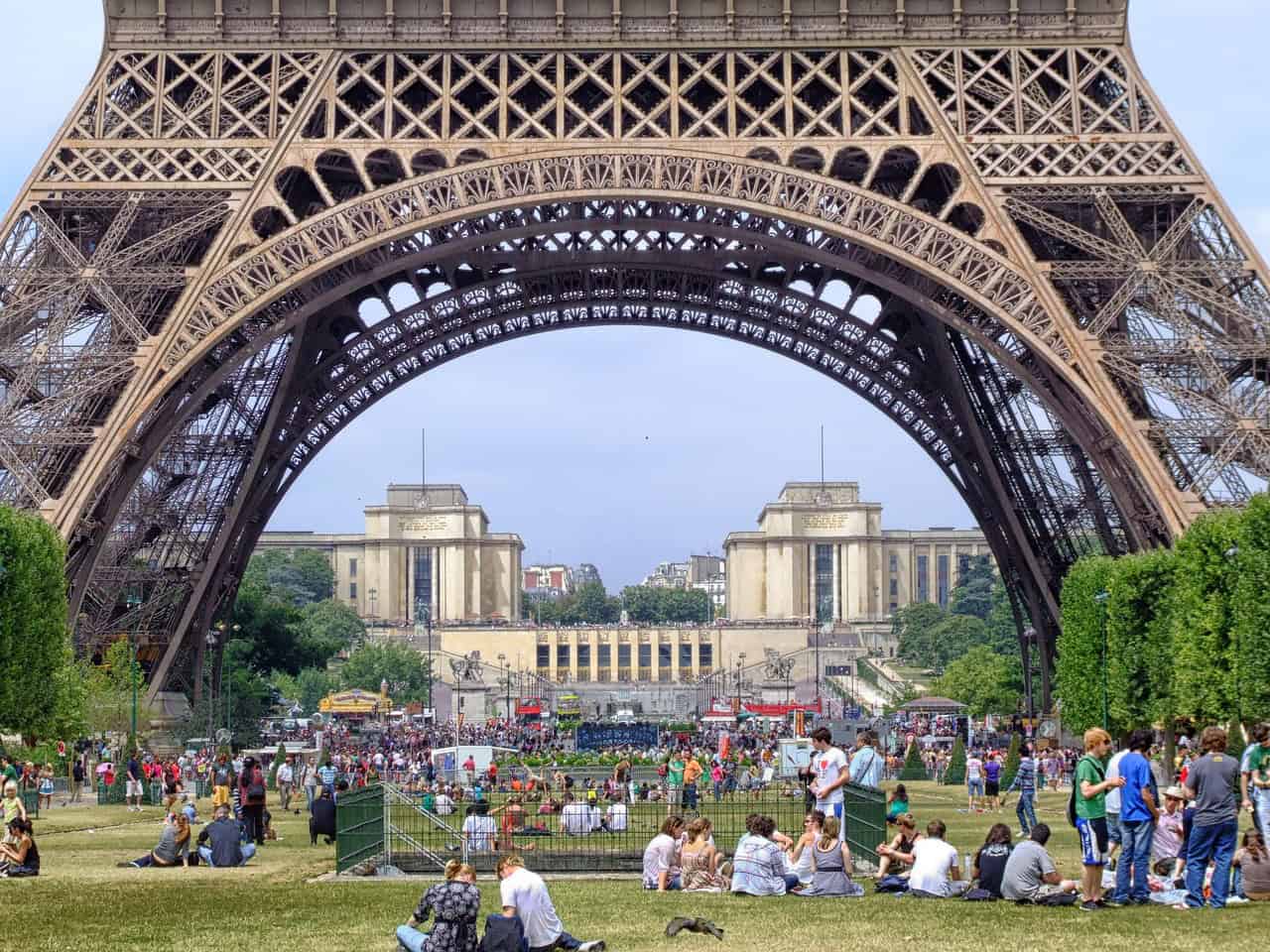
Crowds are inevitable but predictable. Major sites (Louvre, Eiffel Tower, Versailles) require advance tickets—book weeks ahead for summer. Visit popular monuments early morning or late afternoon. Explore less-famous museums and neighborhoods where crowds thin. Consider guided tours that skip general admission lines.
Closed businesses mostly affect August and primarily small, independent shops. Check operating hours before making special trips. But major sites, museums, and most restaurants stay open—Paris doesn’t shut down entirely like some European cities.
Accommodation prices peak in summer. Book early for better rates. Consider staying slightly outside central tourist areas (9th, 10th, 11th, 18th arrondissements) for lower prices and more authentic neighborhood experiences.
Events Worth Planning Around
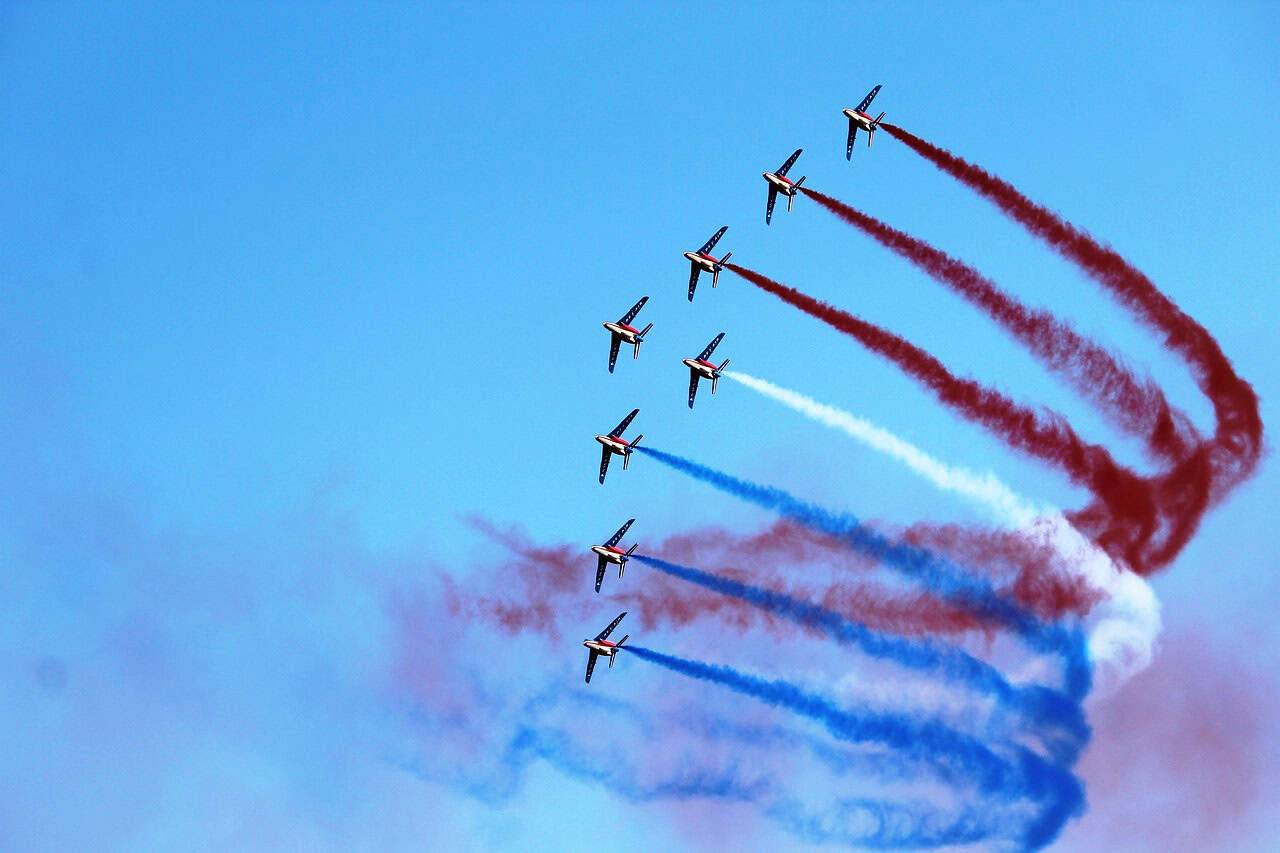
Bastille Day (July 14) offers France’s biggest annual celebration. The morning military parade down the Champs-Élysées showcases French military might with precision that only the French manage. Evening fireworks at the Eiffel Tower create a spectacle visible across the city. Firemen’s Balls at fire stations throughout Paris offer free admission to all-night dance parties—genuinely fun, genuinely local, genuinely weird.
Tour de France Finish (July 26, 2026) brings cycling mania to Paris. Even non-fans appreciate the atmosphere—champagne flows, crowds cheer, and the traditional final lap sprint up the Champs-Élysées delivers genuine sporting drama. Claim viewing spots early or watch from café terraces with big screens.
250th Anniversary of American Independence celebrations run throughout 2026 but peak in summer with special programming across Paris. Museums mount American-themed exhibitions, Paris Plages takes American coastal inspiration, and July 4 sees special Franco-American celebrations.
Paris Plages (July-September) transforms waterfront spaces into free summer playgrounds. Swimming in the Seine returns in 2026—a historic moment worth experiencing. Beyond swimming, expect beach volleyball, dance classes, concerts, and simply lounging on deckchairs by the water.
Why Summer Works
Despite warnings, summer in Paris offers legitimate appeal beyond just accepting crowds for availability:
The city fully commits to summer. This isn’t reluctant accommodation of warm weather—it’s enthusiastic embrace. Paris Plages doesn’t half-heartedly acknowledge summer; it transforms kilometers of riverfront into elaborate beach scenes. Festivals don’t just happen; they take over entire parks and neighborhoods.
The energy feels different. Winter Paris can be moody and introspective. Summer Paris is social, open, and gregarious. People linger outdoors, strike up conversations, and generally operate with more openness than the reserved Parisian stereotype suggests.
The practical aspects work well. Long daylight means you can pack more into days. Warm weather simplifies clothing decisions. Rain is less frequent than spring. And while heat can be uncomfortable, it rarely reaches truly unbearable levels for extended periods.
The international atmosphere has merit. Yes, you’re sharing the city with millions of other visitors. But this creates a particular energy—a sense of shared experience, of Paris as destination rather than just city, of participating in something bigger than individual tourism.
The Honest Assessment
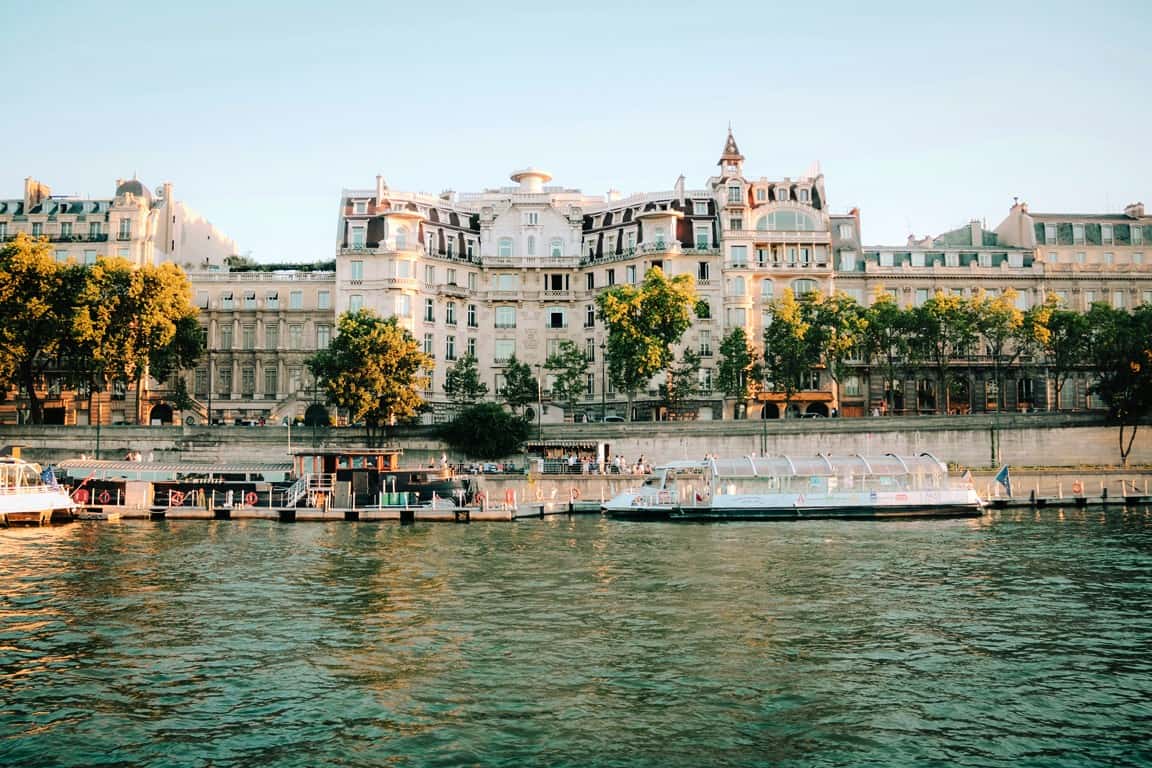
Summer won’t be everyone’s preferred Paris season. If you prioritize avoiding crowds, summer fails immediately. If heat bothers you significantly, summer presents challenges. If you want Paris to yourself, summer offers the opposite.
For more temperate weather and smaller crowds, consider our spring in Paris guide (March-May) or autumn in Paris article (September-November). Winter also has its charms—see our winter in Paris guide for details on the coldest but often most magical season.
But summer provides experiences simply unavailable in other seasons: swimming in the Seine, watching fireworks at the Eiffel Tower on Bastille Day, attending free concerts in parks until sunset at 10 PM, sprawling on Paris Plages beaches while still in the city center, experiencing the Tour de France finish, and participating in the energy of peak international Paris.
The warnings about summer aren’t wrong. But they’re incomplete. Yes, it’s crowded—and also festive. Yes, it’s hot—and also long evenings of perfect weather. Yes, it’s touristy—and also when Paris most fully celebrates itself.
If you can handle crowds, heat, and higher prices in exchange for festivals, long evenings, outdoor everything, and peak Parisian summer energy, then summer offers something genuinely special. Just bring comfortable shoes, book major sites in advance, start days early, and embrace the fact that you’re visiting Paris when everyone else is too.
Make your Paris trip simpler.
Download Paris For You and explore the city like a local.
Download on Android
Download on iPhone


