



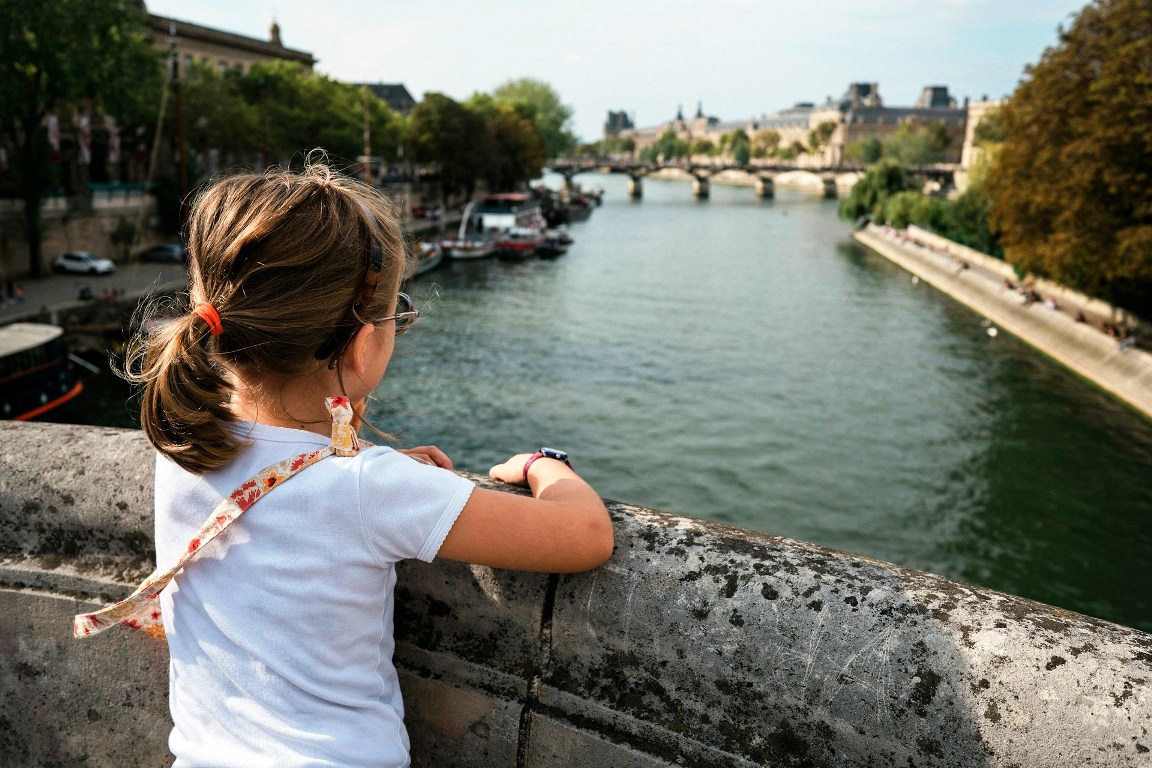
There’s a persistent myth that Paris is only for romantic couples or serious museum-goers—that bringing children somehow dilutes the experience. But spend a few days navigating Paris with kids in tow, and you’ll discover something unexpected: Paris is genuinely good at being family-friendly. Not in the manufactured, theme-park way, but in the organic sense that this is a city where children are simply part of daily life.
The key difference? Parisians don’t segregate their children from adult experiences. Kids eat at nice restaurants (albeit earlier than adult diners). They visit museums. They sit in cafés. This integration means the infrastructure exists to support families without resorting to ball pits and chicken nuggets—though you can find those too, if needed.
Why Paris Works for Families
Paris operates on a walkable, human scale that suits children surprisingly well. Neighborhoods are compact, with bakeries, parks, and playgrounds within easy reach. The Métro, while crowded at rush hour, makes getting around with kids manageable—especially if you avoid peak times and invest in a stroller that can handle stairs (or a good baby carrier).
The city’s parks aren’t just green spaces with benches. They’re designed for play. Nearly every arrondissement has at least one park with a proper playground, often with separate areas for different age groups. Many have carousels, puppet theaters, and pony rides. These aren’t tourist attractions—they’re where Parisian families spend their weekends.
Food is rarely an issue. Boulangeries sell pain au chocolat and croissants that children universally love. Crêpe stands offer the perfect walking snack. Most restaurants, even nice ones, accommodate children without fuss—though you’ll notice French children tend to eat what their parents eat, not a separate “kids menu.”
Starting Points: The Obvious Choices That Actually Deliver
Let’s address the big one: the Eiffel Tower. Yes, it’s touristy. Yes, you’ll wait in lines. But children genuinely love it, and for good reason—it’s an enormous metal structure you can climb. The key is managing expectations. Book tickets in advance (essential), go early or late to avoid peak crowds, and consider just going to the first level rather than the summit. The view is still spectacular, the lines are shorter, and young children won’t appreciate the height difference anyway.
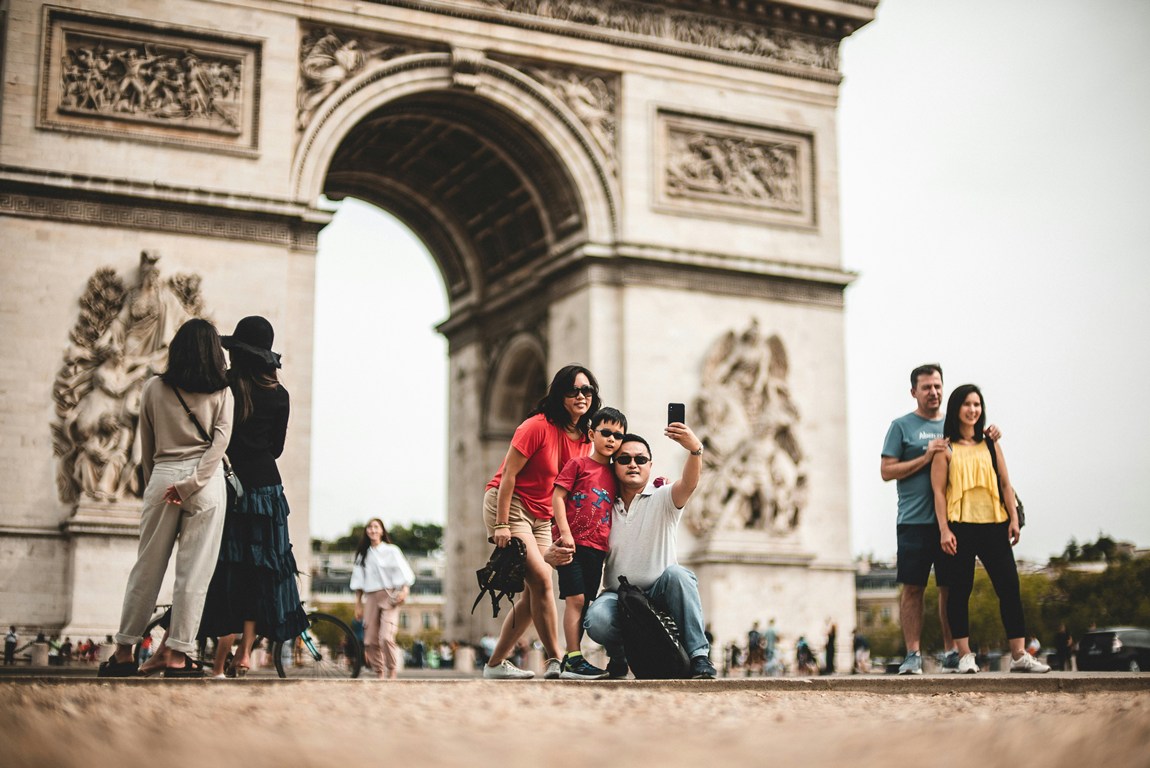
The Arc de Triomphe offers a different experience. The 284-step spiral staircase is an adventure in itself, and the panoramic view from the top is stunning. There is an elevator, but it’s generally reserved for visitors who need it, and you should still expect some stairs near the end—so for most families, this works best with older kids who can handle a climb. The reward? They can spot the Eiffel Tower, Sacré-Cœur, and all the avenues radiating from the Arc like spokes on a wheel.
Notre-Dame’s restoration is complete, and the cathedral is once again welcoming visitors. The Gothic architecture fascinates children, especially the gargoyles and the famous bell towers. The square in front offers plenty of space for children to run around, and the nearby Shakespeare and Company bookstore has a children’s section where kids can browse while parents recover from all the walking.
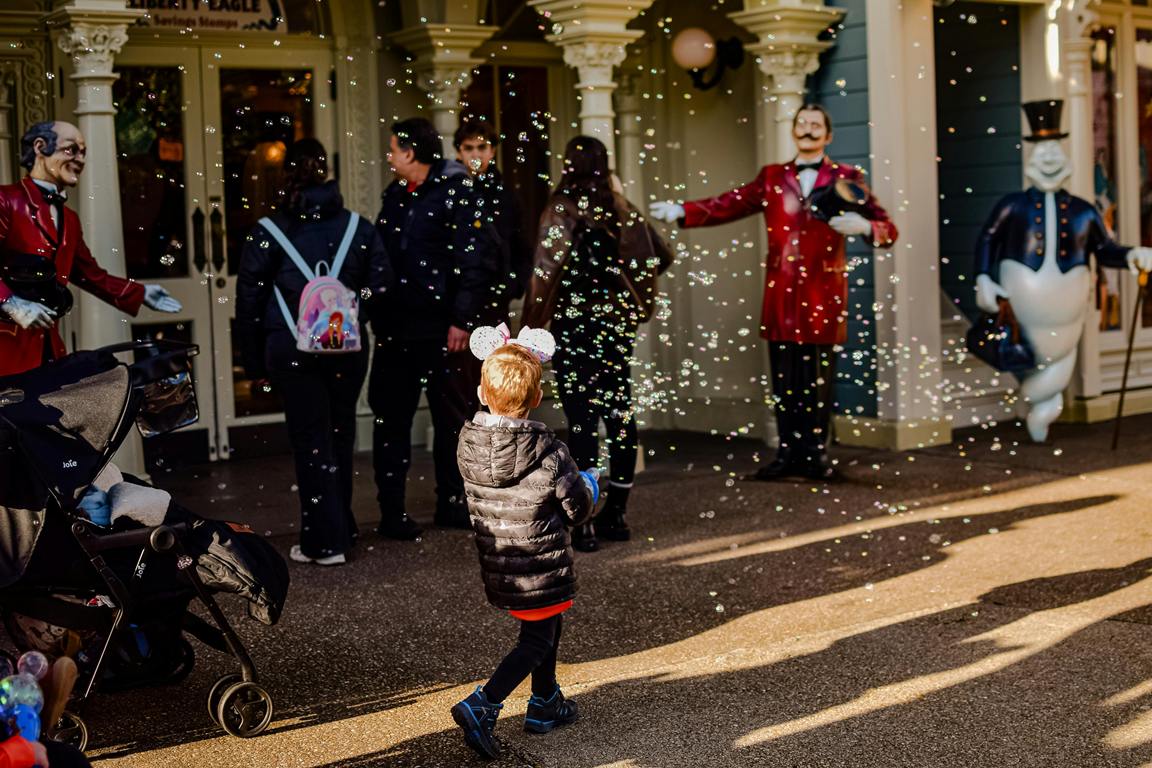
If your kids are Disney fans, Disneyland Paris makes an easy day trip via RER A train from central Paris (about 45 minutes). The resort includes both Disneyland Park and Walt Disney Studios Park, offering the full Disney experience without leaving the Paris region. For a complete guide to visiting with tips on tickets, best times, and what to expect, check out our detailed Disneyland Paris article.
Museums and Attractions for Paris with Kids
The Louvre with children sounds like a recipe for disaster, but it doesn’t have to be. The museum offers family-friendly trails and workshops, though the real secret is choosing what to see. Skip the comprehensive tour and focus on things kids actually care about: Egyptian mummies, ancient sculptures, and yes, the Mona Lisa (mainly so they can say they saw it and be done). The Louvre is massive—embrace seeing only a fraction of it.
The Musée d’Orsay, housed in a former railway station, fascinates children before they even see the art. The building itself, with its grand clock and glass ceiling, is impressive. For the collections, focus on the Impressionist paintings (colors, outdoor scenes, recognizable subjects) and make it brief. An hour is plenty with younger children.
For hands-on experiences, the Cité des Sciences et de l’Industrie in Parc de la Villette is purpose-built for families. The Cité des Enfants sections are divided by age (2-7 and 5-12), offering interactive exhibits about science, technology, and the world. It’s the kind of place where children can spend hours without realizing they’re learning.
The Muséum National d’Histoire Naturelle houses the Grande Galerie de l’Évolution, where life-size animal models parade through an enormous hall. The lighting creates a dawn-to-dusk effect, and there’s a dedicated children’s gallery exploring biodiversity. It’s educational without being preachy, and the taxidermied animals hold children’s attention remarkably well.
The Aquarium de Paris, located in the gardens of Trocadéro, offers over 10,000 fish and sea creatures including sharks, rays, and jellyfish. The touch pool where children can interact with koi carp is always popular, and the shark tank feeding sessions are genuinely exciting. It’s not the world’s largest aquarium, but it’s well-maintained and perfectly sized for a few hours’ visit.
For older children and teenagers, Atelier des Lumières provides an immersive digital art experience. This former foundry projects massive animated artworks across walls, floors, and ceilings, accompanied by music. Recent exhibitions have featured Van Gogh, Klimt, and other masters transformed into moving, floor-to-ceiling displays. It’s mesmerizing, Instagram-friendly, and requires no art history knowledge to appreciate.
Parks and Outdoor Spaces
The Luxembourg Gardens deserve an entire afternoon. Beyond the obvious beauty, the park offers sailboat rentals at the grand basin (children push toy sailboats across the pond with long sticks), an excellent playground, pony rides, and a puppet theater that’s been entertaining Parisian children since 1933. The performances are in French, but the slapstick humor translates universally.
Jardin d’Acclimatation, on the edge of the Bois de Boulogne, is Paris’s dedicated amusement park for children. It combines gardens, playgrounds, and rides in a surprisingly elegant way. The mirror maze, miniature railroad, and various animal exhibits keep children entertained for hours. It’s not Disneyland—it’s more charming and less overwhelming.
The Tuileries Garden, between the Louvre and Place de la Concorde, becomes particularly appealing during summer when a temporary amusement park takes over with rides, carnival games, and snack stands. Even without the summer festival, the park has a large playground and plenty of space for children to burn energy.
Parc des Buttes-Chaumont in the 19th arrondissement offers something different: dramatic topography. Built on a former quarry, the park features cliffs, waterfalls, a suspension bridge, and a temple perched on a rocky island. Older children love exploring the various paths and hidden corners, and the park feels less formal than the central Paris gardens.
Practical Matters
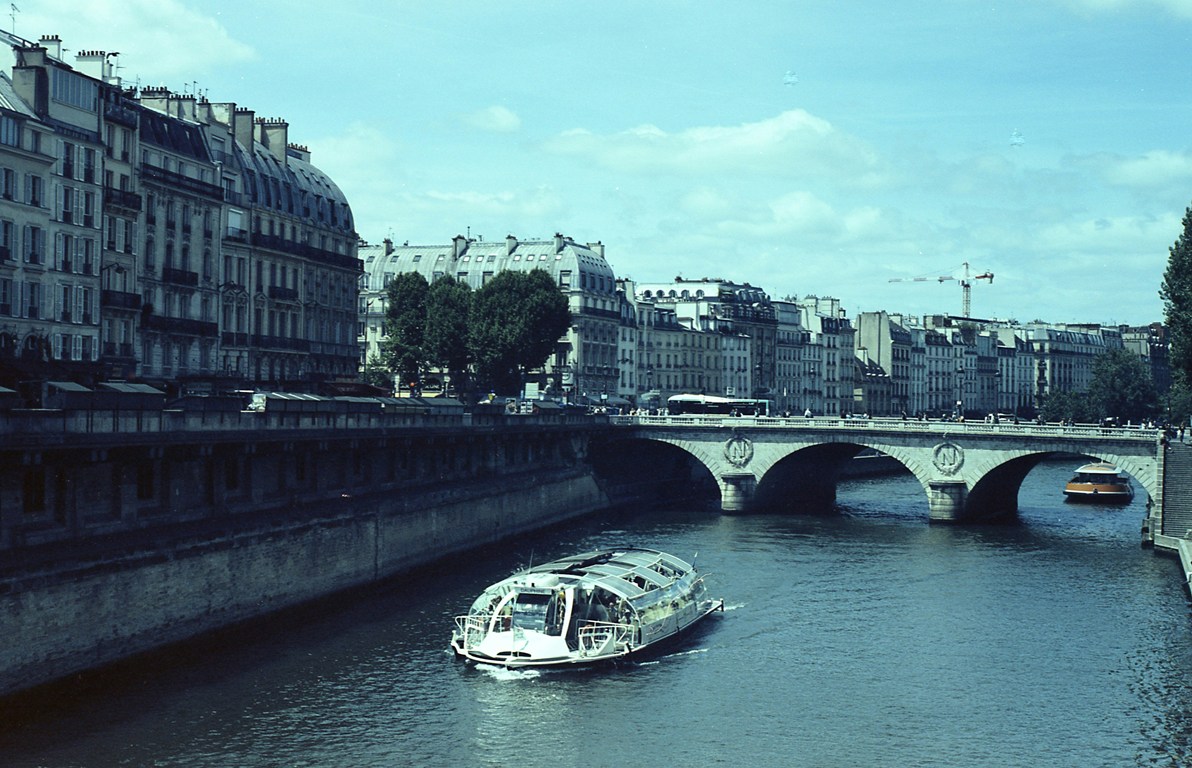
Transportation with children in Paris requires some strategy. The Métro is efficient but not always stroller-friendly. Many stations lack elevators, and stairs can be numerous. Buses offer an alternative—slower but easier with strollers and offering views as you travel. The Batobus (river shuttle) combines transportation with entertainment, hopping between stops along the Seine.
Stroller etiquette matters. Parisians use compact, maneuverable strollers, not the all-terrain models popular elsewhere. Cafés and shops have limited space, and you’ll appreciate something you can collapse quickly. Baby carriers work well for younger children and navigate crowds more easily.
Bathrooms present challenges, as they do in most European cities. Department stores (Galeries Lafayette, Printemps, BHV) have reliable facilities. Museums have them. Most cafés theoretically have toilets for customers, though they’re not always maintained well. Plan accordingly.
French pharmacies are remarkably helpful for traveling families. Pharmacists provide advice for minor ailments, and children’s medications are readily available. They’re marked with a green cross and found throughout the city.
Eating with Children
French dining culture differs from what many families expect. Restaurants typically serve lunch from noon to 2 PM and dinner starting around 7:30 PM. Early dining isn’t really a thing, though crêperies and cafés are more flexible. The upside? By the time you’re ready for dinner after a day of sightseeing, restaurant timing works perfectly.
Most restaurants accommodate children without dedicated kids’ menus. French children eat smaller portions of adult food, and restaurants will often provide exactly that—a half portion of pasta, a simple omelet, or a plain steak with fries. High chairs are available at most establishments.
Picnics solve many dining challenges. Visit a fromagerie for cheese, a boulangerie for bread, a charcuterie for meats, and a market for fruit. Add some juice boxes and pastries, find a park, and you have a quintessentially Parisian meal that children actually enjoy. The Luxembourg Gardens and Champ de Mars (near the Eiffel Tower) are perfect picnic spots.
Unexpected Pleasures
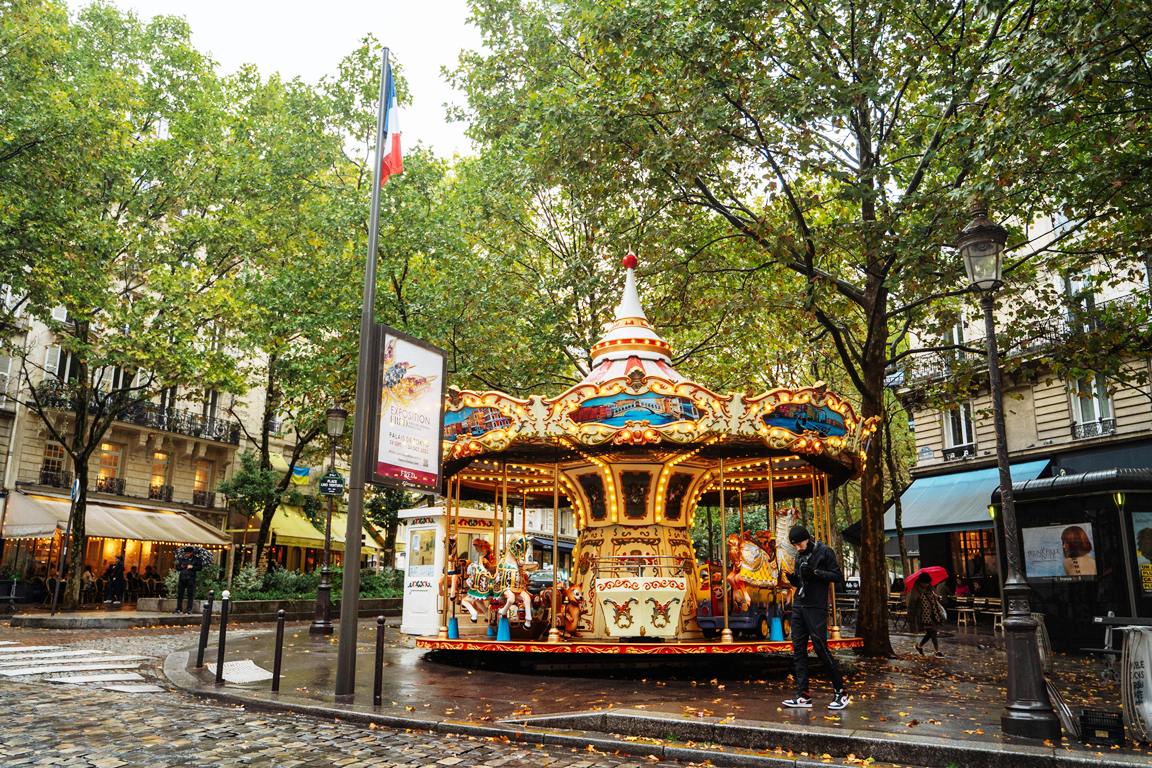
Carousels appear throughout Paris—at the Trocadéro, at Montmartre, in front of Hôtel de Ville—and they’re beautifully maintained vintage models, not plastic replicas. At €3-4 per ride, they’re an affordable treat that children love and parents appreciate aesthetically.
Bookstores like Chantelivre and L’Attrape-Cœurs specialize in children’s literature, with beautifully illustrated French books that make excellent souvenirs even if your children can’t read French yet.
Street performers in areas like Montmartre and along the Seine offer free entertainment. Musicians, living statues, and artists create spontaneous moments that children remember long after museum visits blur together.
The Canal Saint-Martin area appeals to older children and teenagers. The bridges, locks, and more relaxed atmosphere offer a break from tourist-heavy areas, and the canal-side cafés welcome families.
What Ages Work Best?
Paris works for all ages, but the experience differs. Toddlers (2-4) enjoy parks, playgrounds, and the general adventure of being somewhere new, though museum tolerance is low. Elementary age (5-11) hits a sweet spot—old enough to walk reasonable distances, young enough to be excited by carousels and playgrounds, and increasingly able to appreciate museums and monuments.
Teenagers present their own dynamic. They appreciate authentic experiences—eating at real bistros, exploring neighborhoods, visiting the Catacombs (genuinely creepy underground ossuaries that teenagers love). The shopping districts, from vintage shops in the Marais to high-end boutiques on the Champs-Élysées, appeal to fashion-conscious teens.
The Real Benefit of Paris with Kids
Here’s what you discover traveling to Paris with children: they force you to slow down. You can’t museum-hop at a furious pace. You can’t skip meals. You have to find parks, take breaks, and notice the small pleasures—a good carousel, an excellent croissant, a playground with an exceptional slide.
This slower pace often reveals a better Paris than the exhausting monument checklist. You become more selective, choosing what really matters. You spend more time in neighborhoods, getting to know a boulangerie, a park, a favorite street. You eat picnics and notice details. You find your own rhythm.
French parents provide a model worth considering: children are expected to adapt to adult life rather than adults creating a separate children’s world. This doesn’t mean being strict or joyless—it means trusting that children can enjoy excellent food, beautiful art, and interesting places if we let them.
Paris isn’t trying to be Disneyland. It’s a real city where real families live, and that’s precisely what makes it work. The infrastructure exists because Parisians need it, not because tourism demands it. The result is a family-friendly city that doesn’t feel like it’s performing family-friendliness.
Download the Paris For You App
Explore Paris with offline maps, family-friendly routes, and all the playgrounds, carousels, and kid-approved spots you need—available in 26 languages. Whether you’re planning museum visits, finding the nearest park, or locating that perfect crêpe stand, the app makes family travel easier.
Make your Paris trip simpler.
Download Paris For You and explore the city like a local.
Download on Android
Download on iPhone


