






Updated on 26 July 2026
Most Paris trips that go wrong don’t go wrong in Paris. They go wrong in the planning beforehand — a missed ticket booking, a passport left until the last minute, a currency question left unanswered. None of these things are complicated to sort out in advance. They just need to be done.
This checklist covers everything worth handling before you leave: tickets and bookings, documents, money, transport, packing, and a few practical details that are easy to overlook. Work through it a few weeks before your trip and you’ll arrive with nothing outstanding and nothing to worry about.
At a Glance: What to Sort and When
| When | What to handle | Priority |
| As soon as dates are set | Flights, accommodation and passport check | Essential |
| 6–8 weeks before | Eiffel Tower and Versailles tickets | Essential in summer |
| 2–4 weeks before | Louvre, Sainte-Chapelle, other museum tickets | Essential |
| 2–4 weeks before | Travel insurance | Essential |
| 1–2 weeks before | Notify bank, sort currency or card, Notre-Dame time slot | Recommended |
| A few days before | Restaurant bookings, download offline maps, reconfirm tickets | Recommended |
| Day before | Pack, screenshot confirmations, check Métro route from airport | Practical |
Tickets and Bookings
This is the most consequential part of the checklist. Getting it right saves hours; getting it wrong is the most common reason Paris trips lose momentum.
Book before you travel — essential
☐ Eiffel Tower
Book on the official website: toureiffel.paris. Decide in advance how high you want to go — second floor or summit. First available time slot is almost always the best choice. In summer, book 4–6 weeks ahead; popular slots sell out. Third-party resellers charge more for the same tickets.
☐ Versailles (if going)
Book on the official website: chateauversailles.fr. Often books up quickly, especially in summer. Combination tickets covering palace and gardens offer better value than buying separately. Go early — crowds build significantly through the morning.
☐ The Louvre
Book timed entry on louvre.fr. Arrive at opening (9:00 on most days — check current hours). Closed on Tuesdays. Decide on two or three areas before you arrive; don’t try to see everything. EU residents under 26 enter free — bring valid ID.
☐ Sainte-Chapelle
Book on sainte-chapelle.fr. The chapel is inside the Palais de Justice and requires going through security — allow up to 30 minutes on busy days. Walk-up queue is longer than it looks. Budget about 45 minutes inside.
Book in advance — recommended
☐ Notre-Dame time slot
Entry to the cathedral is free, but booking a time slot on notredamedeparis.fr avoids queuing, particularly in summer and around midday. The towers require a separate paid ticket. Check current hours before booking.
☐ Musée d’Orsay
Timed entry available on musee-orsay.fr. Useful in high season. Closed on Mondays. Check current prices before booking.
☐ Specific restaurants
If you have somewhere particular in mind, book 24–48 hours ahead — more for popular places and weekend evenings. Many Paris bistros take walk-ins for earlier seatings, but don’t rely on it for a restaurant you specifically want.
What to Book Before Visiting Paris (and What Can Wait)
No booking needed
Sacré-Cœur, Montmartre (neighborhood), the Marais (neighborhood), Tuileries and Luxembourg Gardens, Seine riverbank walks, Île Saint-Louis. These are some of the best parts of Paris and require no advance planning.
Documents and Travel Admin
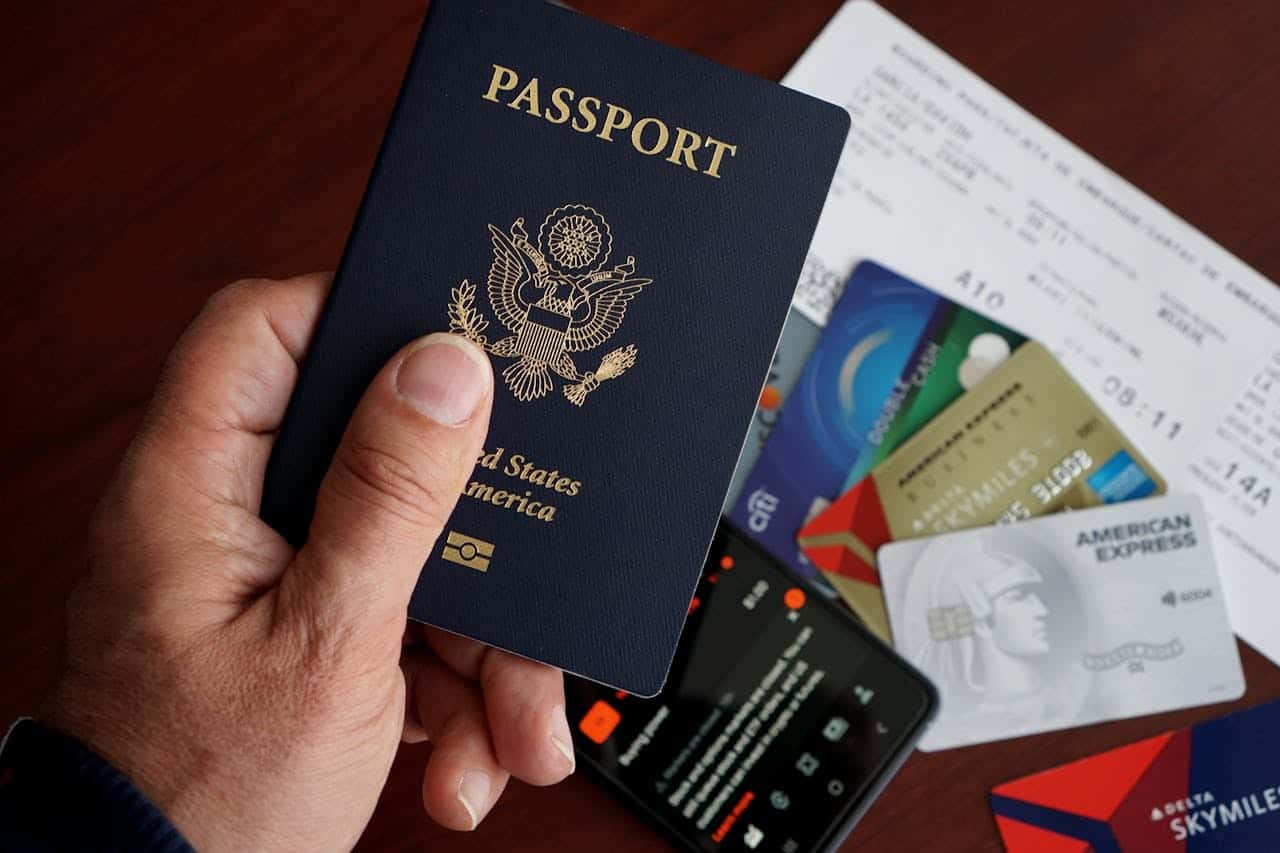
☐ Passport or ID card
Check the expiry date now, not the week before you leave. Many countries require at least 3–6 months of validity beyond your travel dates. EU citizens can enter France with a national ID card; non-EU visitors need a valid passport. Check entry requirements for your specific nationality on the French government website.
☐ Visa (if required)
EU, EEA, and Swiss citizens do not need a visa to enter France. Most other nationalities can visit for up to 90 days without a visa under the Schengen agreement, but requirements vary. Check well in advance if you’re unsure — visa processing can take several weeks.
☐ Travel insurance
Check that your policy covers medical expenses, trip cancellation, and lost luggage. EU citizens with a European Health Insurance Card (EHIC or GHIC for UK residents) have some medical cover in France, but travel insurance covers situations EHIC does not. Read the policy before you buy.
☐ Flight and accommodation confirmations
Screenshot or download all confirmations so they’re accessible offline. Hotel address saved somewhere you can access without mobile data.
☐ Copies of important documents
A photo of your passport on your phone is useful if the original is lost or stolen. A note of your travel insurance policy number and emergency contact number takes 30 seconds and saves time in a difficult situation.
If this is your first trip to Paris, Paris For You app helps you avoid confusion and overplanning. Everything you need is already on the map.
Money and Payments
☐ Notify your bank
If your bank monitors for unusual foreign transactions, let them know you’re travelling to France. A blocked card at a Paris checkout is a minor annoyance that’s easy to avoid.
☐ Check your card fees
Some debit and credit cards charge foreign transaction fees or ATM withdrawal fees abroad. Cards without these fees (Wise, Revolut, and several travel-focused cards) can save meaningful amounts over a week’s trip. Check before you go.
☐ Cash
Card payments are widely accepted across Paris, including on the Métro. Having €50–100 in cash is useful for smaller markets, some older bistros, and tips. ATMs (distributeurs) are common across the city; use bank ATMs rather than standalone machines in tourist areas, which often charge higher fees.
☐ Rough budget
A rough guide per person per day, excluding accommodation:
- Budget: €50–70 — free museum days, market lunches, street food, a sit-down dinner away from the center
- Mid-range: €80–150 — paid museum entries, brasserie lunch, bistro dinner with wine
- Higher: €150+ — multiple paid sights, meals at recommended restaurants, taxis
Getting There and Around
Airport to city
☐ From Charles de Gaulle (CDG)
RER B train is the most straightforward option — runs every 10–15 minutes to Gare du Nord, Châtelet–Les Halles, and Saint-Michel in about 35–45 minutes. Roissybus runs direct to Opéra. Fixed taxi fares apply from CDG to central Paris — check current rates on the official Paris taxi website before you travel.
☐ From Orly (ORY)
Orlyval automated shuttle connects to Antony station, then RER B into the center (35–40 minutes total). Orlybus runs to Denfert-Rochereau. Fixed taxi fares also apply from Orly.
Getting around Paris
☐ Métro ticket option
Decide before you arrive which ticket option suits your trip:
- Individual t+ tickets (or carnet of 10) — flexible, good for short stays
- Navigo Easy card — reloadable, works on Métro, RER (zones 1–2), bus, and tram
- Navigo Weekly pass — unlimited travel, Monday–Sunday. Worth it for stays of 5+ days with regular Métro use. Requires a passport photo.
☐ Download an offline map
Google Maps, Maps.me, or the Paris For You app all allow offline access. Mobile data isn’t always reliable in Métro tunnels; an offline map avoids the problem entirely.
Visiting Paris for the first time? Start with the Paris TOP15 Must-See Places map.
☐ Check the Métro route from your airport to your hotel
Do this before you land, not after a long flight while standing in a busy arrivals hall.
First Time in Paris: Everything You Need to Know Before You Go
Packing

Paris doesn’t require specialist gear. A few things consistently make the trip more comfortable:
Clothing
☐ Comfortable walking shoes
This is the most important item on the packing list. Paris involves significantly more walking than most people expect — 6–10 km per day is common on a sightseeing itinerary. Whatever looks good but hurts after two hours is the wrong choice.
☐ A layer for variable weather
Paris weather is changeable regardless of season. A light jacket or cardigan that fits in a bag is useful in spring, autumn, and on summer evenings. A warmer layer for winter.
☐ Something smart enough for a good dinner
Paris restaurants don’t generally enforce dress codes, but most people dress up slightly for dinner. Smart casual is the right level for most bistros and brasseries.
☐ Rain layer
A compact umbrella or packable rain jacket. Spring and autumn are the wettest months, but rain is possible year-round.
Practical items
☐ Power adapter
France uses Type E plugs (two round pins) at 230V/50Hz. UK visitors need an adapter. North American visitors need an adapter and may need a voltage converter for devices that don’t auto-switch — check your device specifications.
☐ Portable charger
A full day of navigation, photography, and looking things up drains a phone battery. A small portable charger avoids the problem.
☐ Small day bag or crossbody bag
Something that holds a water bottle, a jacket, your phone, and a few other things without being cumbersome. Pickpocketing exists in Paris as in any major city — a bag that closes properly and sits in front of you is a simple precaution.
☐ Reusable water bottle
Paris tap water is safe to drink and there are free drinking fountains (fontaines Wallace) across the city. Carrying a refillable bottle saves money and reduces waste.
☐ Comfortable bag for long days
If you’re planning a day at Versailles or a long museum visit, a small backpack that distributes weight evenly is more comfortable than a shoulder bag for 6+ hours.
Practical Details Worth Knowing

☐ Free museum days
National museums — including the Louvre and Musée d’Orsay — are free on the first Sunday of each month. If your trip includes a first Sunday, it’s worth planning around. Expect larger crowds than usual.
☐ Opening day check
The Louvre is closed on Tuesdays. The Musée d’Orsay is closed on Mondays. Check opening days for every planned visit before you finalize your itinerary. Building a day around a closed museum is a genuinely common mistake.
☐ Public holidays
France has several public holidays on which some attractions reduce hours or close. Check whether any fall during your trip: 1 January, Easter Monday, 1 May, 8 May, Ascension Thursday, Whit Monday, 14 July, 15 August, 1 November, 11 November, 25 December.
☐ Emergency numbers
European emergency number: 112 (works from any phone, including without a SIM). Police: 17. SAMU (medical emergency): 15.
☐ Basic French
“Bonjour” at the start of any interaction and “Merci” at the end make a consistent difference. Most people working in tourism speak workable English but appreciate the effort.
☐ Tipping
Service is included in French restaurant bills by law. Tipping is not expected but is appreciated for good service — rounding up or leaving a few euros is common.
24 Hours Before Departure
A final check before you leave. Everything here takes a few minutes at most.
| What to check | Note |
| ☐ Screenshot all booking confirmations | Tickets, hotel, transport — accessible offline |
| ☐ Check flight time and terminal | Verify before you go to sleep |
| ☐ Check airport → hotel Métro or RER route | Do this before you land, not after |
| ☐ Download offline maps | Mobile data unreliable in Métro tunnels |
| ☐ Save hotel address offline | Useful if you land without data |
| ☐ Charge phone and portable charger | Full battery for arrival day |
| ☐ Pack your power adapter | Type E plug, 230V — easy to forget |
| ☐ Check weather forecast | First few days — pack accordingly |
| ☐ Confirm restaurant reservations | A quick message takes 30 seconds |
| ☐ Share hotel address and flight details | Leave with someone at home |
One Place for Everything
Once the checklist above is done, the practical side of the trip is handled. What’s left is the city itself — and Paris is better enjoyed without switching between a dozen browser tabs trying to remember opening hours or which Métro line to take.
The Paris For You app keeps attraction info, offline maps, audio guides, and practical details in one place, in 26 languages. Useful from the moment you land.
What People Most Often Forget

A few things that consistently catch people out, even when everything else is sorted:
Checking the Louvre’s closing day. It’s Tuesday. Many people build a day around it and arrive to find it shut.
Booking Versailles too late. It’s consistently underestimated. Book it at the same time as the Eiffel Tower.
Forgetting to download offline maps. Mobile data in Métro tunnels is unreliable. Having maps available offline takes two minutes to set up and avoids a recurring problem.
Not checking card fees. Foreign transaction fees add up over a week. A few minutes of research before you leave can save a meaningful amount.
Packing the wrong shoes. More damage is done to Paris trips by uncomfortable footwear than by almost any other single factor. Test whatever you’re planning to wear on a long walk before you go.
Leaving restaurant bookings too late. If you have somewhere specific in mind for a special dinner, book it early in the planning process, not 24 hours before.
Want a version you can print out and tick off as you go? Download the free one-page Paris Travel Checklist PDF — everything above in a compact format, ready to print or save to your phone.
Arrive Ready
The checklist above covers everything that’s worth handling before you leave. None of it is complicated — it’s mostly a matter of doing things in the right order and not leaving the important bookings until the week before you go.
Sort the tickets first. Everything else follows.
Download the Paris For You App
Keep your Paris trip organized from planning to arrival. Offline maps, attraction info, audio guides, and 26 language options — everything you need in one place.
Make your Paris trip simpler.
Download Paris For You and explore the city like a local.
Download on Android
Download on iPhone


