




Updated on 26 July 2026
There’s a moment in late March when Paris shakes off winter and remembers how to be itself again. Café terraces fill with people tilting their faces toward the sun. Trees along the boulevards explode in clouds of pink and white blossoms. Parks that spent months looking grey and skeletal suddenly bloom in every direction. The city doesn’t just warm up—it transforms, becoming the place you see in photographs and dream about visiting.
Spring in Paris isn’t just pleasant weather and pretty flowers, though it offers plenty of both. It’s the season when the city’s rhythm changes, when locals reclaim outdoor spaces, when museums open late for special events, and when you can finally understand why people call this the City of Light. From March through May, Paris operates at its best—not too hot, not too cold, alive with possibility and just beginning to fill with summer tourists.
Why Spring Is Paris’s Best Season
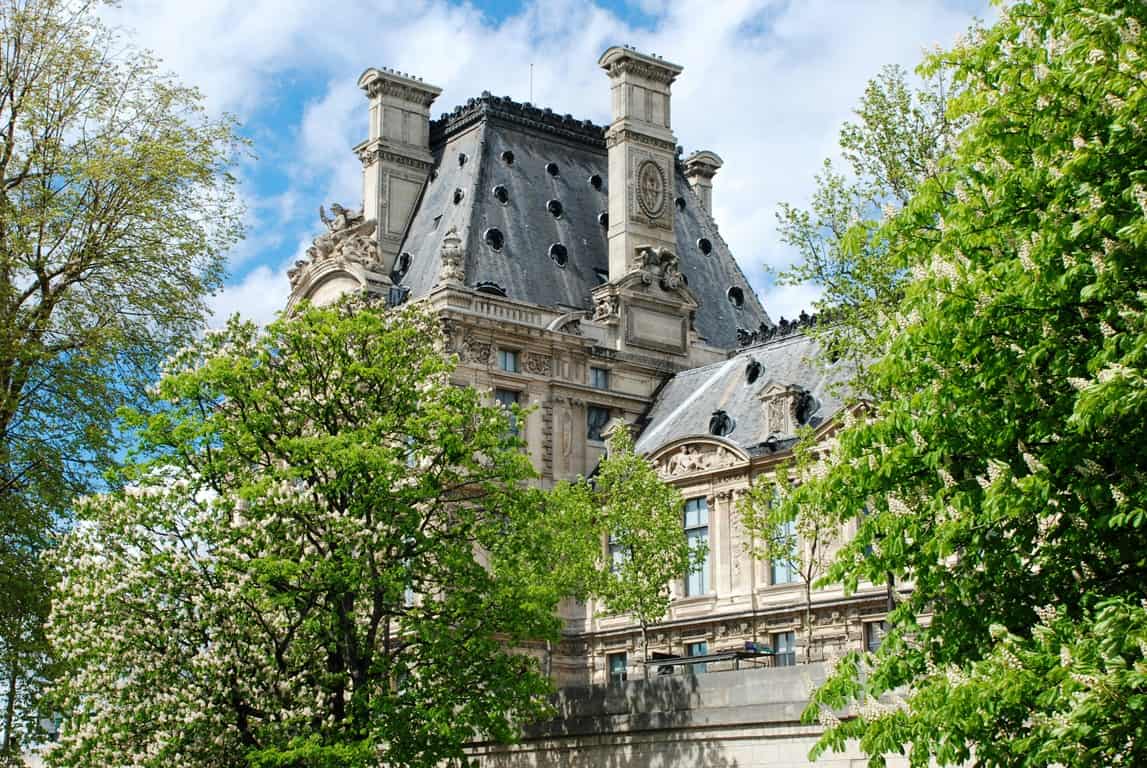
Ask Parisians when to visit their city, and most will say spring without hesitation. The logic is simple: you get mild weather (averaging 12-18°C/54-64°F), longer daylight hours after the March time change, and the city emerging from its winter hibernation. Parks and gardens become usable again, which matters more than you might think in a dense urban environment where green space is precious.
Spring also hits a sweet spot before peak tourist season. June through August brings crowds that can make popular sites genuinely unpleasant. Winter offers cheaper prices but grey skies and early sunsets. Spring balances accessibility with atmosphere—you’ll encounter other visitors, certainly, but you won’t spend your entire trip queuing or fighting for space on the Métro.
The weather is genuinely pleasant, though unpredictable. Pack layers and bring a rain jacket because April showers are real. But between the rain comes sunshine that makes the limestone buildings glow, and temperatures perfect for walking—not too hot, not cold enough to cut short your wanderings. The light in spring has a particular quality, soft and clear, that photographers specifically seek out.
Spring in Paris by the Month
Cultural events ramp up: the Printemps du Cinéma (March 22-24) offers cinema tickets for just €5, while Art Paris fair brings contemporary art to the Grand Palais. The massive Foire du Trône carnival opens March 27 at Bois de Vincennes, running through May 31—a sprawling traditional fair with rides, games, and that particular French carnival atmosphere that feels both nostalgic and timeless.
March: The Awakening
March is transitional—still cool, often grey, but with unmistakable signs of spring appearing. Early in the month, you might need a winter coat. By late March, you’re comfortable in a light jacket. The real change happens when clocks spring forward on March 29, suddenly giving you daylight until 8 PM instead of 6 PM. This shift transforms evening activities entirely.
Magnolia trees bloom first, their large white and pink flowers appearing on bare branches throughout the city. The Champ de Mars and Jardin des Plantes showcase particularly spectacular specimens. Early cherry blossoms start flowering toward month’s end, though peak bloom typically waits until April.
The Paris Marathon takes over the city on April 12, 2026, with 60,000 runners racing past the city’s most iconic monuments. Even if you’re not running, the atmosphere is electric, and watching from various points along the route gives you an excuse to explore different neighborhoods.
April: Peak Spring
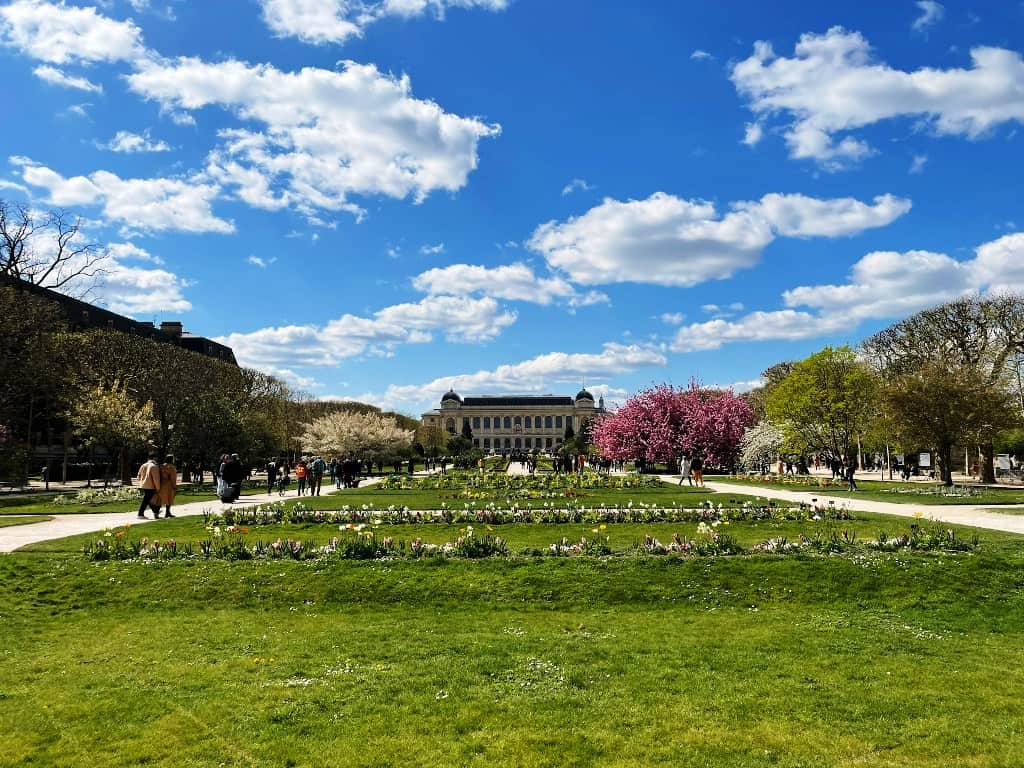
April delivers everything spring promises. Cherry blossoms reach peak bloom—typically the first or second week—transforming parks throughout the city into pink and white wonderlands. For a complete guide to finding the best cherry blossoms, see our detailed cherry blossom article with locations, timing, and an interactive map.
Easter falls on April 5-6 in 2026, bringing chocolate shops to peak form. Pâtisserie windows fill with elaborate chocolate sculptures—eggs, bells, rabbits—that showcase French chocolatiers’ artistry. Easter egg hunts happen in parks throughout the city, particularly in major gardens like Luxembourg and Tuileries. Note that Easter dates shift annually (anywhere from late March to late April), so spring timing varies each year.
The spring school holidays (April 18 – May 4 for Zone C, which includes Paris in 2026) bring families out in force. Museums offer special programming, and the city accommodates the increased activity with extended hours and family-friendly events. These vacation dates change yearly, so check the current year’s calendar if planning around French school breaks. If you’re traveling with kids, check our Paris with kids guide for age-appropriate activities and practical tips.
The Foire de Paris (April 30 – May 11) at Paris Expo Porte de Versailles is one of France’s largest annual fairs, featuring over 1,250 exhibitors across home design, gastronomy, innovation, and travel. It’s crowded and commercial but offers a fascinating glimpse of French consumer culture.
Weather in April can swing wildly—sunny and 18°C one day, grey and rainy the next. The unpredictability is part of spring’s character. Those random sunny days feel like gifts, sending everyone outside to cafés and parks.
May: Spring’s Peak
May might be spring’s perfect month in Paris. The weather stabilizes (mostly), everything is in bloom, and the city feels alive without being overwhelmed by tourists yet. Public holidays create long weekends: May 1 (Labor Day), May 8 (WWII Victory Day), and May 14 (Ascension Day in 2026, though this date varies annually) mean many Parisians take short breaks, leaving the city quieter than you’d expect.
Many of Paris’s fountains and water features are switched back on for the warmer months, typically sometime in spring. Exact start dates vary from year to year depending on weather and maintenance schedules, but by May you’ll usually find fountains flowing in major gardens like the Tuileries, Luxembourg, and Versailles. There’s something particularly springlike about water features coming back to life after winter dormancy.
Roland Garros, the French Open tennis tournament, begins May 18 and runs through early June. Even if you’re not attending matches, the tournament creates a particular energy, and watching from café terraces has become a Parisian spring tradition.
The European Museum Night (Nuit des Musées) on May 23 opens museums free until midnight, with special programming, performances, and installations. Over 1,800 museums participate, including the Louvre, Musée d’Orsay, and Centre Pompidou. The atmosphere is magical—seeing art in evening light, without crowds, transforms the museum experience.
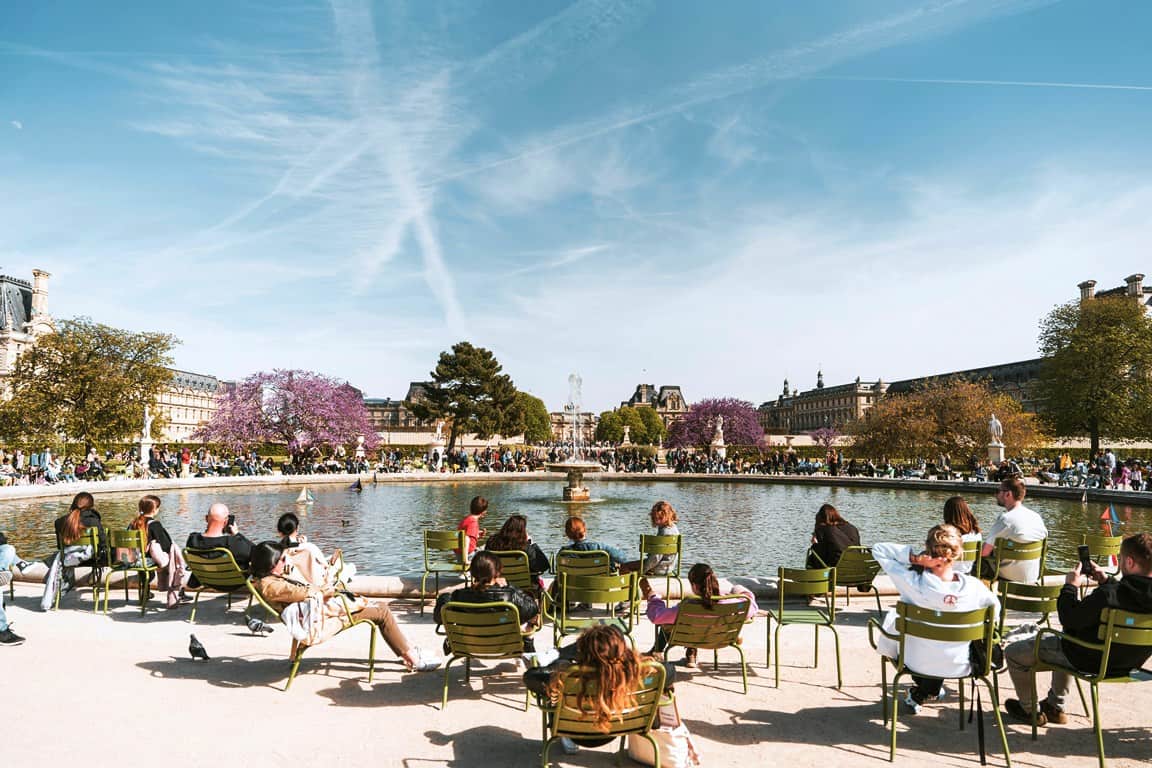
Parks are at their best in May. The Luxembourg Gardens’ famous sailboat pond sees children pushing toy boats across the water, while the rose gardens in Parc de Bagatelle begin their spectacular bloom. Late May brings consistently warm days perfect for picnics, Seine-side strolls, and those long café sessions that define Parisian life.
If you want your Paris photo spots, directions, and tips in one place, see the Paris TOP Insta Spots map inside the free Paris For You app.
What to Do in Spring in Paris
Embrace Outdoor Life
Spring is when Parisians reclaim their city’s outdoor spaces. Café terraces that spent winter empty suddenly fill with people nursing coffee or wine, watching the world pass. The ritual of sitting at a café—not for any particular purpose except to be there—makes more sense in spring when the weather invites lingering.
Parks transform from winter refuges to central social spaces. The Luxembourg Gardens, Tuileries, Buttes-Chaumont, and countless neighborhood squares become living rooms for the entire city. People picnic, read, nap, and simply exist in these green spaces in ways that winter never allows.
The Seine riverbanks come alive. The pedestrian sections—Rive Gauche from Pont de l’Alma to Pont Royal, Rive Droite from Bassin de l’Arsenal to Tuileries—host walkers, runners, dancers, and people simply sitting by the water. For a different perspective, consider a Seine river cruise. Our complete Seine cruise guide covers all options from classic tours to the practical Batobus.
Walking becomes genuinely pleasant again. Spring is ideal for exploring neighborhoods on foot—the Marais, Saint-Germain-des-Prés, Montmartre, Canal Saint-Martin. The distances feel shorter when you’re not fighting cold or heat, and you notice details that disappear in winter’s grey or summer’s oppressive sun.
Gardens and Flowers
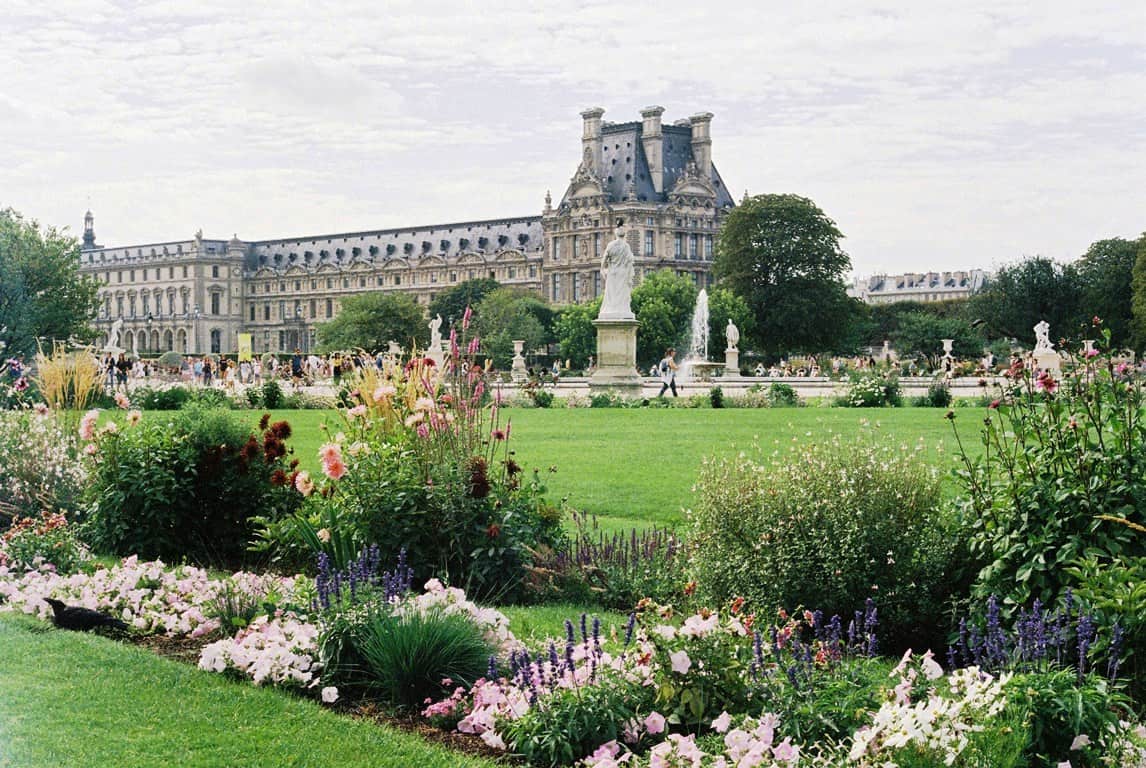
Spring is Paris’s flower season, and the city takes this seriously. Beyond the famous cherry blossoms, you’ll find:
Versailles Gardens open for free one last time on March 31 before summer fees begin. The gardens in spring, with early blooms and fewer crowds, offer a completely different experience than summer’s packed grounds.
Monet’s House and Gardens in Giverny opens April 1, with spring flowers creating the scenes Monet painted. It’s a day trip from Paris (about an hour by train), but spring is absolutely the time to go—the gardens are designed for this season.
Tulips appear in formal gardens throughout April—the Tuileries creates elaborate displays that change annually, while parks like Parc Floral de Paris showcase hundreds of varieties.
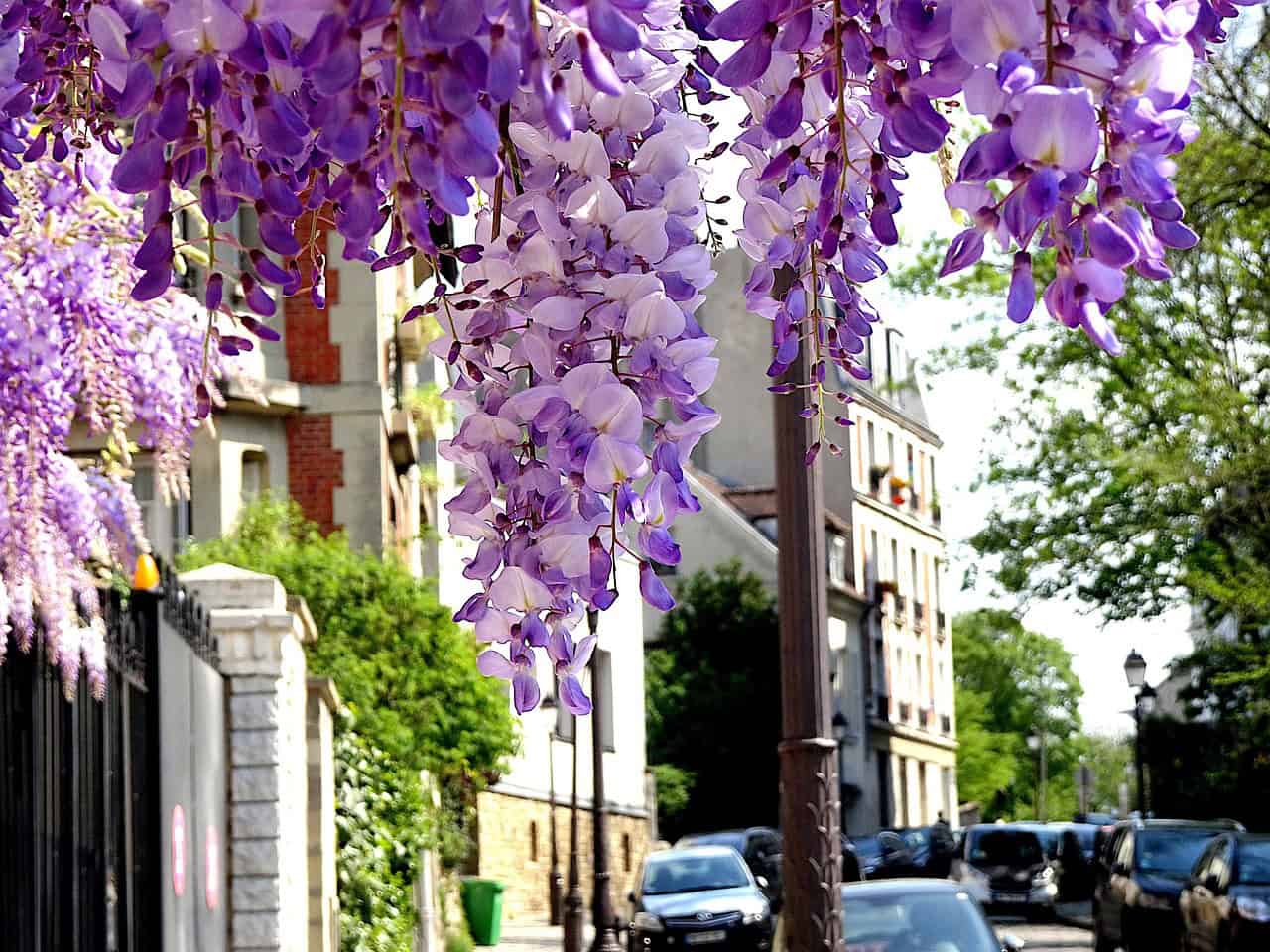
Wisteria drapes buildings and pergolas in May, its purple cascades appearing throughout the city. The Promenade Plantée (Paris’s elevated park, similar to New York’s High Line) features particularly beautiful specimens.
For complete coverage of where to find spring blossoms—cherry, magnolia, almond, and more—see our spring blossom guide with an interactive map of all locations.
Cultural Events and Festivals
Spring brings Paris’s cultural calendar to life. Museums mount major exhibitions timed for the season: the Matisse exhibition at Grand Palais (through April), photography festivals, and numerous gallery openings in the Marais and Saint-Germain.
The European Museum Night in May offers a rare opportunity to experience major museums in a completely different atmosphere. Seeing the Louvre at 11 PM, with performances and installations throughout, reveals the building’s theatrical qualities in ways daylight visits never can.
Music fills the city—jazz festivals, classical concerts in historic churches, and the beginning of outdoor concert season. The Philharmonie de Paris programs family concerts, making culture accessible even if you’re traveling with children.
Market season intensifies. Weekend markets—organic at Boulevard Raspail, antiques at Porte de Vanves, flowers at Île de la Cité—become genuine outings rather than quick errands when weather permits browsing and lingering.
Food and Seasonal Eating
Spring produces transform Parisian menus. Asparagus appears everywhere—white, green, grilled, in tarts, simply prepared with hollandaise. Strawberries from local producers start showing up in markets, small and intensely flavored. Lamb features on Easter menus, paired with early spring vegetables.
Terraces make dining more pleasurable. The same meal that felt rushed in winter becomes an experience when you can sit outside, watch people pass, and take your time. Bistros open their sidewalk seating, often with heat lamps for cool evenings.
Markets overflow with seasonal produce. Shopping at markets—buying ingredients for picnics, sampling cheeses, choosing fruit—becomes part of the Paris experience rather than just provisioning. The interaction with vendors, the sensory overload of colors and smells, the very French-ness of it all feels more accessible when you’re not hurrying through cold or rain.
Practical Spring Tips
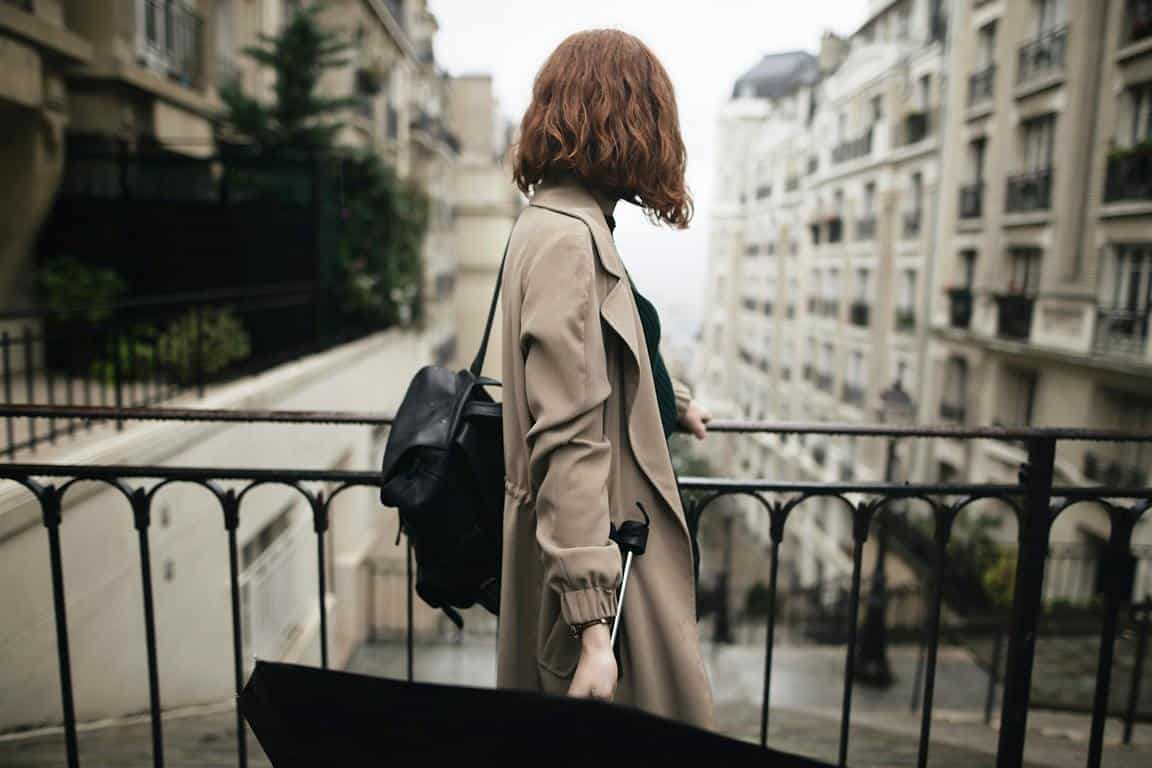
What to pack: Layers are essential. A light rain jacket, comfortable walking shoes that handle rain, and clothes you can add or remove as temperatures shift throughout the day. Parisians don’t dress in heavy winter coats but haven’t switched to full summer clothes either—think smart casual that works indoors and out.
Crowds: Spring attracts visitors, but it’s manageable compared to summer. Easter week and the April school holidays see increased traffic at major sites. Book popular restaurants in advance, and visit major museums either early morning or late afternoon when tour groups have moved on.
Daylight: After late March, you have usable daylight until 8 PM or later. This changes what you can accomplish in a day—you’re not racing against 5 PM darkness anymore. Evening walks become part of the rhythm rather than something you sacrifice.
Rain: It will rain. Probably several times. Parisians don’t let this stop them—they carry umbrellas, duck into cafés, and continue with their plans. The rain is rarely all-day affairs; it’s showers that pass. Have a backup plan (a museum, a covered passage, a long lunch) but don’t let rain derail your trip.
Accommodation: Spring prices sit between winter lows and summer peaks. Book ahead for Easter and May holidays, but you’ll find better rates than July or August. Consider staying slightly outside the absolute center—neighborhoods like the 11th, 12th, or 18th offer character, good prices, and easy Métro access.
Why Spring Matters
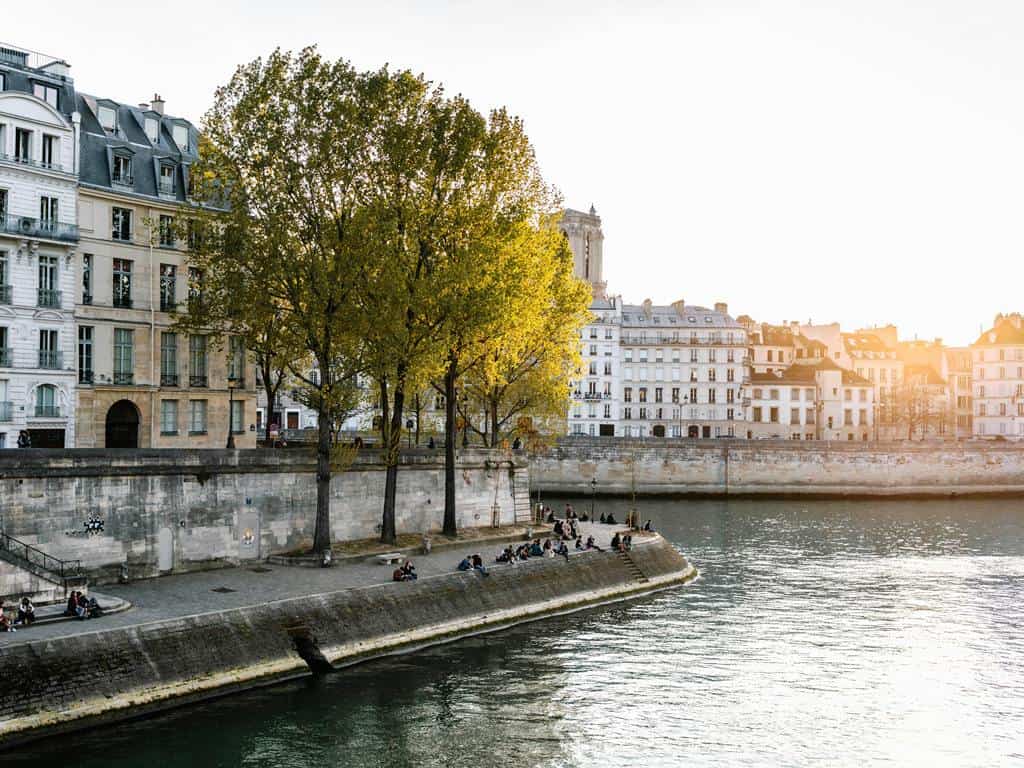
The cliché about Paris in springtime persists because it’s true. Something about the combination of elements—the weather, the light, the flowers, the outdoor life returning—creates the version of Paris that lives in collective imagination. The city feels most itself, most accessible, most worth visiting.
Winter Paris has its charms but requires more effort—shorter days, colder weather, less outdoor life. Summer offers reliable sunshine but brings heat, crowds, and a city somewhat overwhelmed by tourism. Fall provides beautiful weather but lacks spring’s sense of awakening. Spring hits the sweet spot: Paris emerging from winter, showing its best qualities, before summer crowds arrive.
The season’s brevity adds to its appeal. Spring is fleeting—cherry blossoms last a week, perfect weather windows come and go, the whole season passes in three months. This creates a sense of occasion that permanent summer climates lack. You’re catching something special, something temporary, something worth planning around.
Whether you’re visiting Paris for the first time or returning for your tenth trip, spring reveals aspects of the city that other seasons hide. The parks matter more. The café culture makes sense. The beauty feels earned rather than given. The City of Light, in spring, lives up to its name.
Download the Paris For You App
Paris For You app brings together must-see places, themed maps and practical tips in one app. Ideal for first-time visitors and for those who want to explore beyond the obvious.
Download on iPhone
Download on Android


