




Updated on 26 July 2026
The first time you take a boat down the Seine, something clicks. Maybe it’s realizing that all those beautiful buildings along the riverbank were actually designed to be seen from the water. Or the way the Eiffel Tower suddenly appears around a bend, perfectly framed by the bridge you’re passing under. Whatever it is, you understand why this particular tourist activity has endured for decades—it genuinely works.
The Seine isn’t just scenery running through Paris. It’s the reason the city exists in the first place. Paris grew from a settlement on Île de la Cité, a small island in this river, and everything that followed was built with the Seine in mind. The grand palaces, the ornate bridges, the carefully planned quays—all of it faces the water. A boat trip reveals what walking can’t: the city as it was meant to be seen.
The Seine: More Than Just Paris
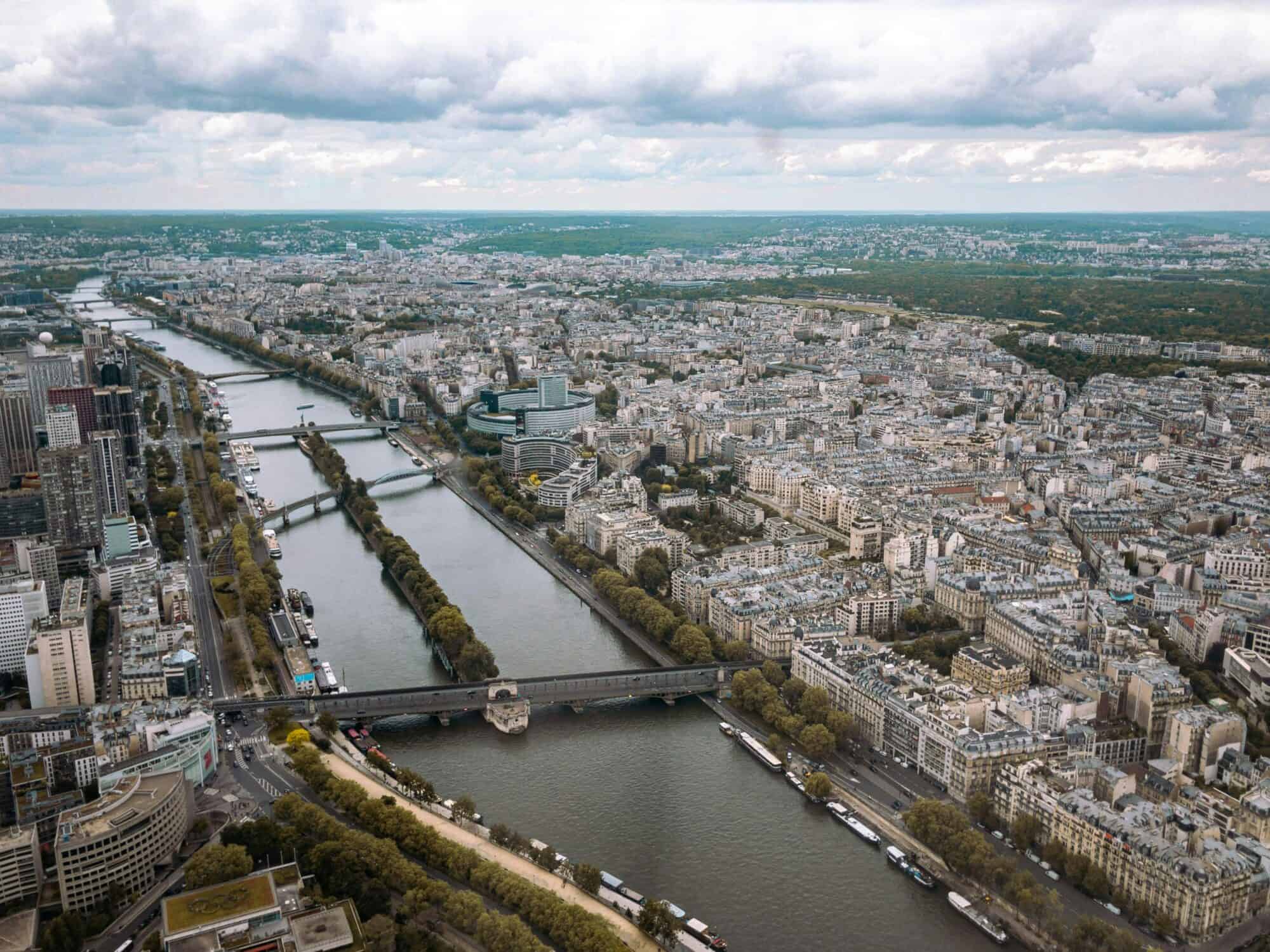
The Seine stretches 777 kilometers from Burgundy to the English Channel, making it France’s second-longest river. The Romans built their settlement of Lutetia (ancient Paris) on Île de la Cité precisely because the island offered a defensible position along this crucial waterway. The river’s name likely comes from Sequana, a Gallo-Roman goddess worshipped at its source.
In Paris, the Seine averages about 30 meters wide and maintains enough depth for commercial barges and tourist boats to navigate comfortably. The current is gentle—you won’t feel seasick even if you usually do on boats. The city manages the flow carefully with upstream reservoirs, a lesson learned from the catastrophic 1910 flood that submerged much of Paris for two months.
What matters for your visit: this is a working river that’s been central to Parisian life for over 2,000 years. The bridges, quays, and buildings along its banks weren’t designed as tourist attractions—they were built for people who lived and worked alongside the water. That’s what makes viewing them from a boat feel less like sightseeing and more like discovering the city’s actual bones.
Classic Sightseeing Cruises: The Foundation
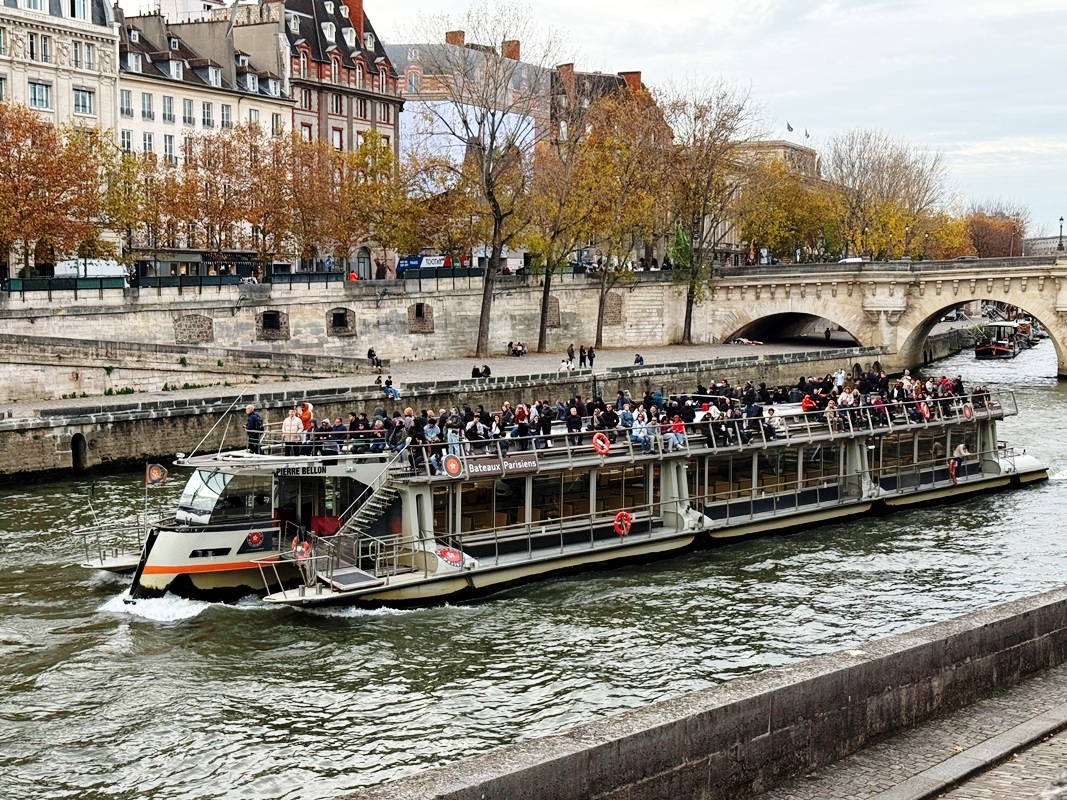
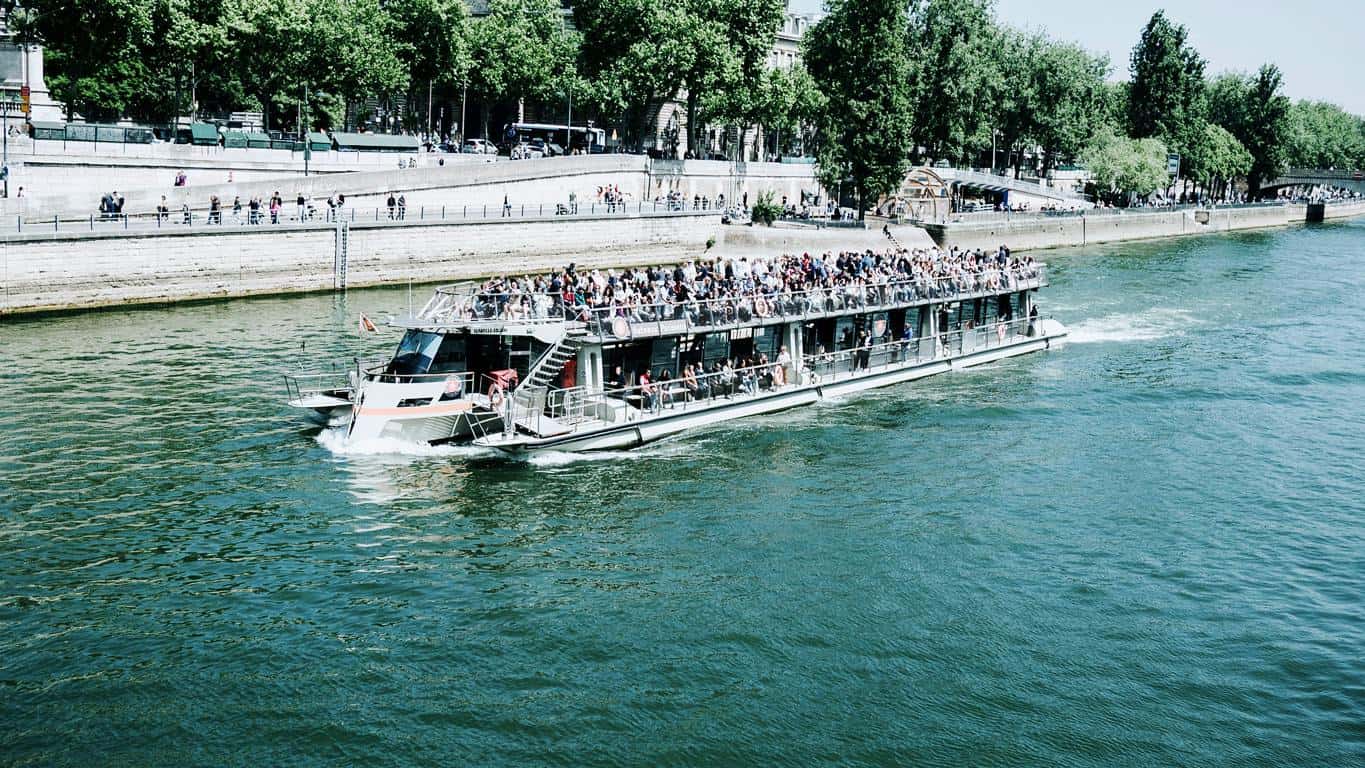
The standard one-hour Seine cruise is what most people picture: glass-topped boats carrying a few hundred passengers, departing regularly from docks near the Eiffel Tower or Île de la Cité. Bateaux Parisiens, Bateaux Mouches, and Vedettes du Pont Neuf are the major operators, and they’ve perfected this format over decades.
The route covers central Paris both upstream and downstream, passing Notre-Dame, the Louvre, Musée d’Orsay, Hôtel de Ville, and returning to view the Eiffel Tower from the water. Audio guides in multiple languages provide historical context, and while the narration can be a bit touristy, it genuinely helps you understand what you’re seeing.
Here’s the honest truth: yes, these boats are packed with tourists. Yes, it’s a well-worn tourist activity. And yes, it’s absolutely worth doing anyway. The view from the water offers something you simply can’t get from the street—perspective on how Paris was designed as a riverside city. Buildings that seem randomly placed on foot suddenly make sense when you see how they relate to the river.
Prices hover around €15-20 for the basic one-hour cruise, which is reasonable for what you get. Evening cruises cost slightly more but show the city illuminated—and Paris at night from the water is genuinely special. The boats run year-round, though winter schedules are lighter.
A few practical tips: the middle sections of the boat often have better views than the front rows everyone rushes for. Less sun glare on the glass, better angles for photos. Also, if you’re choosing between departure points, Pont Neuf boats tend to be smaller and feel slightly more intimate than the massive vessels at the Eiffel Tower dock.
Dinner Cruises: Floating Restaurants
Seine dinner cruises occupy a different category entirely. Companies like Bateaux Parisiens and Capitaine Fracasse offer multi-course meals served while cruising the river, typically lasting 2-3 hours. These are formal affairs—dress codes apply, and prices start around €80 and quickly climb to €200+ depending on menu and seating.
The food quality varies considerably. The most expensive options can deliver genuinely good French cuisine with proper service and wine pairings. Budget options tend toward banquet-style cooking that prioritizes quantity and consistency over culinary excellence. Read recent reviews carefully before booking.
The real question: is eating on a boat better than eating at a riverside restaurant? Honestly, it depends on your priorities. The cruise offers constantly changing views and the novelty of dining on water. A riverside restaurant provides better food, more atmosphere, and the ability to linger without being governed by the boat schedule.
If you do book a dinner cruise, evening departures around sunset offer the best of both worlds—dining in daylight as you start, then seeing Paris illuminated as you finish. Request window seating when booking; interior tables defeat the purpose.
Batobus: The Practical Option
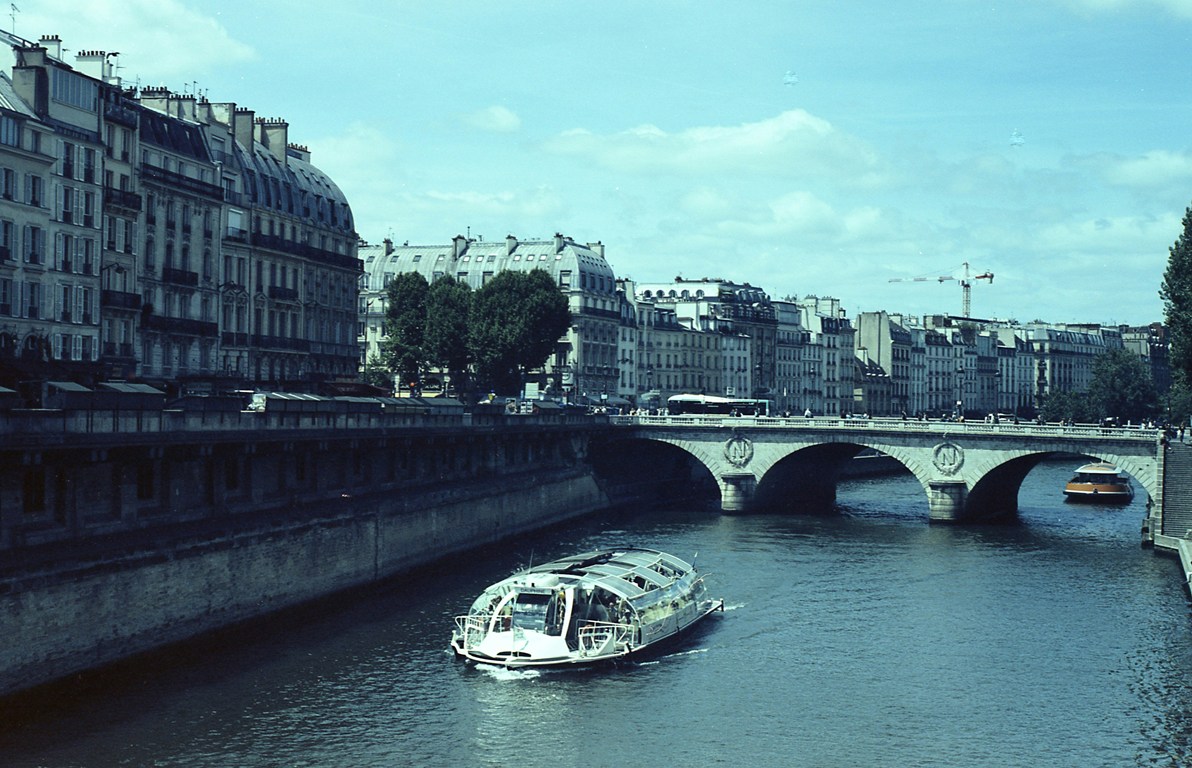
Batobus operates a hop-on-hop-off boat service that’s less about sightseeing and more about transportation. Nine stops along the Seine connect major attractions: Eiffel Tower, Champs-Élysées, Musée d’Orsay, Saint-Germain-des-Prés, Notre-Dame, Jardin des Plantes, Hôtel de Ville, Louvre, and Beaugrenelle.
Day passes cost around €19 (adult) and allow unlimited use. Boats run approximately every 20-30 minutes during peak season, less frequently in winter. The journey between stops takes 10-25 minutes depending on distance.
Batobus serves a different purpose than sightseeing cruises. It’s genuinely useful for getting around Paris, especially if your hotel is near one of the stops. The boats are open-air (covered in bad weather), smaller than tour boats, and there’s no commentary. You simply ride from point to point like an aquatic bus.
The real value comes from combining transportation with experience. Instead of taking the Métro from the Louvre to the Eiffel Tower, take the Batobus and enjoy 25 minutes on the river. You’re traveling anyway—why not make it pleasant?
Best for: Families with tired feet, anyone staying multiple days who wants flexible transport, and people who prefer independent exploration over guided tours.
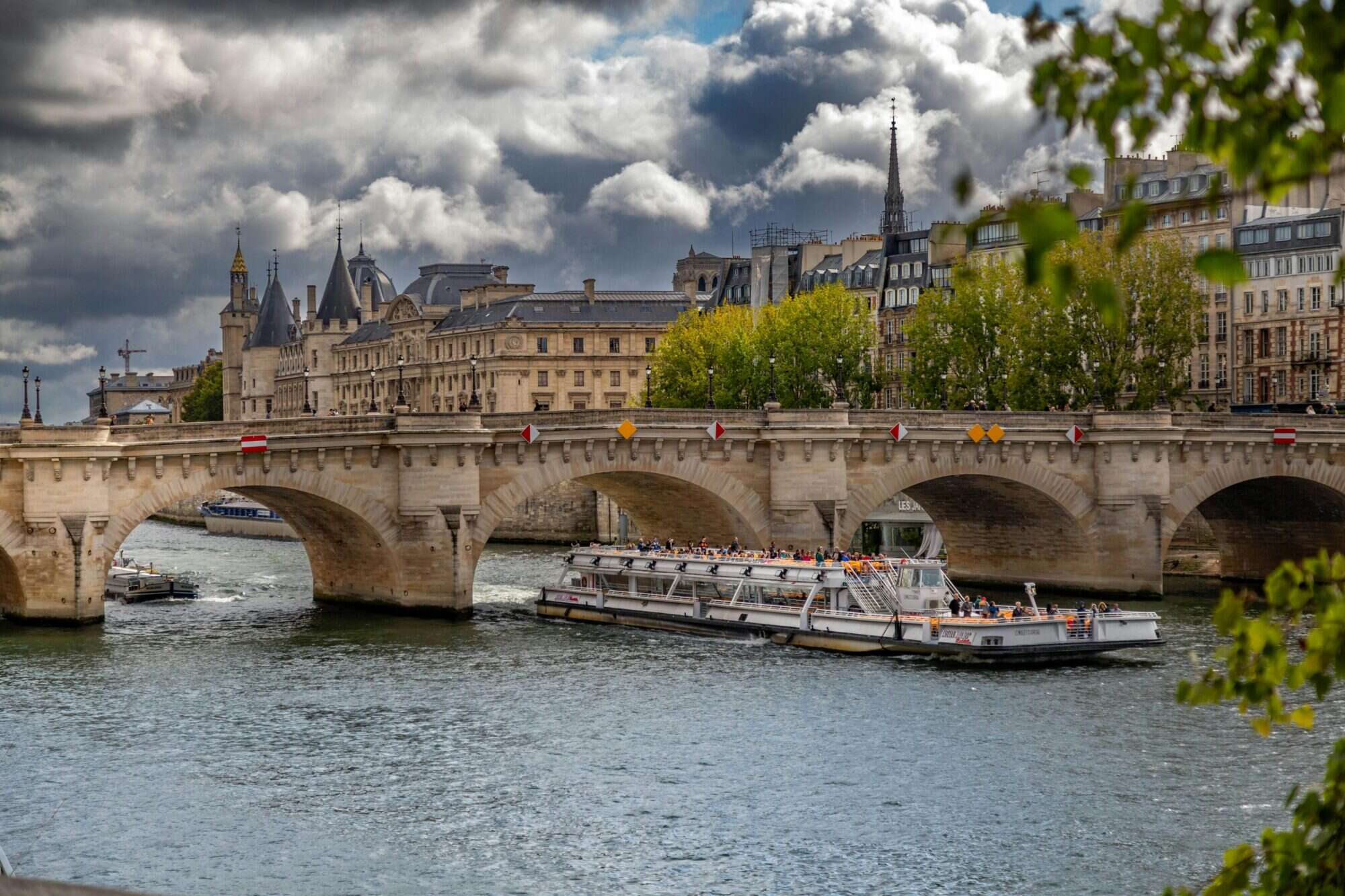
Which Seine River Cruise Should I Choose?
- Classic Sightseeing Cruise
- Batobus Hop-on-Hop-off
- Dinner Cruise
Classic Sightseeing Cruise – Best for first-time visitors and those wanting a comprehensive overview. One hour, €15-20, audio guides in multiple languages. Perfect for understanding Paris’s layout and seeing all major monuments from the water.
Batobus Hop-on-Hop-off – Best for independent travelers who want flexibility. Day pass around €19, nine stops along the river. Ideal if you’re using it as actual transportation between attractions while enjoying the river views.
Dinner Cruise – Best for special occasions. 2-3 hours, from €80-200+. Choose this when celebrating something significant and willing to pay premium prices for the experience. The view is spectacular, but the food quality varies—read recent reviews carefully.
Quick recommendation: For most visitors, start with a basic one-hour sightseeing cruise. It’s affordable, requires minimal planning, and delivers exactly what you’re hoping for. You can always do more elaborate options on return visits.
Smaller and Alternative Cruises
Beyond the major operators, smaller companies offer more intimate experiences. Vedettes de Paris uses smaller boats (maximum 12 passengers) for more personal tours. Paris en Scène operates vintage wooden boats for a different aesthetic entirely.
Private boat rentals are possible through companies like Boaty Paris or Rentalboat, where you can hire a small electric boat for your group. These self-drive boats require no license and putter along at a gentle pace. They’re limited to certain sections of the Seine and the Canal Saint-Martin, but offer complete freedom to go at your own pace. Prices start around €90 for a few hours.
For something completely different, consider combining a Seine cruise with the Canal Saint-Martin. Some operators offer longer tours that leave the Seine and navigate the canal’s locks and bridges—a fascinating glimpse of a different side of Paris.
What You’ll Actually See
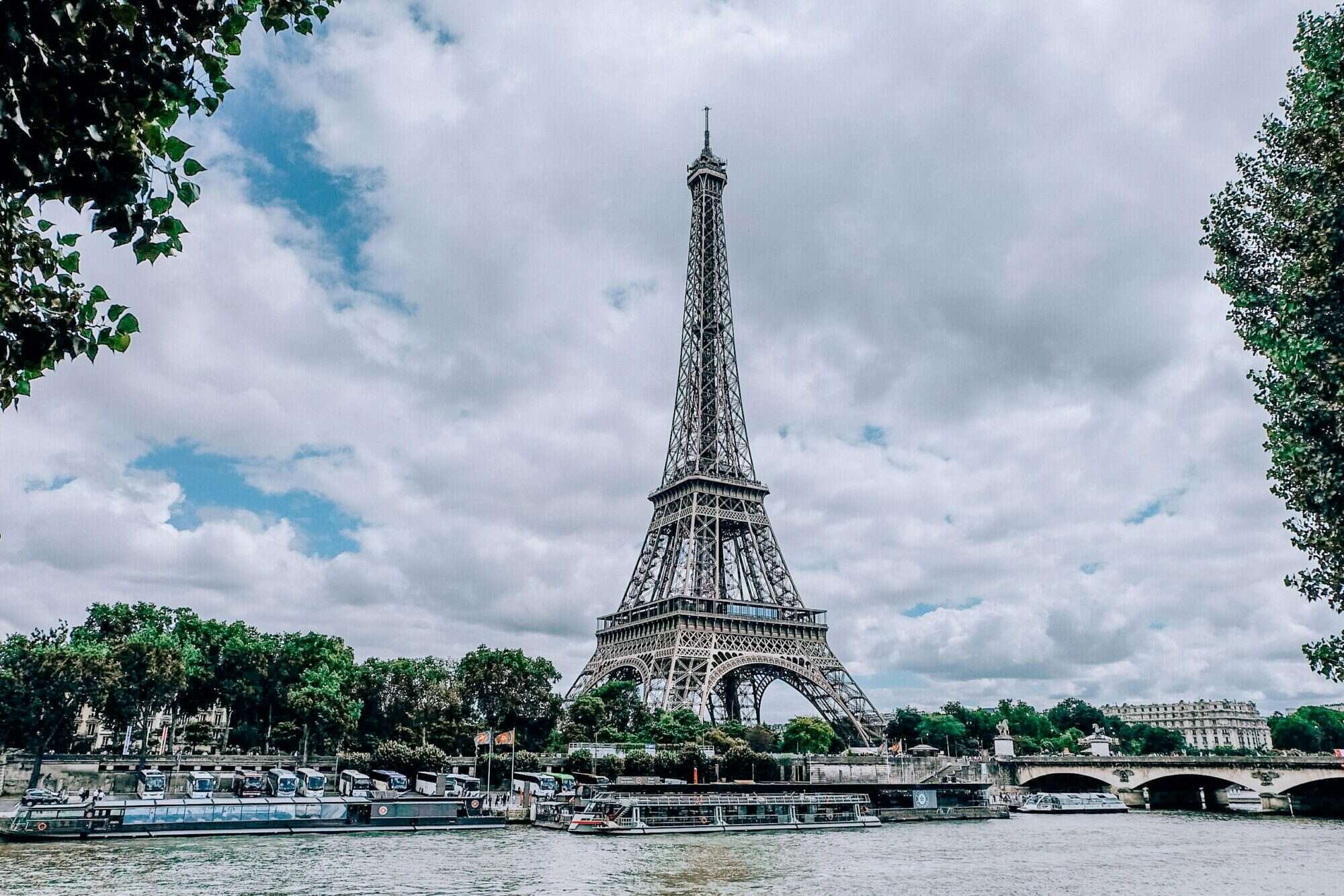
The typical Seine cruise route covers about 10 kilometers of river through central Paris. Here’s what appears along the way:
Île de la Cité and Île Saint-Louis: The historic heart of Paris, with Notre-Dame dominating the Île de la Cité. The restored cathedral is once again the centerpiece, its Gothic architecture even more impressive from water level.
The Bridges: Paris has 37 bridges crossing the Seine. Each has character—the ornate Pont Alexandre III with its golden statues, the medieval Pont Neuf (ironically the oldest despite meaning “new bridge”), and the modern footbridge Passerelle Simone-de-Beauvoir.
Major Museums: The Louvre appears as an imposing palace along the Right Bank. The Musée d’Orsay’s distinctive clock face overlooks the Left Bank. These buildings were designed to be seen from the river, and their grandeur makes more sense from this angle.
Eiffel Tower: It dominates the western section of the cruise route. From the water, you appreciate its engineering—the iron latticework, the careful proportions, the way it anchors the cityscape.
Hôtel de Ville and Conciergerie: The wedding-cake City Hall and the medieval fortress where Marie Antoinette was imprisoned show Paris’s architectural range.
Practical Considerations
Timing: Spring and fall offer the best balance of pleasant weather and manageable crowds. Summer sees boats packed with tourists. Winter cruises are atmospheric but cold—dress warmly even with heated covered areas.
Duration: One-hour cruises are sufficient for most people. Longer tours don’t necessarily show more—they just cover the same route more slowly or repeatedly.
Booking: Major operators allow walk-up tickets except during peak season (June-August). Booking online usually offers small discounts. Batobus passes can be purchased at any stop.
Accessibility: Most large cruise boats are wheelchair accessible, with ramps and designated spaces. Smaller boats may have limitations—check in advance.
Photography: The constantly moving boat and reflective glass canopies create challenges. Outside deck areas (when available) offer better photo opportunities. Morning light generally works better than harsh afternoon sun.
Paris feels a lot simpler when landmarks, museums, cafés, parks, and hidden spots are already organized for you.
Is It Worth It?
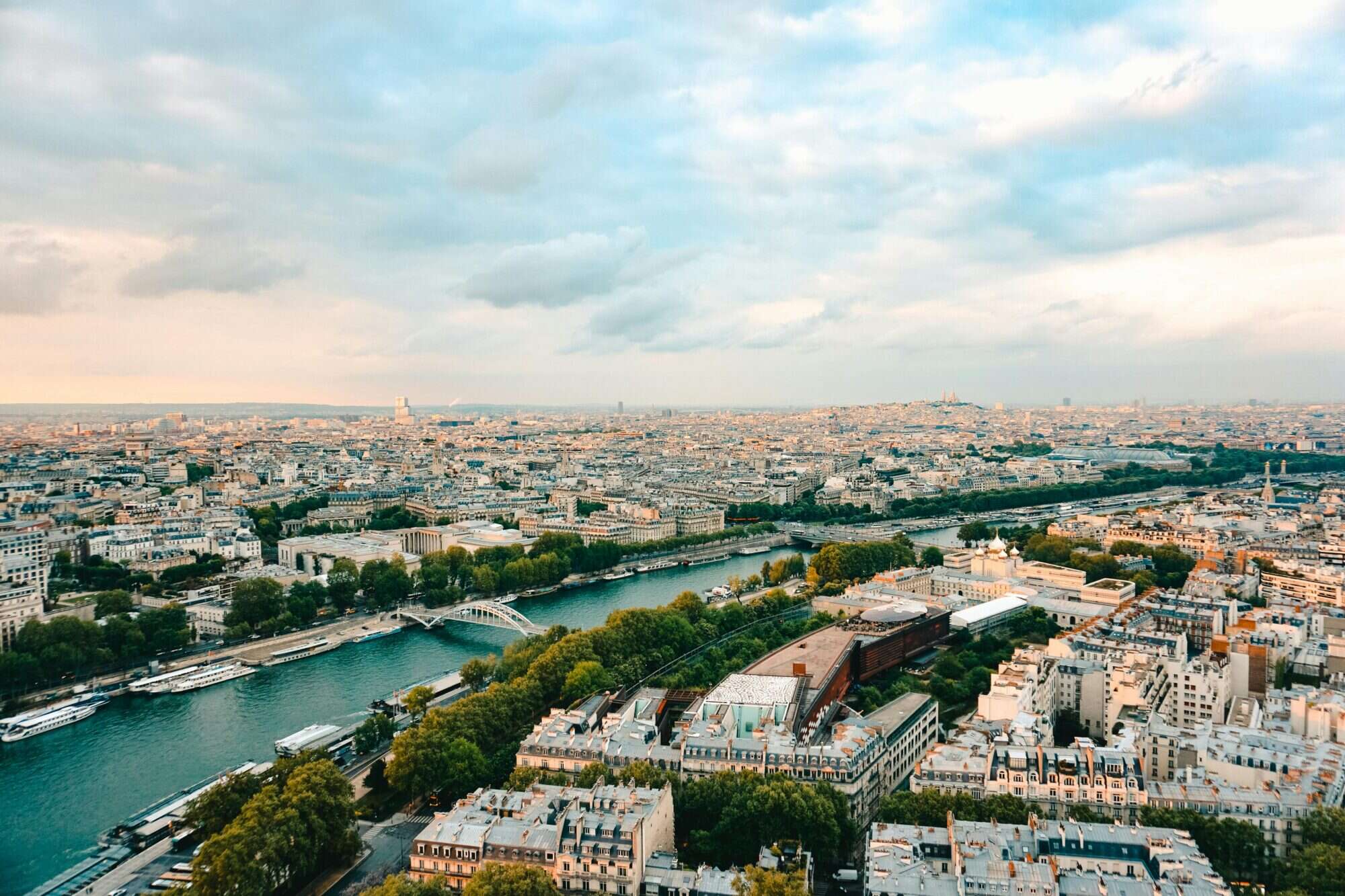
Absolutely. This is one of those rare tourist activities that lives up to its reputation. A Seine cruise offers a legitimately different way to experience Paris—not just a novelty, but a perspective that changes how you understand the city’s layout and design.
Even if you’ve been to Paris multiple times, the river view reveals new things. You notice how buildings relate to each other across the water. You see the care that went into designing bridges. You understand why certain monuments were placed where they are. And sometimes, on a perfect evening with the light just right, you get why people keep coming back to this city.
For first-time visitors, a basic one-hour cruise should be on your list. It orients you to the city’s geography, shows you the major sights from a fresh angle, and gives your feet a rest. For repeat visitors, try a different time of day or season—the same route looks completely different in winter fog versus summer sunset.
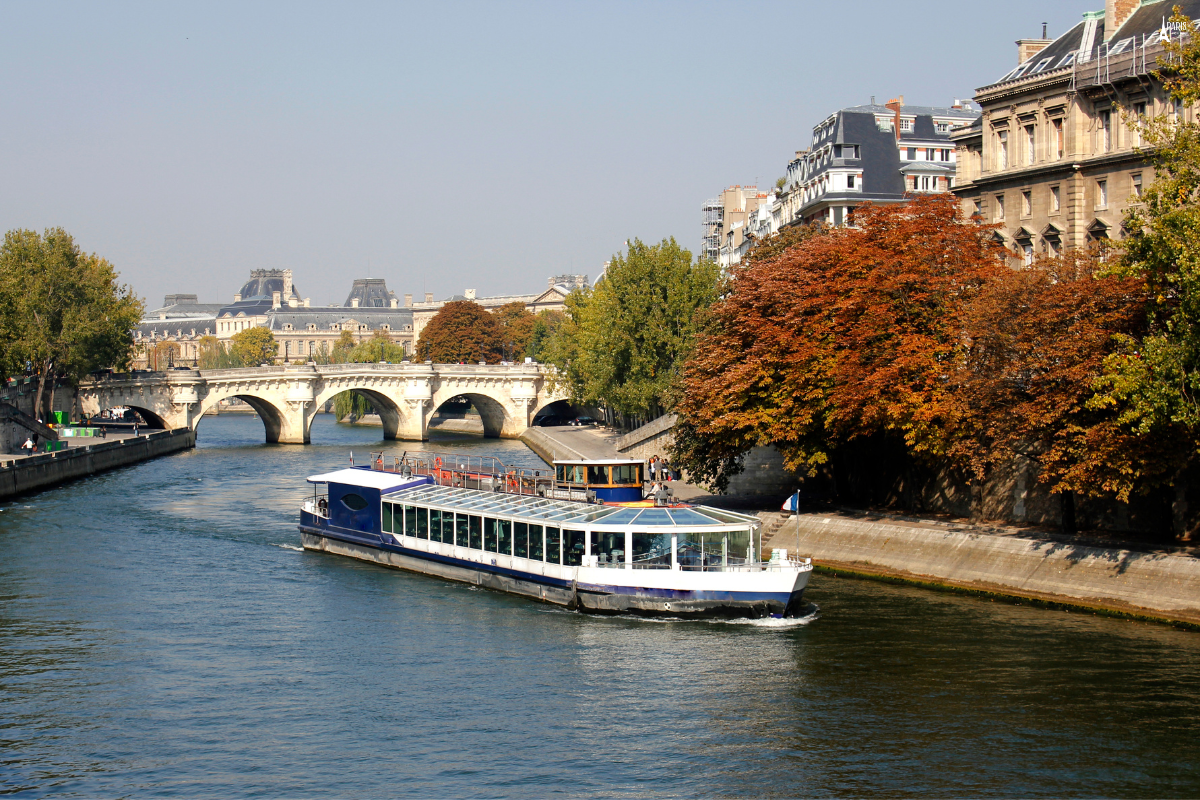
Walking along the Seine’s banks offers its own pleasures and costs nothing. The riverside parks and pedestrian sections give you similar views at your own pace. But there’s something about being on the water itself, moving with the current, seeing Paris from where it was designed to be seen. It’s not about checking off a bucket list item—it’s about experiencing the city in a way that actually adds to your understanding of it.
The Seine shaped Paris. Spending an hour floating on it helps you see how.
Want to explore Paris with a clear plan?
Download the Paris For You app and use maps, routes and recommendations directly on your phone — even offline.
Download on Android
Download on iPhone


