




Updated on 26 July 2026
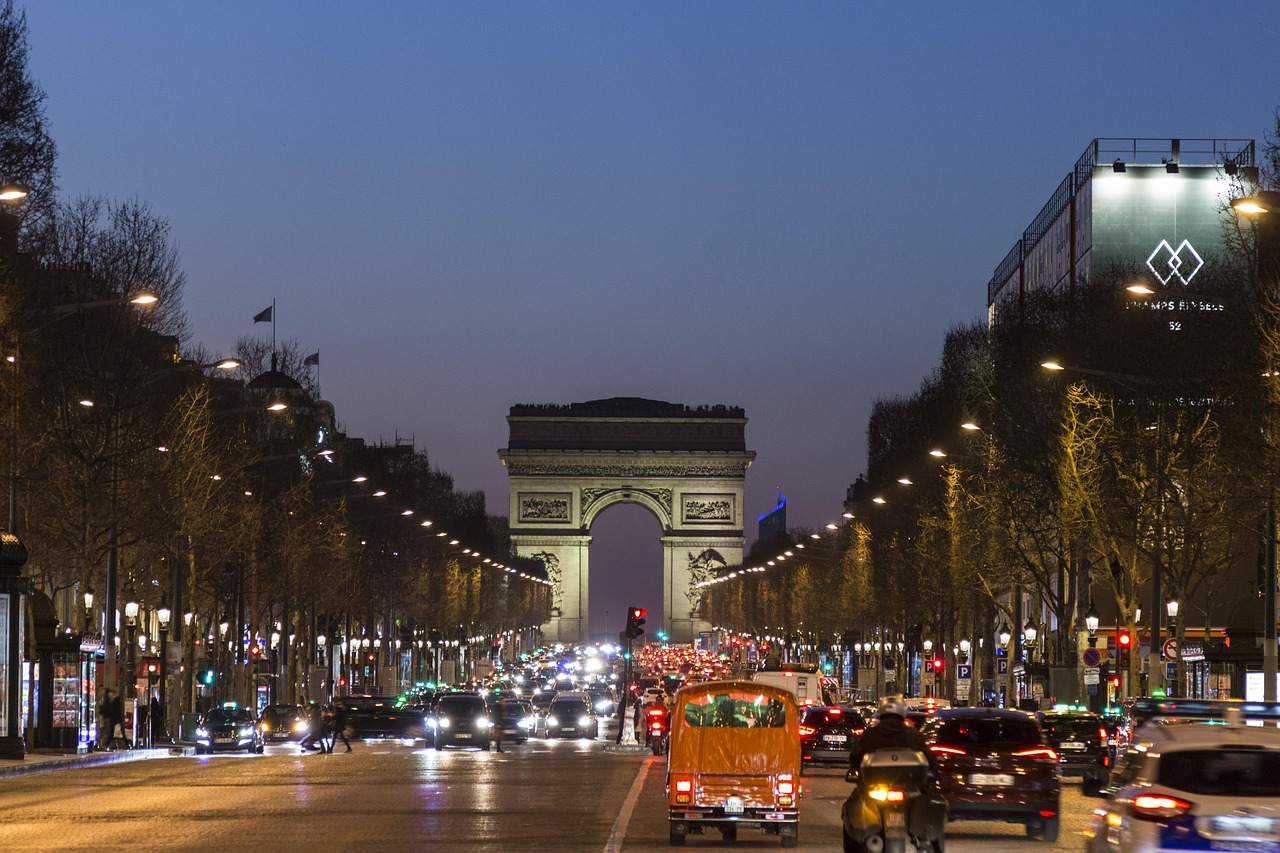
There’s something undeniably magical about stepping onto the Champs-Élysées for the first time. The avenue stretches before you like a grand corridor through history itself, spanning 1.2 miles from the Place de la Concorde to the Arc de Triomphe. This isn’t just another Parisian street—it’s where France celebrates its triumphs, where fashion meets history, and where millions of visitors each year discover why this boulevard earned its title as “the most beautiful avenue in the world.”
From Marshland to Magnificence
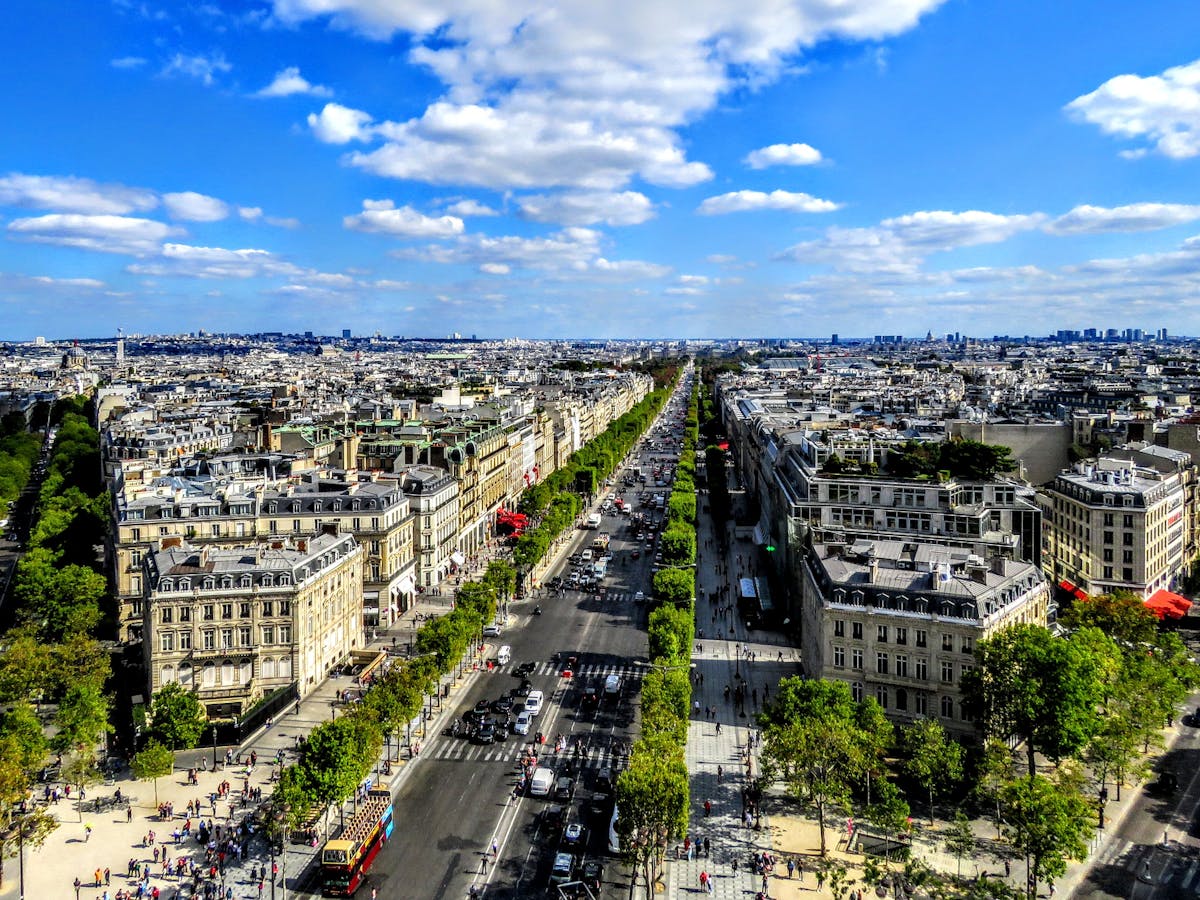
The story of the Champs-Élysées begins not with grandeur, but with humble fields and kitchen gardens. In 1667, King Louis XIV commissioned André Le Nôtre—the visionary landscape architect who designed the gardens of Versailles—to extend the Tuileries Garden westward. Le Nôtre planted rows of elm trees and created a broad promenade that would eventually become the backbone of this legendary avenue.
The name “Champs-Élysées” was officially adopted in 1709, borrowing from Greek mythology’s Elysian Fields—the paradise where heroes and virtuous souls went after death. Originally called “le Grand Cours,” the avenue’s transformation from a royal pathway to an urban marvel took more than a century. By the 18th century, wealthy Parisians began building elegant townhouses along its length, including the opulent Élysée Palace in 1718, which later became the official residence of the French President.
In 1828, the Champs-Élysées officially became city property. The municipal council installed paved footpaths, fountains, and gas lamps, transforming the tree-lined promenade into a modern boulevard that would captivate generations to come.
Where History Unfolds

Standing at the western end of the avenue, the Arc de Triomphe commands attention with its imposing presence. Napoleon commissioned this monument after his victory at the Battle of Austerlitz, though he never saw its completion. The structure remained unfinished when Napoleon fell from power in 1815, finally being completed in 1836 under King Louis Philippe. Today, visitors can climb its 284 steps for sweeping views across Paris, where twelve avenues radiate outward like spokes on a wheel.
The Champs-Élysées has witnessed countless historic moments that shaped France and the world. After the French Revolution in 1789, the avenue became a site of celebration. Today, it continues to host major national events, including the spectacular Bastille Day military parade every July 14, watched by millions.
The Avenue of Champions
Every July, the world’s greatest cycling race culminates on the Champs-Élysées. Since 1975, the Tour de France has finished on this iconic avenue, with riders completing multiple laps before sprinting toward the final finish line. The sight of exhausted cyclists racing down the avenue, cheered by roaring crowds lining the street, creates an electric atmosphere unlike any other sporting event.
The avenue also serves as the starting point for the Paris Marathon, adding another layer to its athletic heritage. These sporting traditions have cemented the Champs-Élysées as a place where human achievement and determination are celebrated on a grand scale.
Architectural Treasures
At the eastern end near Place de la Concorde, two magnificent structures bookend the avenue’s cultural offerings. The Grand Palais and Petit Palais were both built for the 1900 Universal Exposition and showcase stunning Beaux-Arts architecture. The Grand Palais features a spectacular 240-meter-long nave with a glass and cast iron roof that floods the space with natural light. After extensive renovations, it hosts world-class exhibitions and events.
The Petit Palais houses a permanent art collection and rotating exhibits, offering visitors a quieter counterpoint to the avenue’s bustle. Between these cultural anchors, the Champs-Élysées Gardens provide a green respite with fountains and sculptures, perfect for a moment of reflection.
If you’re planning a trip to Paris, Paris For You app helps you explore the city with ease. Maps, routes and practical tips are all in one app and work offline.
Shopping in Style
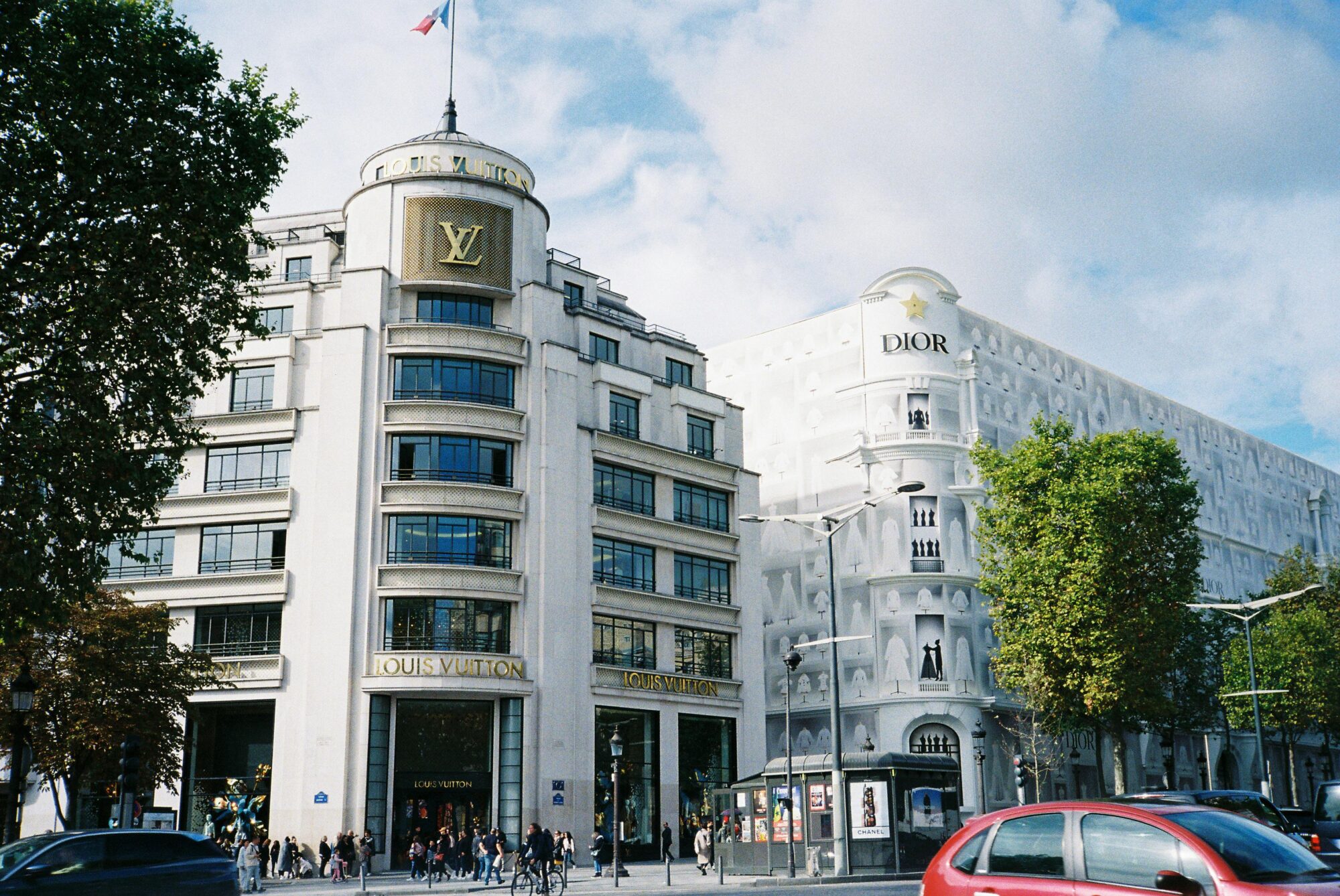
The Champs-Élysées ranks as the world’s fifth most expensive retail location, with annual rents averaging €12,500 per square meter. This exclusivity has attracted flagship stores from the world’s most prestigious brands. Louis Vuitton, Cartier, Dior, Guerlain, Tiffany & Co., and Chanel all maintain prominent boutiques along the avenue.
Here’s an interesting detail: rents on the northern side of the avenue command higher prices than the southern side because those storefronts receive more sunlight throughout the day. Even if luxury shopping isn’t in your budget, window browsing these architectural marvels of retail is an experience in itself. You’ll also find more accessible options like Nike, Zara, and Sephora mixed among the haute couture boutiques.
The avenue stretches 1,910 meters long and 70 meters wide, providing ample space for leisurely strolling between shops. The Disney Store offers a fun stop for families, while the Galeries Lafayette department store provides a one-stop shopping destination.
Entertainment and Culture
The Champs-Élysées has been synonymous with Parisian entertainment for generations. The Lido de Paris continues the tradition of classic French cabaret shows, complete with elaborate costumes and choreography. The Théâtre des Champs-Élysées presents ballet, opera, and classical concerts in an intimate setting.
For cinema lovers, the Cinéma Gaumont Champs-Élysées offers a modern moviegoing experience in one of Paris’s most prestigious locations. The Théâtre Marigny and Théâtre du Rond Point provide additional options for live performances.
Just steps from the avenue, the Palais de la Découverte science museum engages visitors of all ages with interactive exhibits. This variety ensures that whether you’re passionate about performing arts, film, or science, the Champs-Élysées neighborhood offers something compelling.
Seasonal Magic
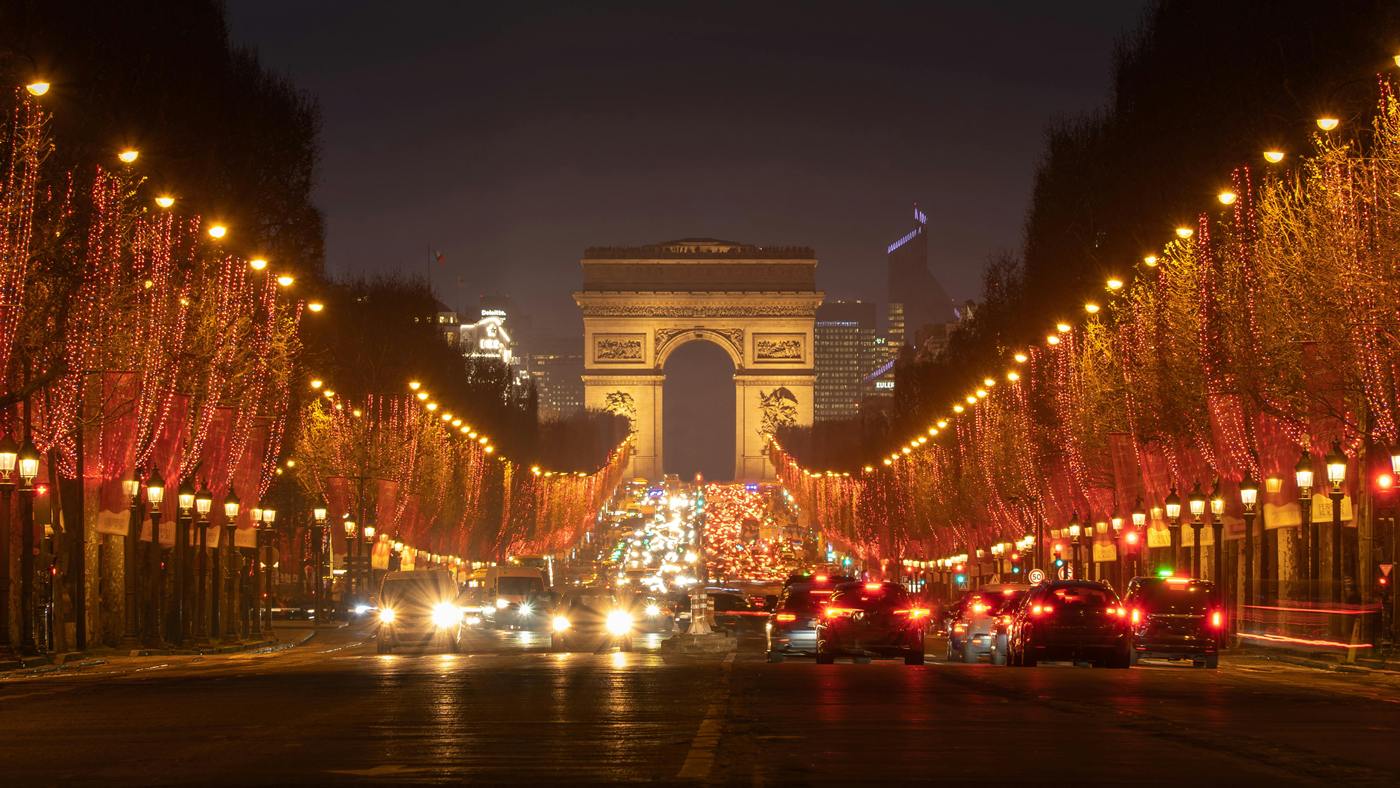
The avenue transforms throughout the year, each season bringing its own character. During the winter holidays, the Champs-Élysées Committee orchestrates magical Christmas illuminations spanning more than two kilometers. Commercial brands compete to create the most spectacular light displays, turning the avenue into a glowing wonderland. The Christmas market fills with festive stalls offering seasonal treats, crafts, and warming beverages.
On New Year’s Eve, the avenue opens to a million people who gather to welcome the new year together. The celebration creates an atmosphere of hope and possibility as fireworks illuminate the Arc de Triomphe and the Parisian sky.
Beyond the Main Avenue
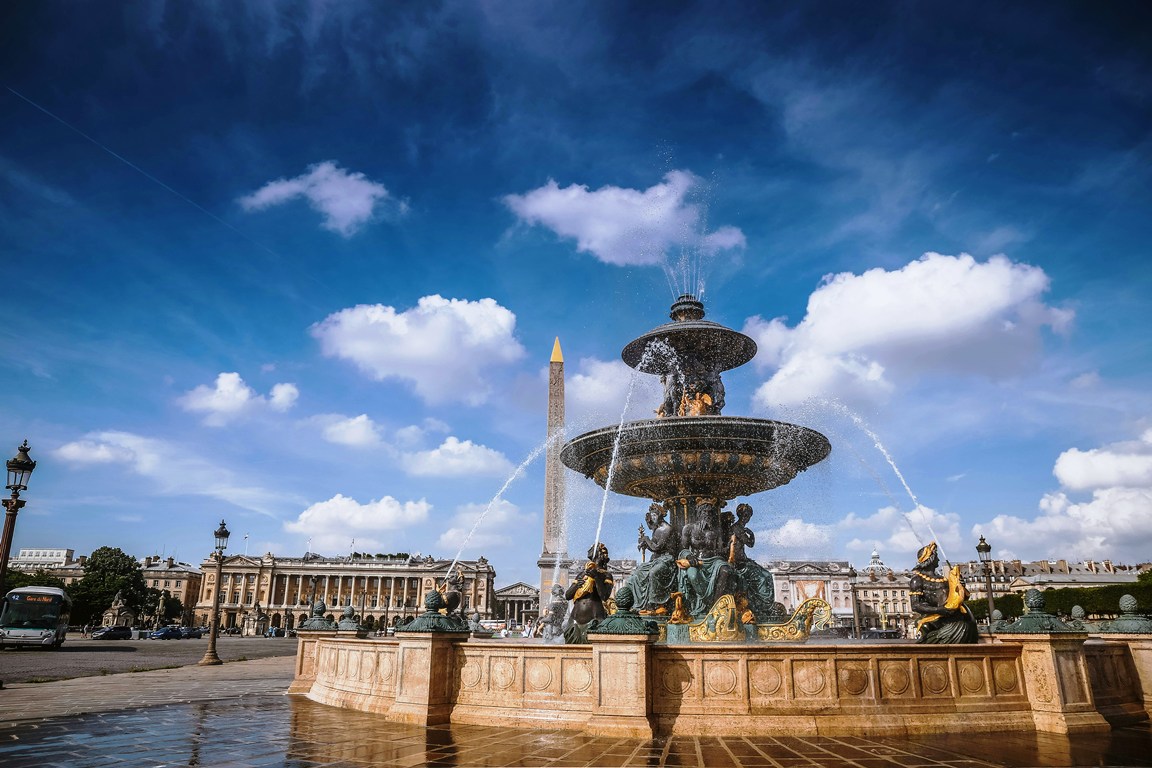
While the Champs-Élysées itself deserves hours of exploration, the surrounding area holds additional treasures. The Place de la Concorde, at the avenue’s eastern terminus, marks one of Paris’s most historic squares—including its role during the French Revolution. The Luxor Obelisk, gifted to France by Egypt in 1829, stands as a 3,300-year-old centerpiece.
The Tuileries Garden extends eastward toward the Louvre, offering tree-lined paths, ponds, and sculptures perfect for a picnic or peaceful walk. The nearby Musée de l’Orangerie houses Monet’s breathtaking “Water Lilies” series alongside other Impressionist masterpieces.
Though you can’t enter the Palais de l’Élysée (the French President’s official residence), walking past this important building connects you to contemporary French political life. Avenue Montaigne and Rue du Faubourg Saint-Honoré, parallel streets in the district, concentrate even more exclusive fashion boutiques, including Hermès and additional Dior locations.
Practical Considerations
The avenue welcomes visitors year-round, with each season offering distinct advantages. Spring and early fall provide pleasant weather for strolling, while summer brings longer days perfect for evening walks. Winter transforms the street into a festive wonderland, though temperatures drop considerably.
The Champs-Élysées is easily accessible via several Metro stations, making it convenient from anywhere in Paris. Most shops stay open later than typical Parisian retail hours, accommodating the constant flow of international visitors.
Recently, the city has committed to making the avenue more eco-friendly, adding new trees and plants to enhance its green credentials. This modernization respects the avenue’s historic character while adapting to contemporary environmental priorities.
If planning Paris feels scattered, the full Paris For You map is a simple way to keep everything in one place.
Why the Champs-Élysées Matters
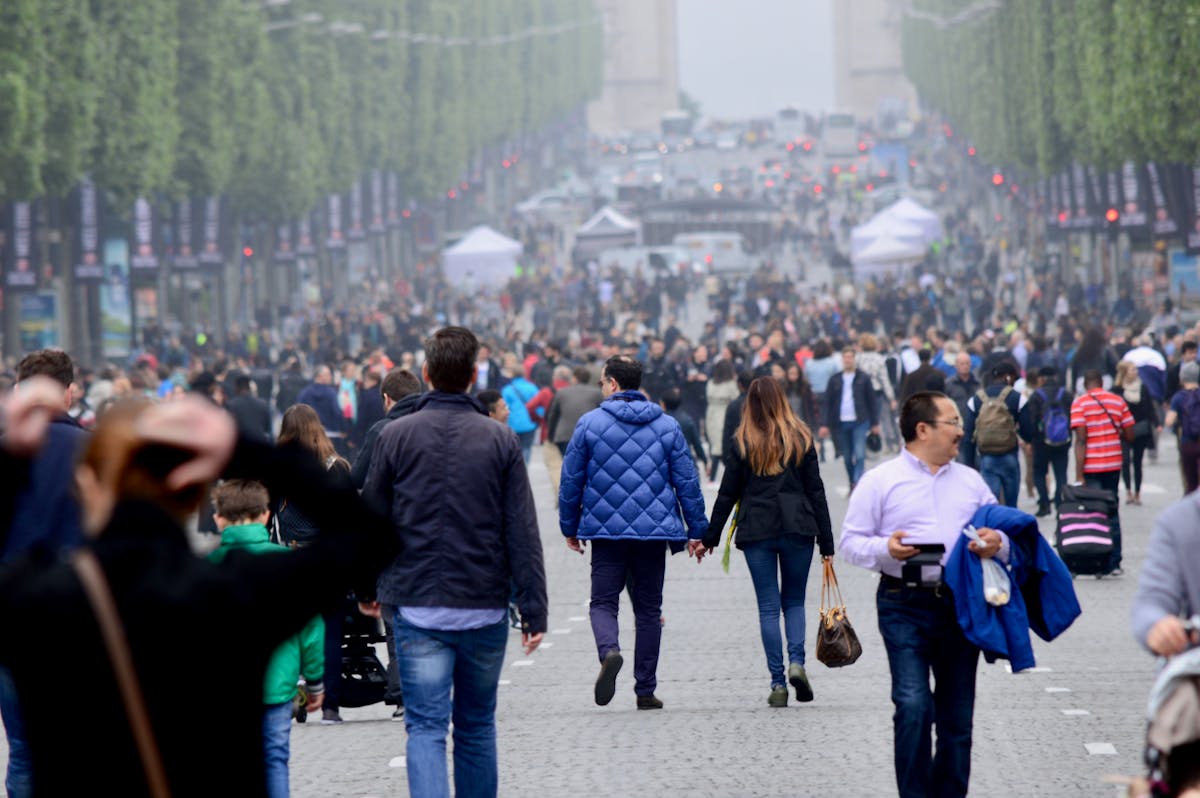
What makes this avenue truly special isn’t just its shops, monuments, or events—it’s how the Champs-Élysées embodies Paris itself. Here, you’ll find the careful balance between preservation and progress that defines French culture. The avenue honors its past while embracing the present, maintaining traditions like the Tour de France finish while adapting its infrastructure for sustainability.
Walking the Champs-Élysées connects you to centuries of Parisians who strolled these same paths—from aristocrats in the 1700s to revolutionaries in 1789 to the millions of modern visitors who recognize this boulevard as a symbol of human aspiration. Whether you’re climbing the Arc de Triomphe, browsing luxury boutiques, or simply sitting in the gardens watching the world pass by, you’re participating in a living tradition that continues to evolve.
The Champs-Élysées doesn’t demand reverence so much as it invites participation. It asks you to walk its length, discover your own favorite corners, and create your own memories against its storied backdrop. That invitation—extended to everyone who visits Paris—remains as relevant today as it was when André Le Nôtre first planted those elm trees more than three centuries ago.
Want to explore Paris with a clear plan?
Download the Paris For You app and use maps, routes and recommendations directly on your phone — even offline.
Download on Android
Download on iPhone